
30 minutes
A half-hour is enough for a proper, well-rounded session across many sports and workouts.
Overview
Thirty minutes is a comfortable amount of time for a rounded session. It's long enough for a proper warm-up, a solid block of activity and a short cool-down, whether that's a steady run or ride, a swim, a circuit of exercises or a game with friends.
A half-hour also gives you room to mix things up — some cardio one day, some strength or a skill-based sport another. Because it fits neatly into most days, a 30-minute slot is a realistic target to aim for a few times a week.
What works
- Half an hour fits a warm-up, a solid main session and a short cool-down.
- It suits both steady cardio and shorter, more intense efforts like intervals.
- Many sports and workouts scale neatly to a 30-minute session.
- It's a realistic, repeatable target that fits into most weekly routines.
Getting started
- 1Choose a mix over the week — for example some cardio, some strength and something you simply enjoy.
- 2Plan roughly how you'll use the time: a few minutes to warm up, the main block, then a short cool-down.
- 3Begin at a manageable effort and add a little intensity or distance as sessions feel easier.
- 4If you have a health condition or are new to exercise, consider checking with a doctor before starting.
Sports that fit
Great places to start — each with a clear, beginner-friendly guide.

Running
The most accessible endurance sport — no venue, just shoes and the open road or trail.
Cycling
A low-impact endurance sport that doubles as transport, exercise and adventure.

Swimming
A full-body, low-impact endurance sport suitable for almost every age and ability.
Fitness
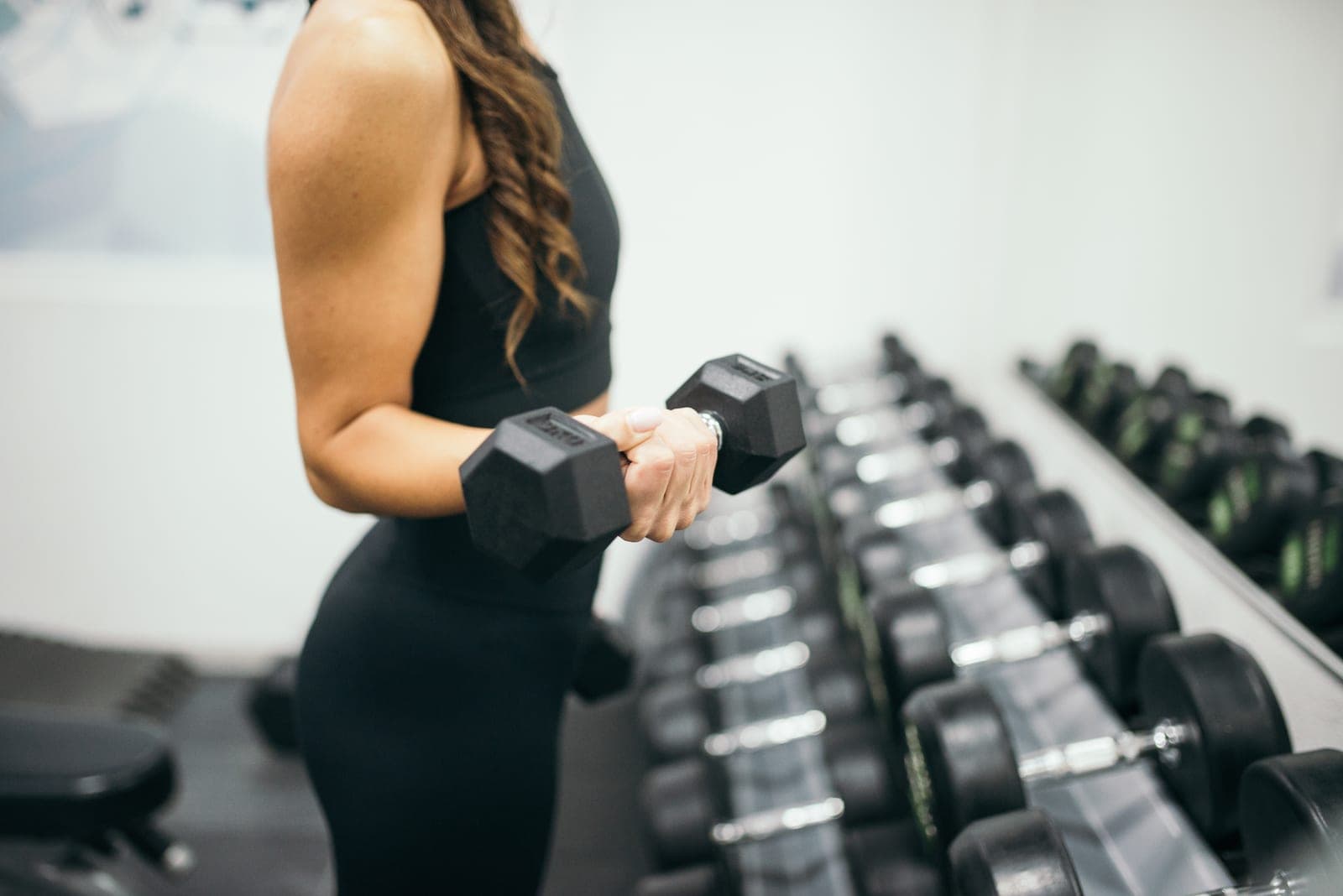
Strength and general fitness training — the foundation that supports every other sport.

HIIT
High-intensity interval training that alternates short bursts of hard effort with brief recovery.
Indoor Cycling
An energetic, low-impact studio workout on a stationary bike, guided by an instructor and music.
Goals that fit
Improve fitness
Build well-rounded fitness — stamina, strength and more — through regular, varied activity you can keep up.
Become more active
Add regular, gentle movement to your everyday life and build up from a sedentary start at your own pace.
Improve cardiovascular health
Regular activity is widely linked with supporting heart and circulatory health as part of a balanced routine.
Build healthy habits
Using sport and routine to make regular activity a lasting part of everyday life.
Ways to train
Exercises and methods that fit — educational, not a prescription.
Wall sit
A holding exercise where you sit against a wall with no chair, holding a squat position still.
Step-up
A movement where you step up onto a raised platform one leg at a time and step back down.
Kettlebell swing
A dynamic hinge where you swing a kettlebell to shoulder height using a snap of the hips.
Push-up
A classic upper-body pushing exercise where you lower and press your body up from the floor.
Tricep dip
A pushing exercise where you lower and raise your body using your arms on parallel bars or a bench.
Pull-up
A vertical pulling exercise where you hang from a bar and pull your chin above it.
Frequently asked questions
Is 30 minutes of exercise enough?
For many people a focused 30-minute session is a very useful amount of activity, especially done regularly. What counts as 'enough' depends on your goals and starting point, so it's best to treat this as general information and consider a professional for personalised guidance.
What can I do in a 30-minute workout?
Plenty — a steady run, bike ride or swim, a bodyweight or gym circuit, an interval session, or a game of a fast-paced sport all fit well into half an hour, including a warm-up and cool-down.
How many times a week should I do a 30-minute session?
That varies from person to person. A common approach is to spread sessions across the week with some rest days, building up gradually rather than doing too much too soon. For advice tailored to you, a coach or doctor is the right person to ask.
Explore across the knowledge base
Follow the threads that connect 30 minutes to the rest of SocialSportHub.
Training guides
- How to cool downA cool-down is a few easy minutes at the end of a session that let your effort taper off gradually before you stop.
- Choosing the right intensityChoosing the right intensity is about matching how hard a session feels to its purpose, so most training stays comfortable and sustainable.
- How to build a weekly routineBuilding a weekly routine means loosely planning your training across the week so effort and rest are spread out in a way you can sustain.
Training plans
- General Fitness WeekA balanced example week that mixes some cardio, a little strength and gentle mobility for well-rounded, all-round fitness.
- Beginner Full-Body WeekA general example of a simple full-body week that spreads a push, a pull, a lower-body movement and some core evenly across three unhurried sessions.
Practice & sessions
- Mobility sessionA session built around moving well through a range of motion — gentle, controlled work to help the body move freely.
- Decision-making sessionA session built around choosing well under pressure — reading the situation and picking the right option, not just executing a skill.
- Tactical sessionA session built around tactics — how you use space, position and patterns of play, rather than the mechanics of a shot.
People
- Busy professionalsHow time-efficient sport can fit a packed schedule to protect fitness, energy and stress relief.
- TravelersHow to stay active on the move with minimal-equipment sport that works almost anywhere.
- ParentsHow busy parents can fit sport around family life with flexible, home-friendly and time-efficient options.
How this page is maintained
- Content type
- For your day
- Provenance
- Tier A — evergreen educational
- Verified external sources
- 0
- Content updated
- 2026-07-09
Evergreen, first-party explanation — it makes no claim that needs an external source. How we handle sources and reviews.