
Adaptive equipment
Purpose-built or adjusted gear — from sport wheelchairs to sound-adapted balls — that helps make a sport accessible to play.
Overview
Adaptive equipment is gear that has been designed or adjusted so that a sport can be played by people with a disability. It ranges from familiar items used differently to purpose-built kit — think sport-specific wheelchairs, prosthetics made for running or cycling, balls that contain a bell so they can be heard, or grips and straps that help someone hold a racket or bat. The aim is to remove a barrier while keeping the sport itself intact.
Good equipment is matched to the person, the sport and the setting, and it often makes the difference between watching and taking part. Some kit is highly specialised and used mainly in competition; much of it, though, simply lets people enjoy everyday recreation. This is general educational information — for equipment suited to an individual, a qualified professional and the relevant sport's governing body are the right sources.
What to know
- Gear designed or adapted so a sport can be played by people with a disability.
- Ranges from small adjustments — grips, straps, sound-adapted balls — to purpose-built sport wheelchairs and prosthetics.
- It removes a barrier while keeping the sport recognisably itself.
- Equipment works best when matched to the person, the sport and the level of play.
- Some kit is competition-specific; much of it simply enables everyday recreation.
In practice
- Fit and setup matter as much as the item itself — the same chair or grip can feel very different once adjusted.
- Many clubs and facilities keep loan or 'come and try' equipment, so people can start without buying anything.
- Cost varies widely; specialist competition kit can be expensive, while entry-level adaptation is often simple.
- For equipment suited to a specific person or disability, ask a qualified professional and the sport's governing body.
Educational & inclusive
Related sports
Sports that connect to this topic — each with a clear, beginner-friendly guide.
Basketball
A fast, dynamic team sport of running, jumping and quick decisions on court.
Cycling
A low-impact endurance sport that doubles as transport, exercise and adventure.
Tennis
A singles or doubles racquet sport that blends agility, strategy and stamina on court.
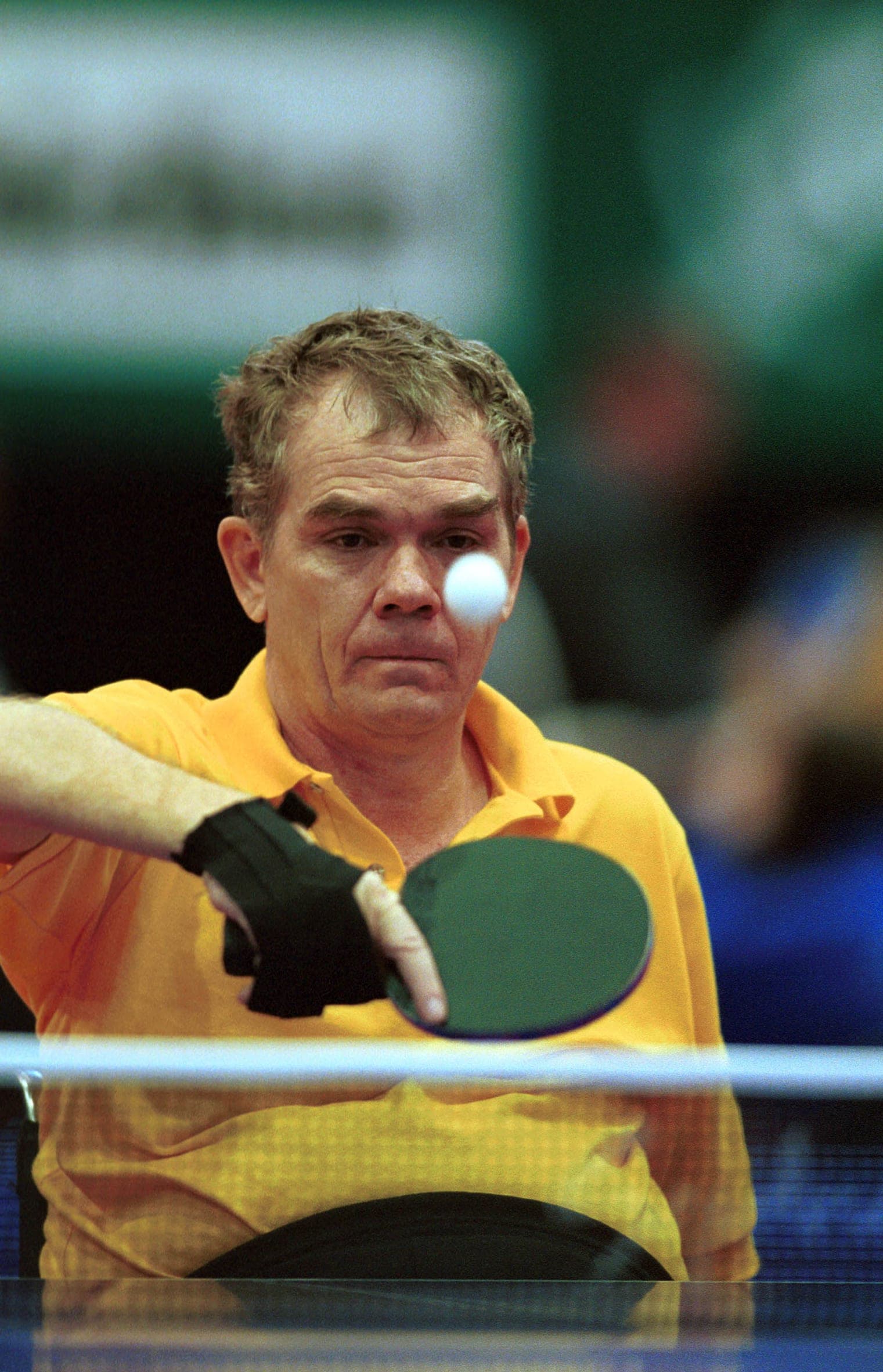
Table Tennis
A fast, low-impact indoor racquet sport that sharpens reflexes and is easy to start.
Goals it supports
Build an active lifestyle
Make movement a natural, lasting part of daily life through activities and habits you genuinely enjoy.
Become more active
Add regular, gentle movement to your everyday life and build up from a sedentary start at your own pace.
Improve mobility
Move your joints more freely and comfortably through their natural range with regular, gentle practice.
Build confidence
Use sport and steady progress to feel more capable, comfortable and self-assured over time.
Frequently asked questions
What is adaptive sports equipment?
It is gear designed or adjusted so that a sport can be played by people with a disability — for example a sport wheelchair, a running prosthetic, or a ball that can be heard. It removes a barrier while keeping the sport itself the same. For kit suited to a specific person, a qualified professional and the sport's governing body are the right sources.
Do I need to buy special equipment to start?
Often not — many clubs and inclusive facilities offer loan or 'come and try' equipment so you can take part before investing in anything. Entry-level adaptation can be as simple as a grip or strap. A club or the sport's governing body can advise on what a particular activity needs.
Explore across the knowledge base
Follow the threads that connect Adaptive equipment to the rest of SocialSportHub.
Lifestyle
Knowledge Atlas
Sport categories
Training guides
- Bodyweight training basicsBodyweight training uses your own body as resistance, making it a simple and accessible way to build strength almost anywhere.
- Choosing the right intensityChoosing the right intensity is about matching how hard a session feels to its purpose, so most training stays comfortable and sustainable.
How this page is maintained
- Content type
- Adaptive sports topic
- Provenance
- Tier A — evergreen educational
- Verified external sources
- 0
- Content updated
- 2026-07-09
Evergreen, first-party explanation — it makes no claim that needs an external source. How we handle sources and reviews.