
Stand-Up Paddleboarding
Stand tall and glide across calm water

Overview
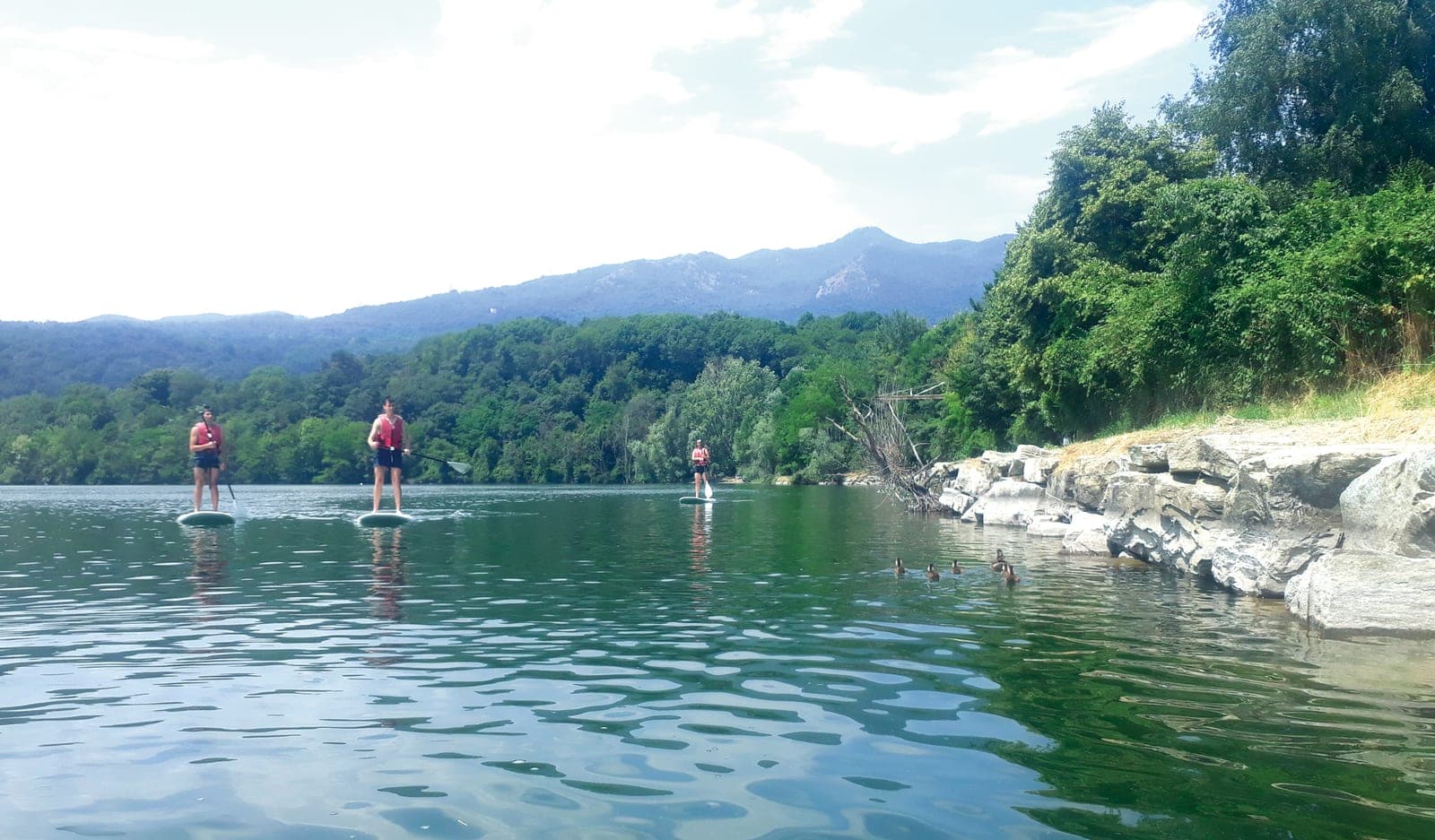
Stand-up paddleboarding (SUP) has you standing on a wide, buoyant board and moving across the water with a long single-bladed paddle. The stable board and gentle pace make it one of the easiest ways onto the water, and flat, sheltered lakes and calm coast are ideal places to begin.
It scales naturally as your confidence grows, from a relaxed cruise to longer touring paddles or riding small waves. Because you are constantly making small adjustments to stay balanced, even a gentle outing quietly works the whole body while feeling calm and unhurried.
Why stand-up paddleboarding is good for your health
- Constant small balance corrections engage the core and legs
- Paddling strengthens the shoulders, back and arms
- Steady effort supports cardiovascular fitness
- A low-impact activity that stays gentle on the joints
The social side
- Easy, conversational pace suits sociable group paddles
- Watersports centres and clubs run welcoming beginner sessions
- Boards are simple to share and explore new spots together
How to start as a beginner
- 1Start on flat, sheltered water with a wide, stable board
- 2Kneel first to get a feel for the board, then rise to standing
- 3Take an introductory session to learn an efficient paddle stroke
- 4Always wear a buoyancy aid, use a leash and check the wind before setting out
Equipment you’ll need
- PaddleboardEssentialA wide, stable inflatable or hard board suits beginners and is often available to hire
- PaddleEssentialAdjustable to roughly your standing height
- Buoyancy aidEssentialA correctly fitted personal flotation device
- LeashOptionalKeeps the board close if you fall in
- Quick-drying clothing or wetsuitOptionalDepending on water temperature
Where to play
Stand-Up Paddleboarding is typically played at:
Explore clubs and venues to understand the different places you can play, or see how to find people to play with.
Playing Stand-Up Paddleboarding
The equipment, rules, skills and more that make up the game — each cross-linked into the encyclopedia.
Related sports to explore
If you enjoy Stand-Up Paddleboarding, you might also like these.
Kayaking
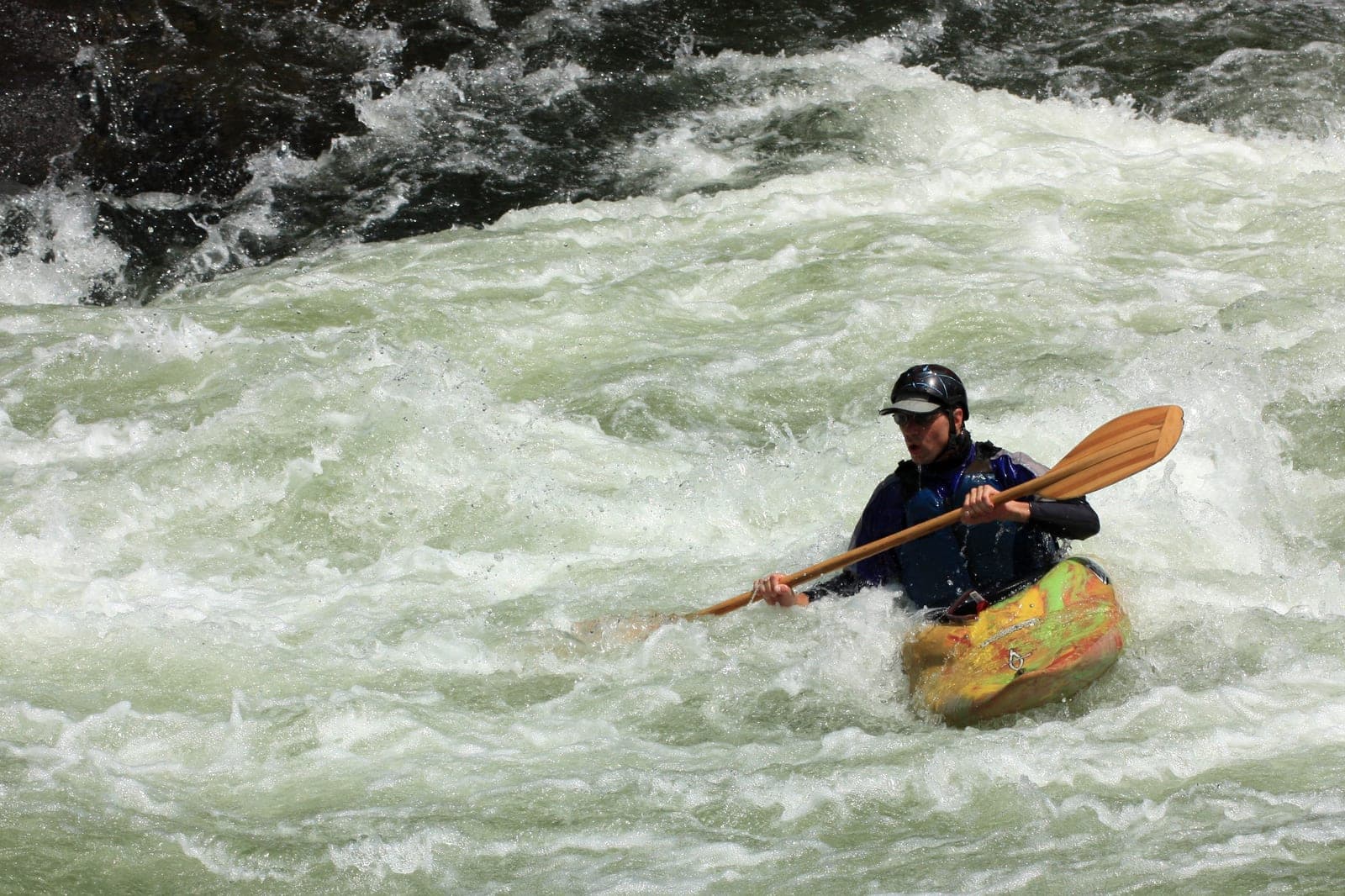
A versatile paddle sport in a small, low-seated boat, from calm lakes to flowing rivers and sheltered coast.
Surfing
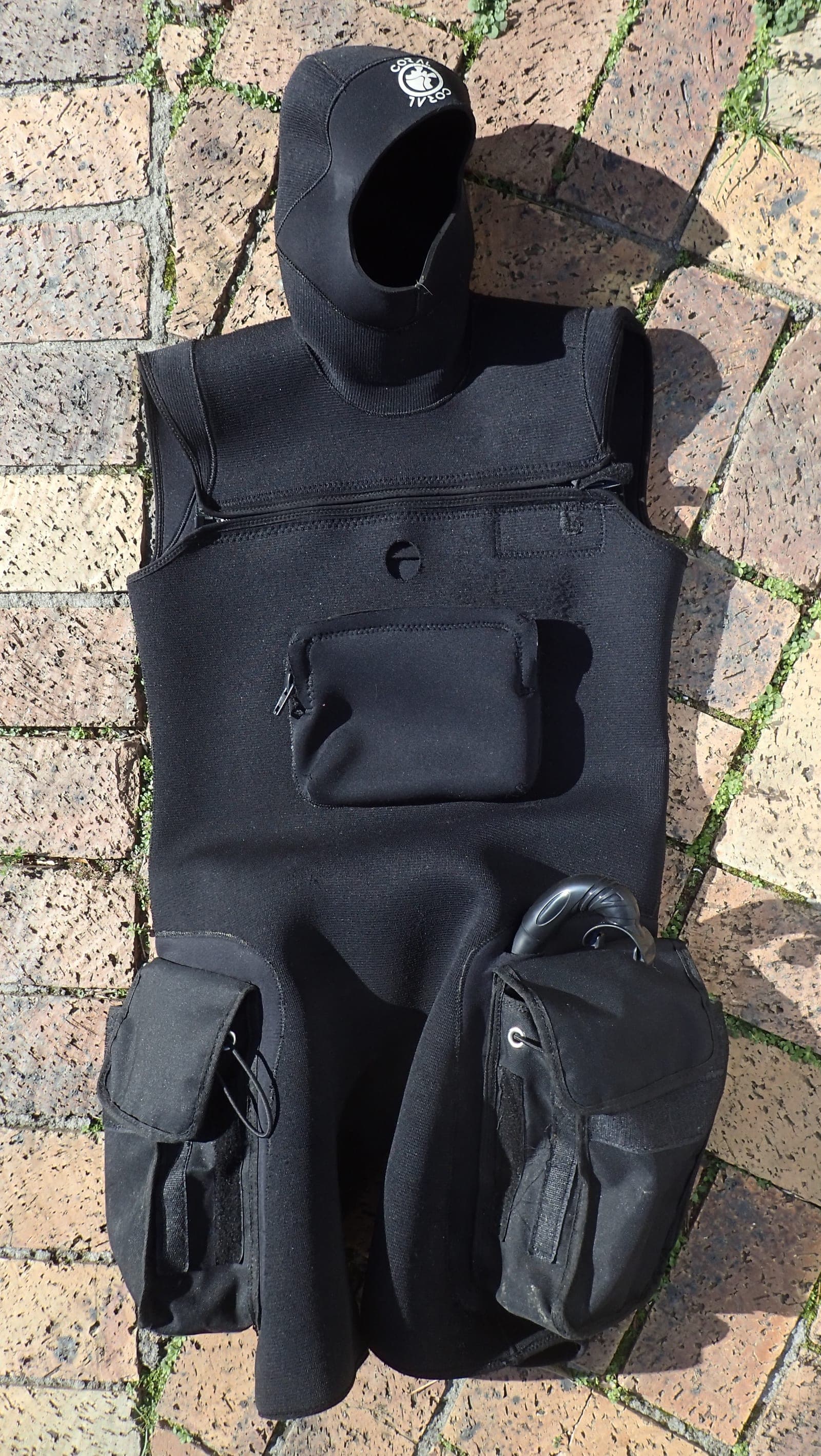
An ocean board sport of paddling into waves and riding them toward shore, balancing skill and reading the sea.
Canoeing
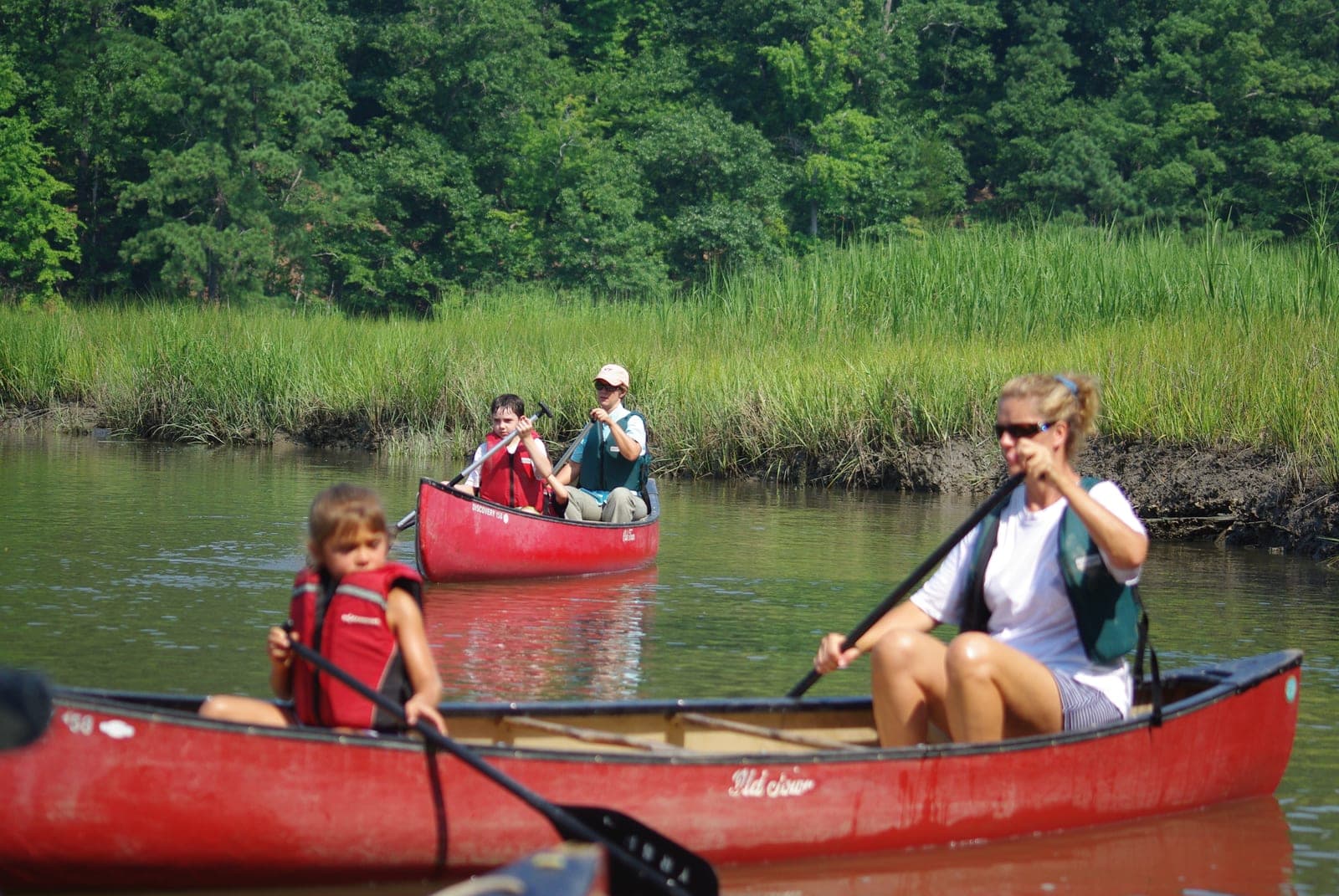
A classic open-boat paddle sport, propelled with a single-bladed paddle, ideal for calm lakes and gentle rivers.
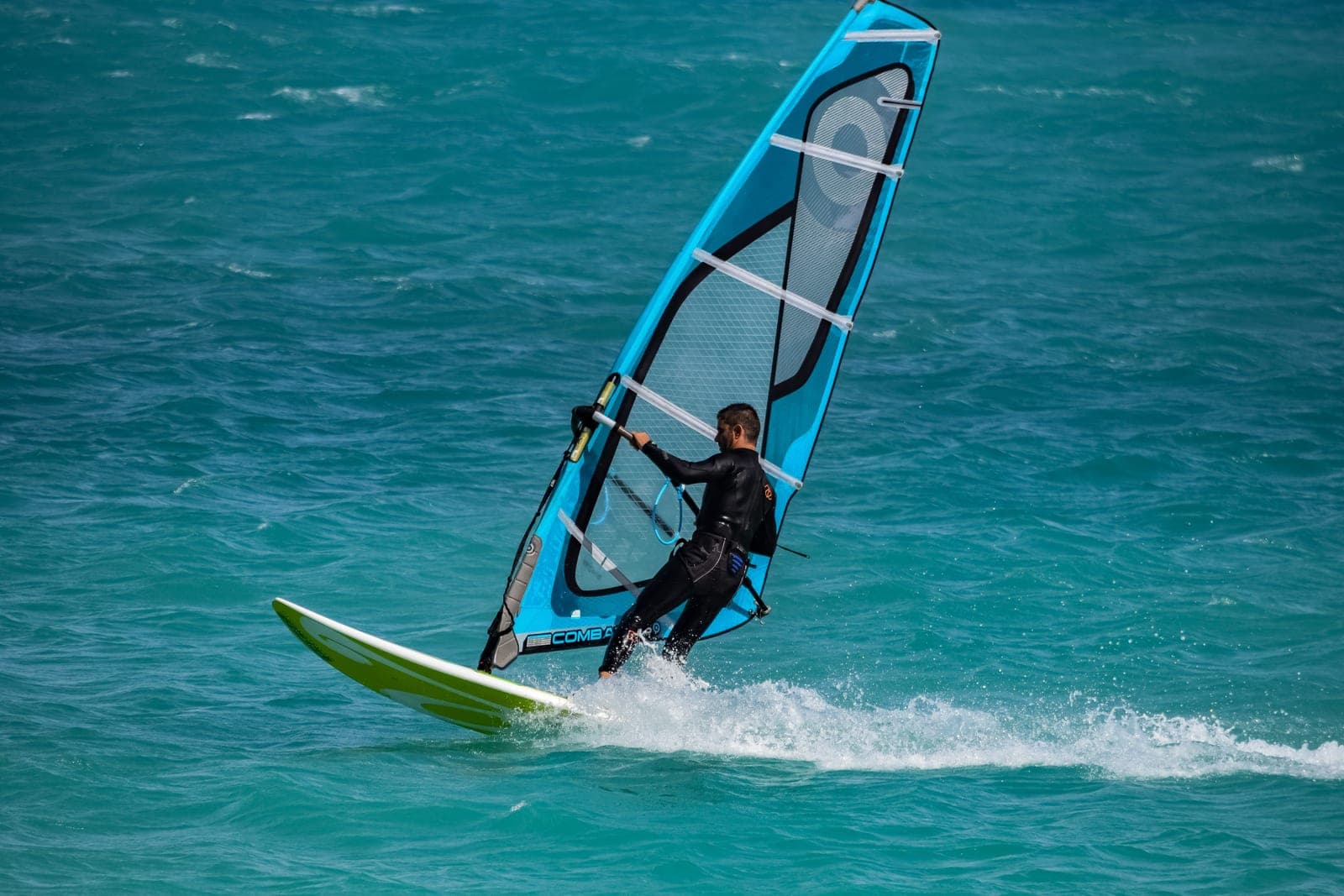
Windsurfing
A board sport with a wind-powered sail attached, blending balance and sail control to glide across the water.
Compare Stand-Up Paddleboarding with…
Deciding between Stand-Up Paddleboarding and something similar? See how they line up side by side.
Canoeing vs Stand-Up Paddleboarding
How they compare on difficulty, intensity, kit and what suits you.
Kayaking vs Stand-Up Paddleboarding
How they compare on difficulty, intensity, kit and what suits you.
Kitesurfing vs Stand-Up Paddleboarding
How they compare on difficulty, intensity, kit and what suits you.
Stand-Up Paddleboarding vs Surfing
How they compare on difficulty, intensity, kit and what suits you.
Stand-Up Paddleboarding vs Windsurfing
How they compare on difficulty, intensity, kit and what suits you.
Reach your goals with Stand-Up Paddleboarding
People take up Stand-Up Paddleboarding for all kinds of reasons. Here is what it can help you work towards.
Who & where Stand-Up Paddleboarding fits
Sport should fit your life. Here is who Stand-Up Paddleboarding suits and when it works.
How it connects
The meaning-bearing relationships that place Stand-Up Paddleboarding in the wider knowledge graph — each one with the reason it exists.
Alternative to
Comparable enough that people choose between them.
- CanoeingStand-Up Paddleboarding and Canoeing are close enough that the platform maintains a side-by-side comparison of them.
- KayakingStand-Up Paddleboarding and Kayaking are close enough that the platform maintains a side-by-side comparison of them.
- KitesurfingStand-Up Paddleboarding and Kitesurfing are close enough that the platform maintains a side-by-side comparison of them.
- SurfingStand-Up Paddleboarding and Surfing are close enough that the platform maintains a side-by-side comparison of them.
- WindsurfingStand-Up Paddleboarding and Windsurfing are close enough that the platform maintains a side-by-side comparison of them.
Explore across the knowledge base
Follow the threads that connect Stand-Up Paddleboarding to the rest of SocialSportHub.
Recommendations
- Recommended for “Improve balance”Sports, qualities, a learning path and first steps for “Improve balance” — every suggestion a real graph link, shown with its reason.
- Recommended for “Spend more time on the water”Sports, qualities, a learning path and first steps for “Spend more time on the water” — every suggestion a real graph link, shown with its reason.
Glossary
Go deeper with Stand-Up Paddleboarding
Everywhere else on the platform that covers Stand-Up Paddleboarding — assembled from what actually references it, so nothing here is a dead end.
Compare it
Head-to-head studies against the entities people actually weigh it against.
- Stand-Up Paddleboarding vs CanoeingSide by side on the qualities that differ.
- Stand-Up Paddleboarding vs KayakingSide by side on the qualities that differ.
- Stand-Up Paddleboarding vs KitesurfingSide by side on the qualities that differ.
- Stand-Up Paddleboarding vs SurfingSide by side on the qualities that differ.
- Stand-Up Paddleboarding vs WindsurfingSide by side on the qualities that differ.
Kit it out
Equipment guidance drawn from the graph, with no brands and no affiliate links.
Take it away
Open data and the whole-platform view of this subject.
How this page is maintained
- Content type
- Sport
- Provenance
- Tier A — evergreen educational
- Verified external sources
- 0
- Content updated
- 2026-07-06
Evergreen, first-party explanation — it makes no claim that needs an external source. How we handle sources and reviews.
Keep going
A sport is most rewarding alongside good habits, sensible nutrition and people to share it with. Here is where to go next.
How movement supports body and mind.
Eat well to feel and perform better.
Build routines that stick.
Ways to meet others and play together.
Where to play and what to expect.
Browse the full list by category.