
How fitness progress is tracked
General fitness has no formal scoring, so progress is tracked through measurable markers such as repetitions, load, time, distance and personal bests.
Overview
Unlike a match sport, general fitness training is not scored against an opponent, so "progress" replaces "points". Improvement is judged by tracking simple, repeatable measures over time and looking for them to trend in the desired direction.
Common markers include how much weight is lifted, how many repetitions are completed, how long an effort is held, and how far or how fast a distance is covered. Recording these over weeks makes progress visible and turns training into something measurable rather than a matter of feeling.
How it works
- Fitness is not scored against an opponent; the measure is personal progress over time.
- Strength work is commonly tracked by the load lifted and the number of repetitions and sets completed.
- Endurance work is tracked by distance, time and pace.
- Recording sessions lets you compare against previous efforts and personal bests.
- Steadily increasing one of these markers over time is a simple sign of progress.
Where it’s used
Sports that use how fitness progress is tracked:

Fitness
Strength and general fitness training — the foundation that supports every other sport.
Weightlifting
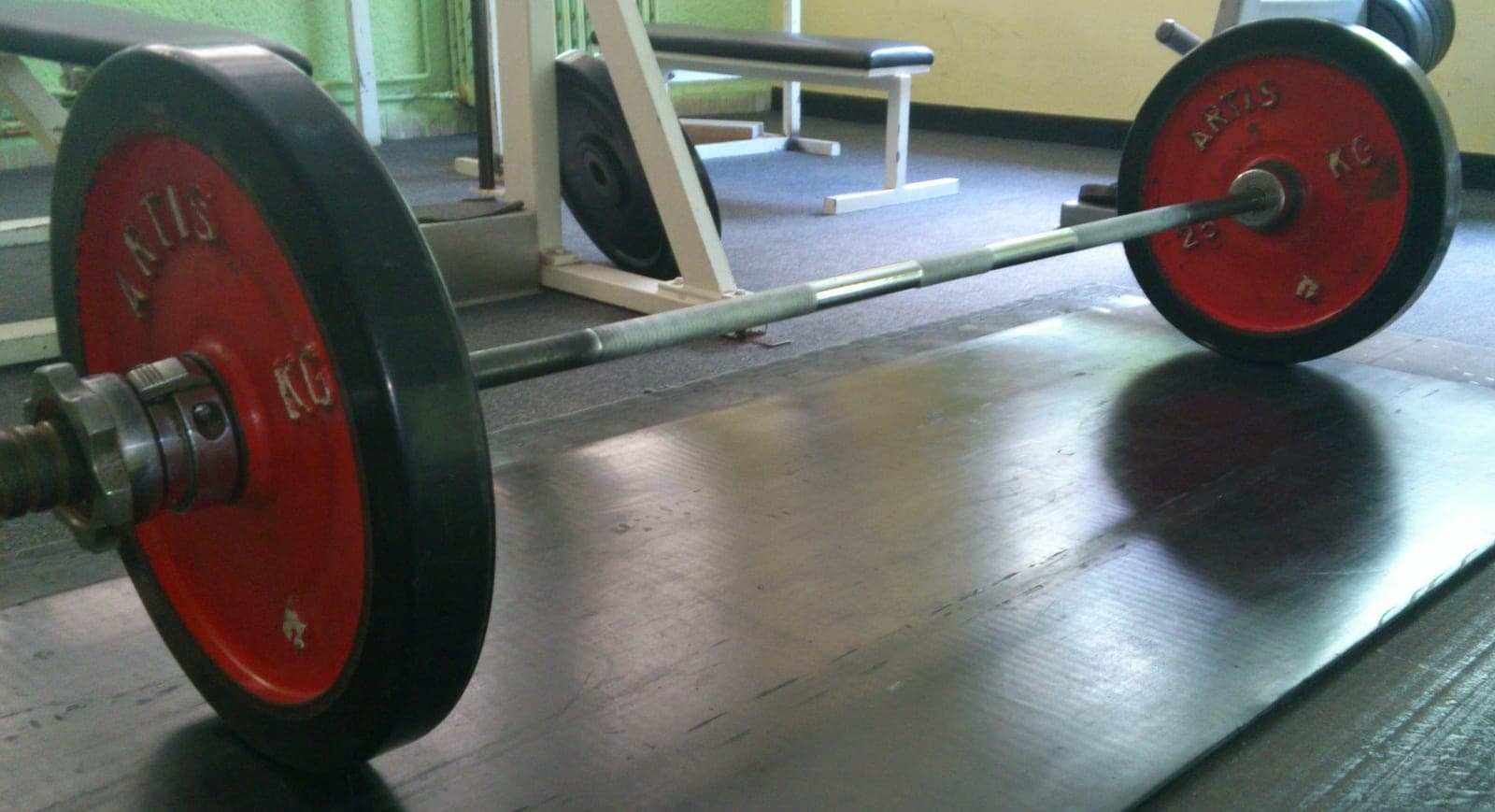
A technical strength sport built around lifting a loaded barbell overhead with speed and control.
Functional Fitness
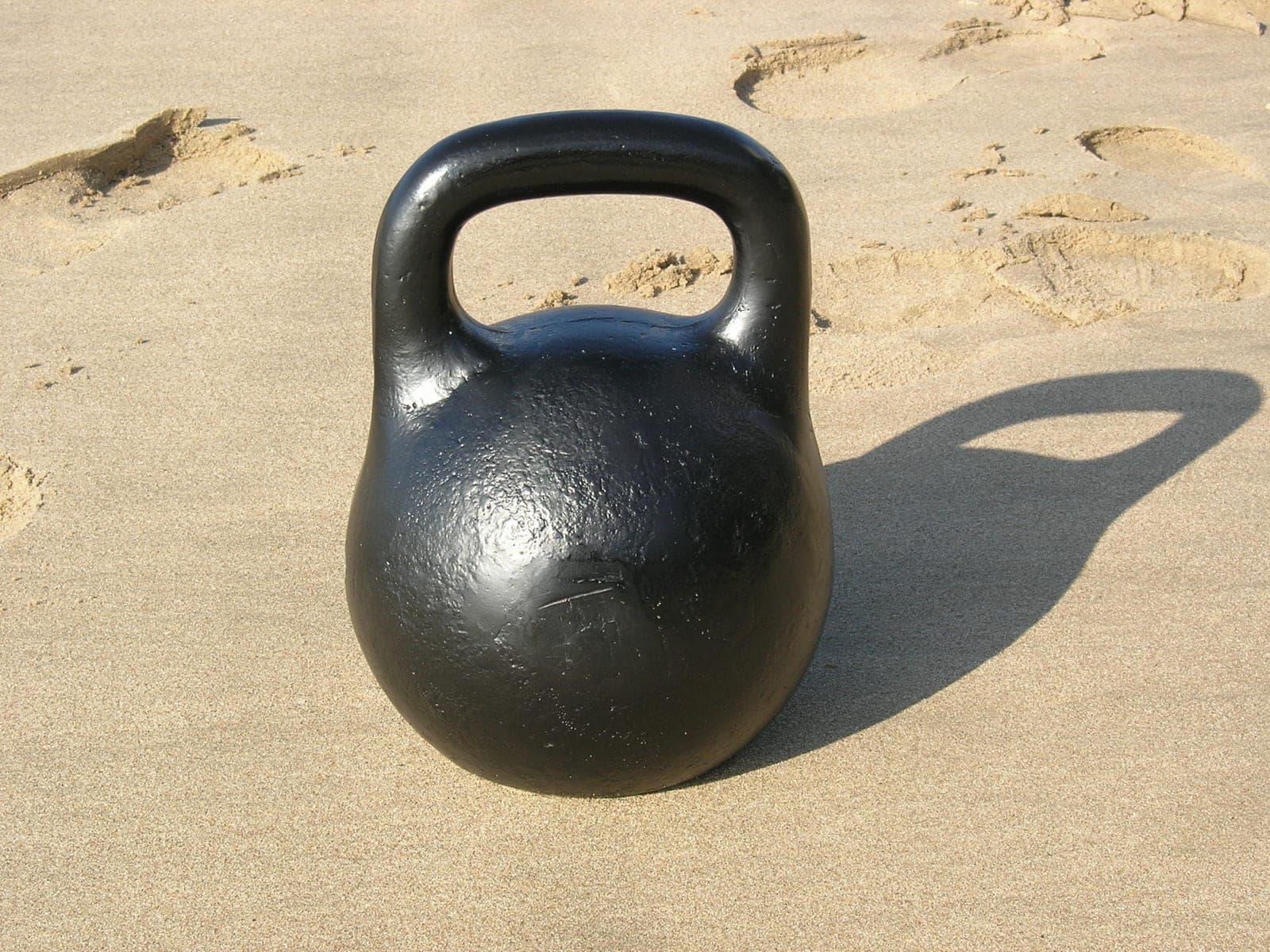
Varied, whole-body training built around everyday movement patterns like squatting, lifting and carrying.
Calisthenics
Bodyweight strength training — push-ups, pull-ups, dips and progressions you can do almost anywhere.
Explore across the knowledge base
Follow the threads that connect How fitness progress is tracked to the rest of SocialSportHub.
Training guides
Motivations
- For a personal challengeWhen you play to set and reach goals, sports with visible progress and clear milestones give you something concrete to work towards.
- To get better at my sportWhen you already play and want to improve, structured practice, coaching concepts and targeted training turn effort into measurable progress.
Sport categories
How this page is maintained
- Content type
- Scoring system
- Provenance
- Tier A — evergreen educational
- Verified external sources
- 0
- Content updated
- 2026-09-12
Evergreen, first-party explanation — it makes no claim that needs an external source. How we handle sources and reviews.