Analysis
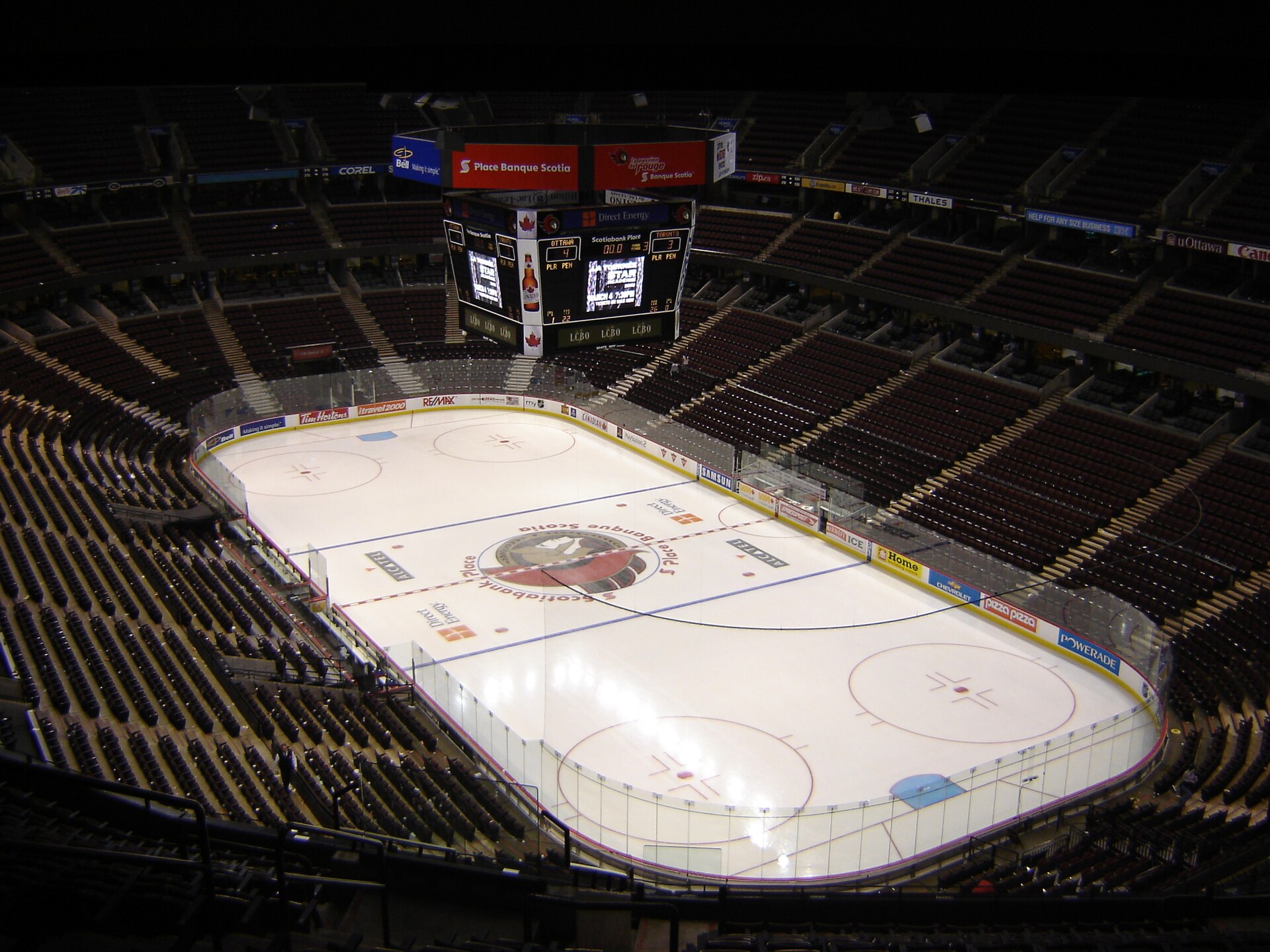
Ice is not a neutral surface
A rink is manufactured to a specification — a temperature, a hardness, sometimes a deliberate texture. Every one of those settings is a decision, and each of them changes the sport played on top of it.
Everything published in SocialSportHub Journal, newest first.
10 stories

Analysis
A rink is manufactured to a specification — a temperature, a hardness, sometimes a deliberate texture. Every one of those settings is a decision, and each of them changes the sport played on top of it.

Analysis
How a sport counts is not bookkeeping. It decides whether a disaster is survivable, whether a lead can be defended by running down a clock, and whether a match may end level at all — and football, tennis and volleyball each answered differently.

Explainers
Between the pelvis and the upper arm, measured rotation speed climbs more than fivefold. That escalation, not the arm at the end of it, is where a fast serve comes from.

Explainers
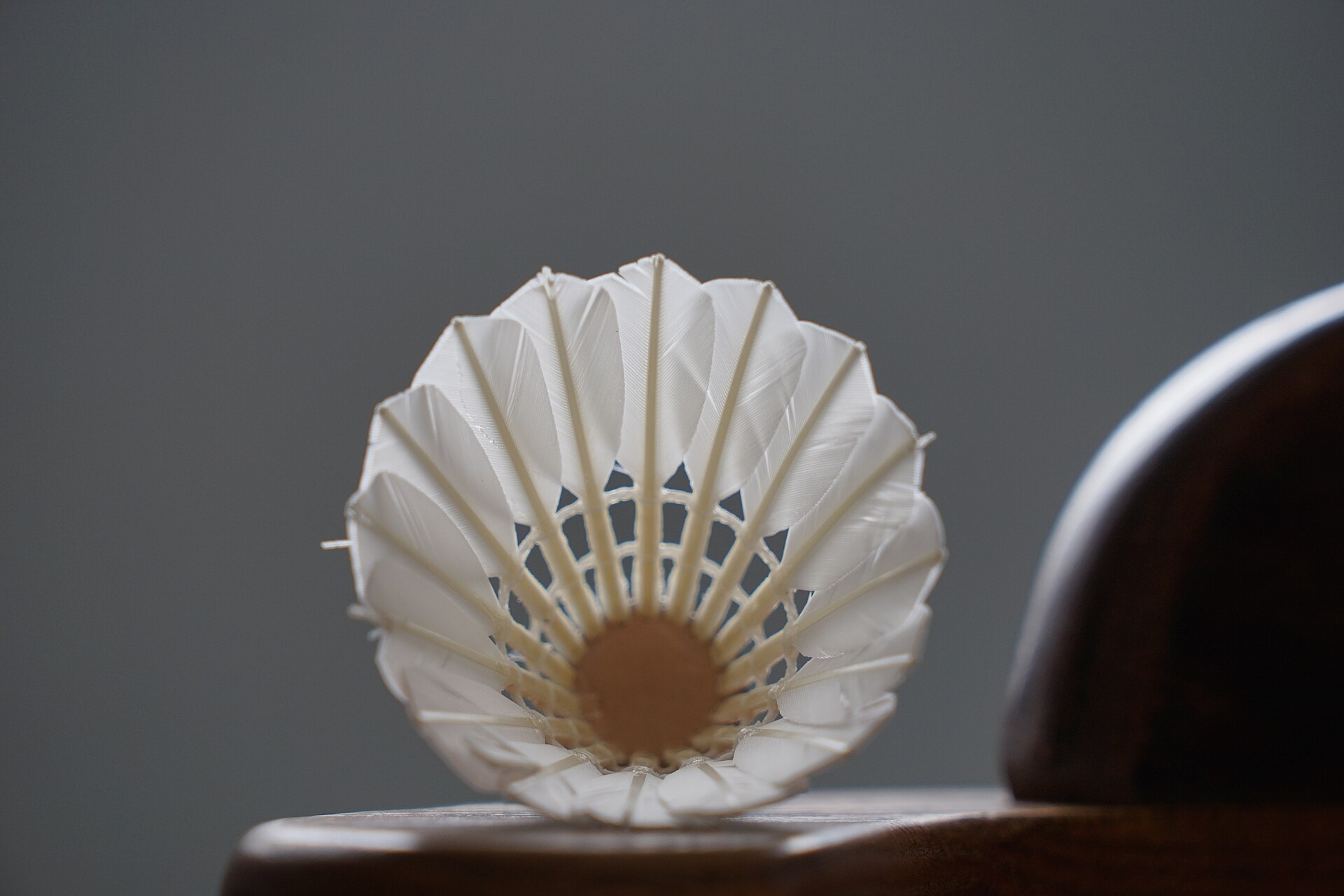
A fencer's lunge and a badminton retrieval are the same shape used for opposite purposes. Sport's variety is a set of recombinations of one short list of human movements — and the list is what makes transfer between sports legible.

Explainers
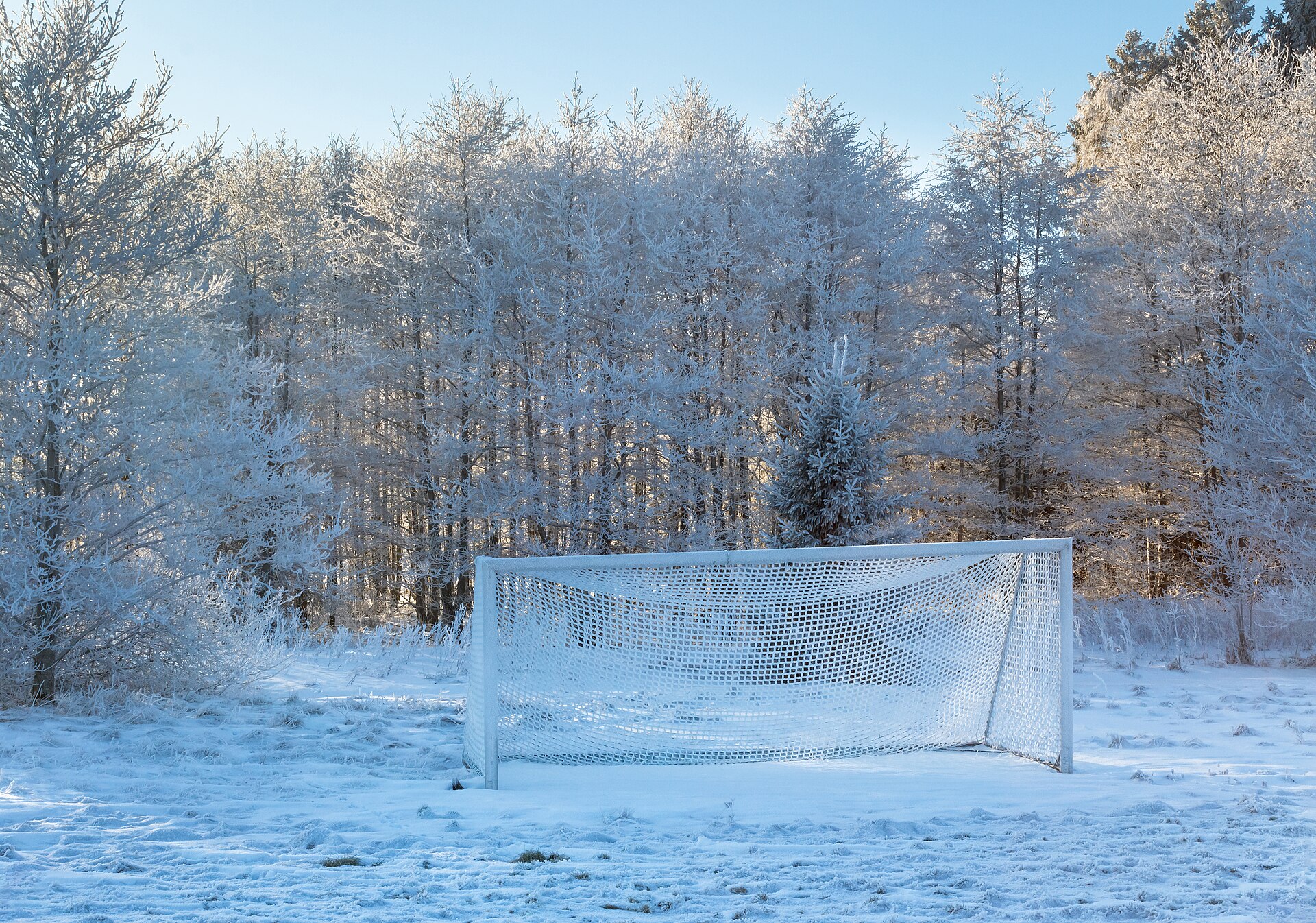
Law 11 does not tidy up football's edges. It removes the shortest route to goal — and the flat back line, the trap, the press and the timed run are all downstream of that one choice.

Features
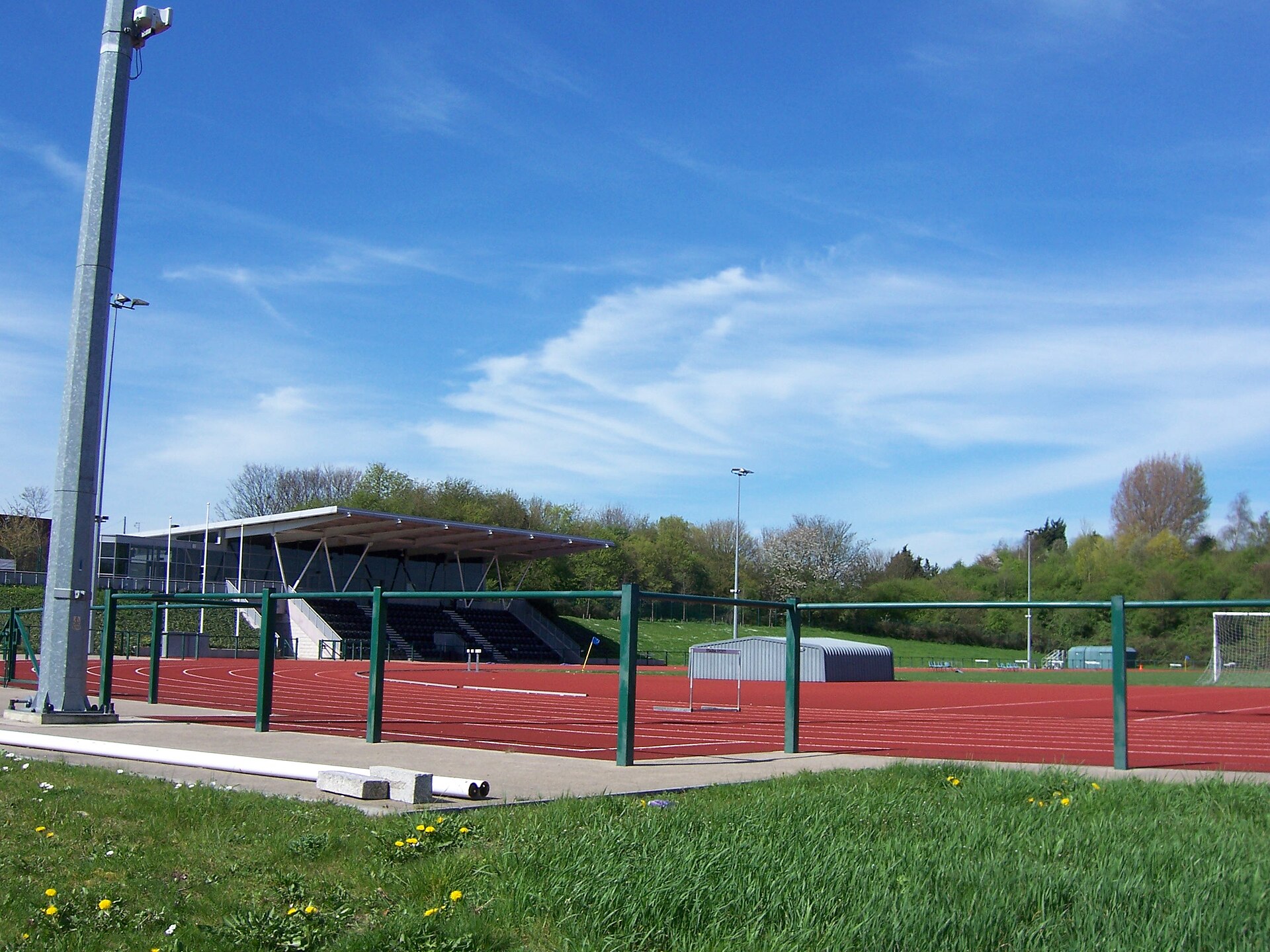
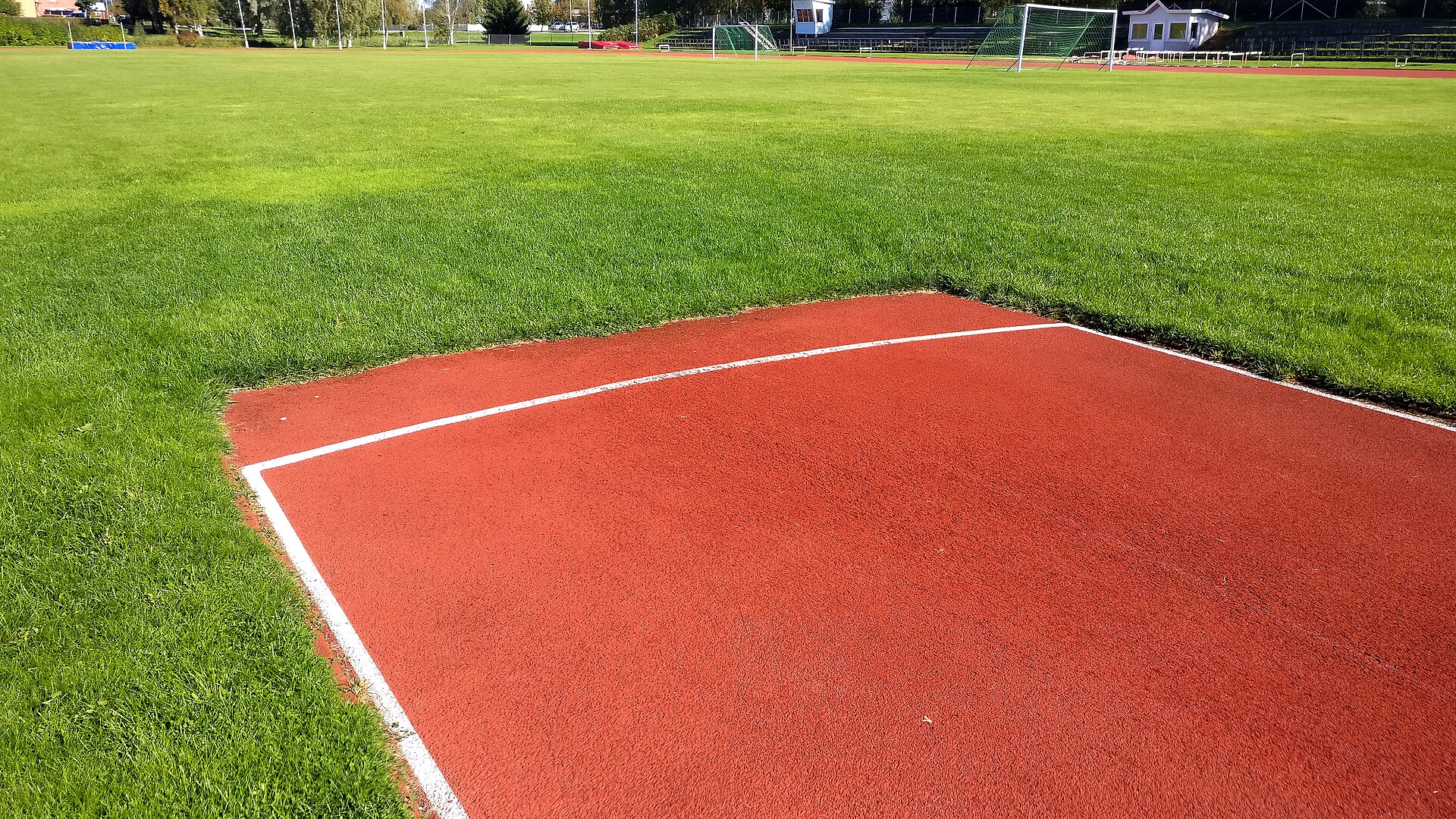
A track is specified by how much force it swallows and how far it sinks, not by how well it grips. Both numbers have an upper bound as well as a lower one, and that is the whole design problem: a surface springy enough to give energy back is soft enough to waste it.

Features
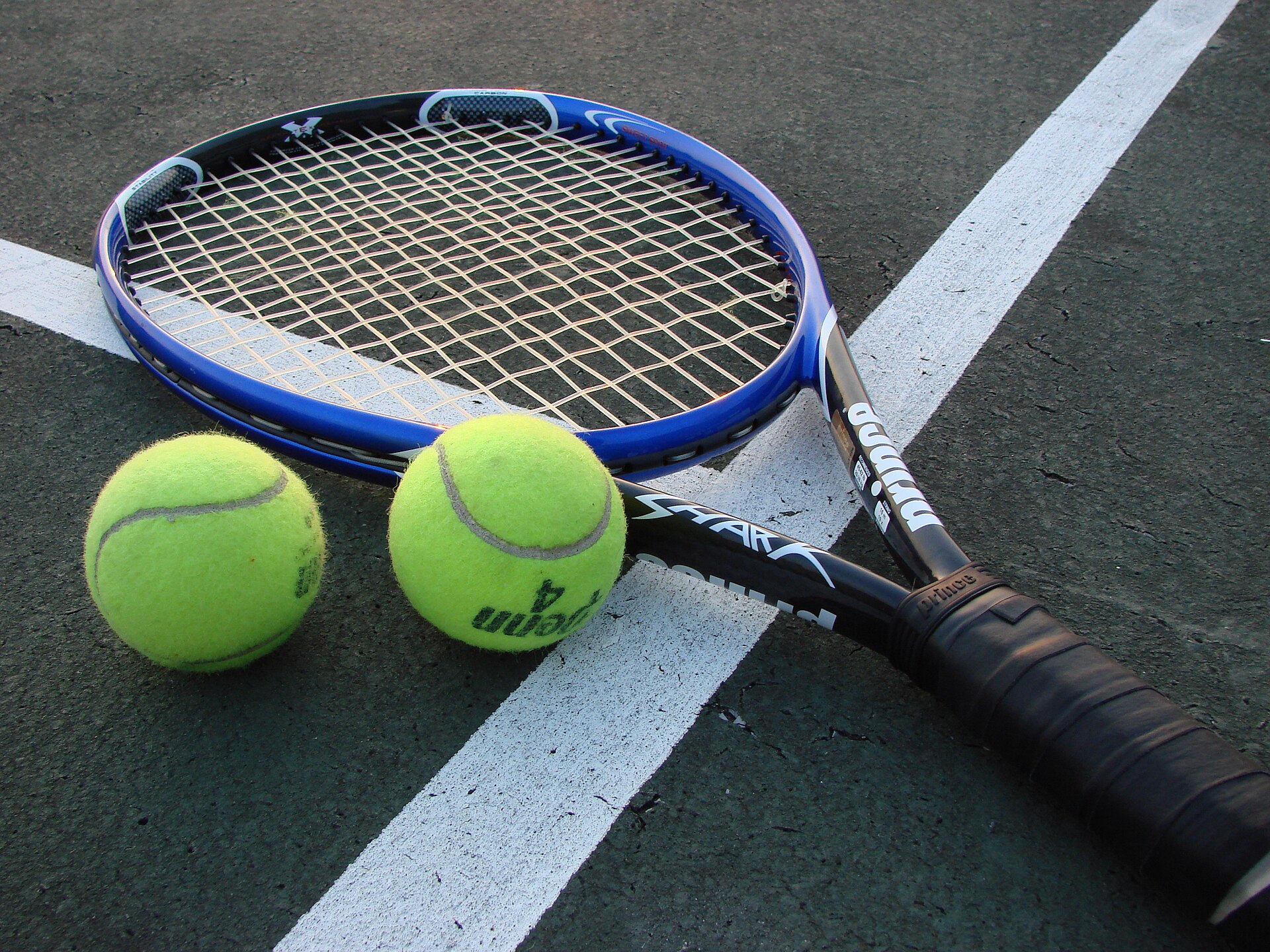
Wood set the limits of a tennis frame more strictly than any rulebook did. When composites removed them, head size, stiffness and string-bed behaviour all moved at once — and the two-handed topspin backhand became the cheaper answer.

Features
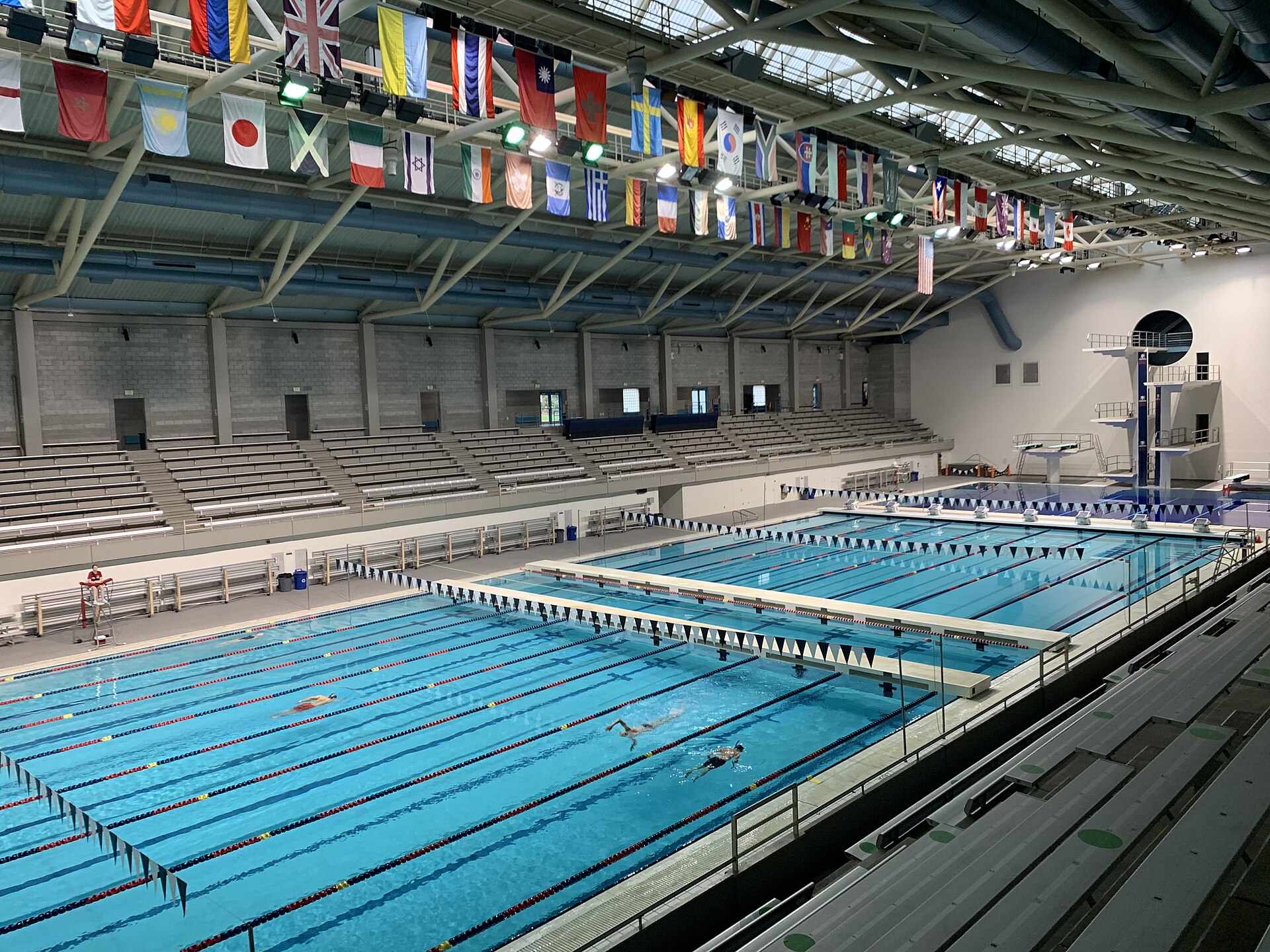
A competition pool has one hydraulic job: to take back the energy eight swimmers pour into it and not give any of it back. Depth, lane ropes, lane width and the gutter are four different exits for the same waves.

Analysis
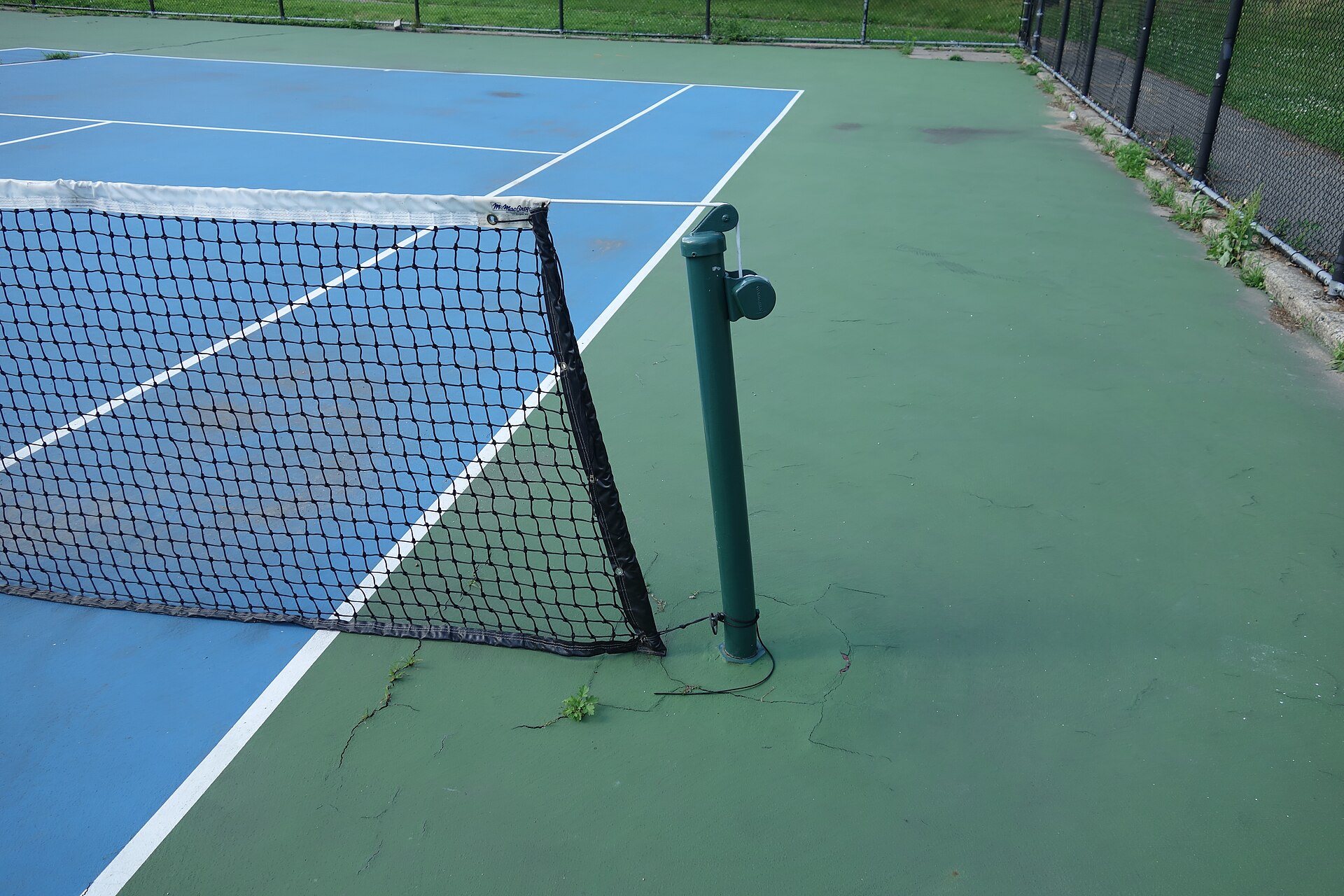
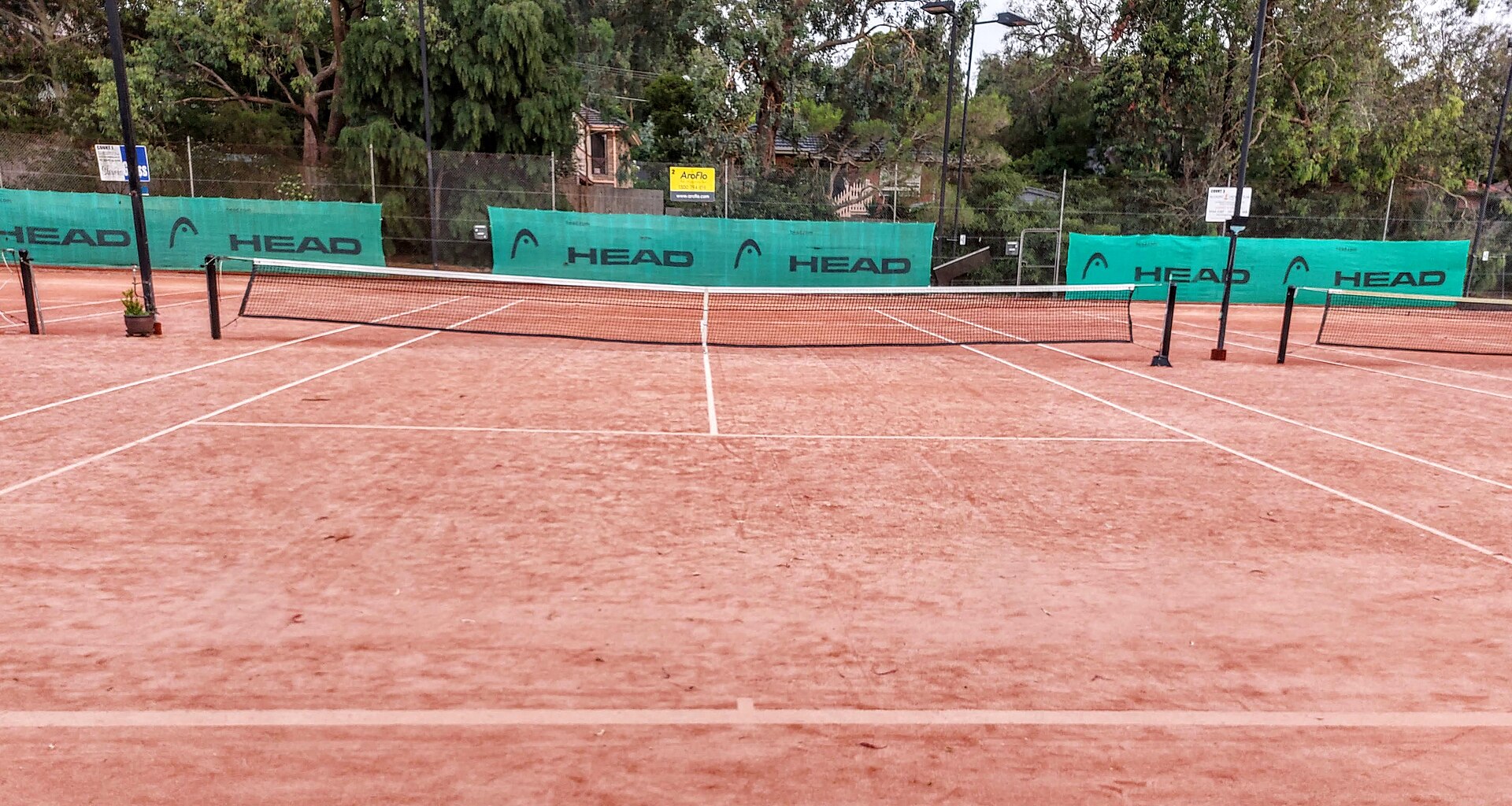
The ITF's surface table separates clay from every hard court with a single word: unbound. A few millimetres of loose grit over a deep compacted base is the whole difference — and it rewrites which shots and which footwork are worth having.

Features
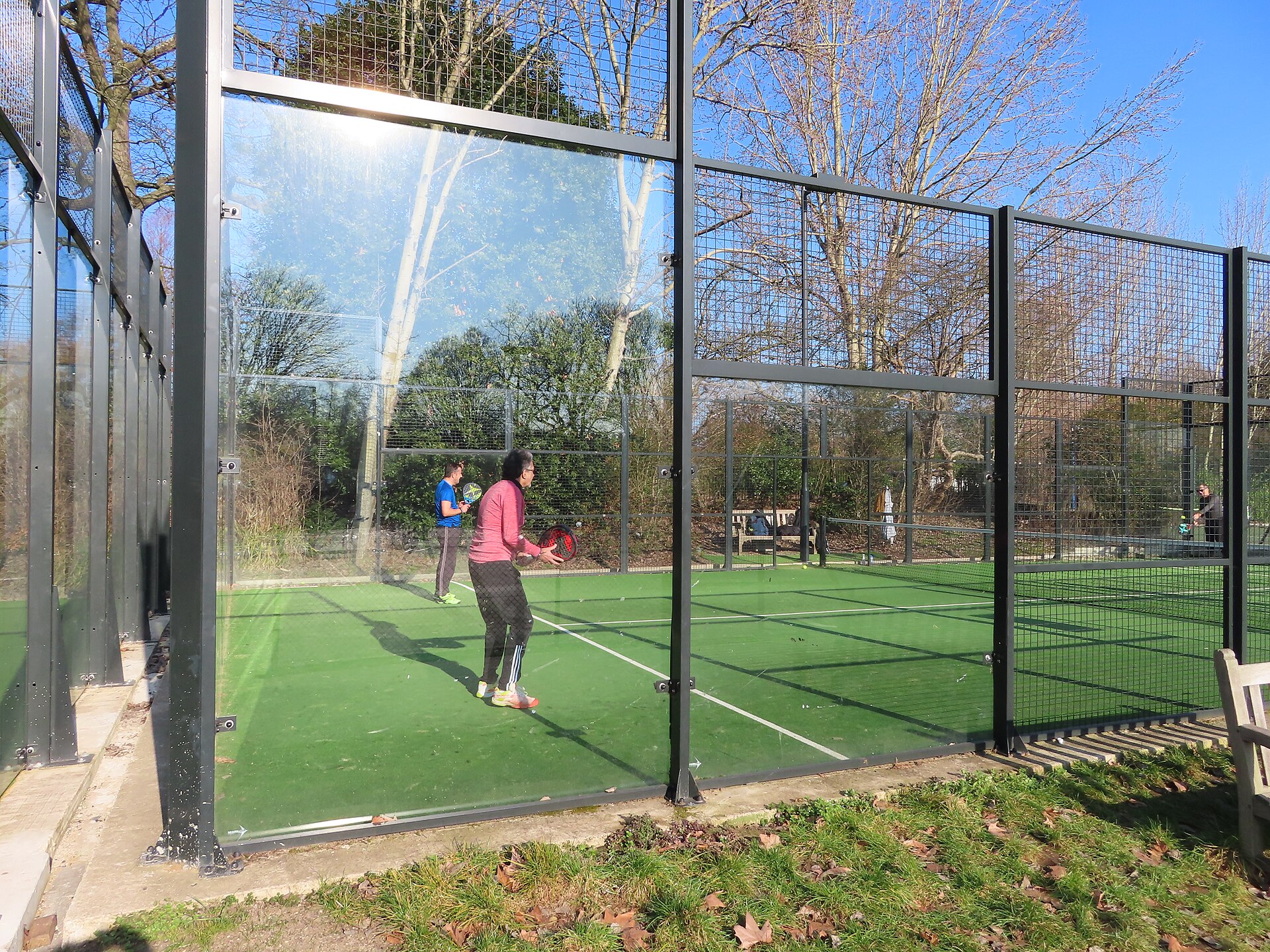
A padel ball and a tennis ball are almost the same object. The ground they are hit on is not — because two of these sports decided that a boundary should return the ball instead of ending the point.