
VO2 Max
VO2 max is the maximum rate at which a person can take in and use oxygen during intense exercise, a key measure of aerobic capacity.
VO2 max stands for maximal oxygen uptake.
Definition
VO2 max is the highest rate at which the body can consume oxygen during progressively harder exercise, usually expressed in millilitres of oxygen per kilogram of body weight per minute. It reflects the combined capacity of the heart, lungs, blood, and muscles to deliver and use oxygen, and is treated as a benchmark of aerobic fitness. It can be measured directly in a laboratory using expired-gas analysis, or estimated from field tests and wearable data.
In training, 'VO2 max intervals' are hard efforts performed near this ceiling to stress and improve oxygen uptake. VO2 max is related to but distinct from the lactate threshold: the former is a maximal capacity, while the latter describes the intensity an athlete can sustain. Genetics, training history, and altitude all influence the value.
Where you’ll hear “vo2 max”
Sports that use this term:

Running
The most accessible endurance sport — no venue, just shoes and the open road or trail.
Cycling
A low-impact endurance sport that doubles as transport, exercise and adventure.
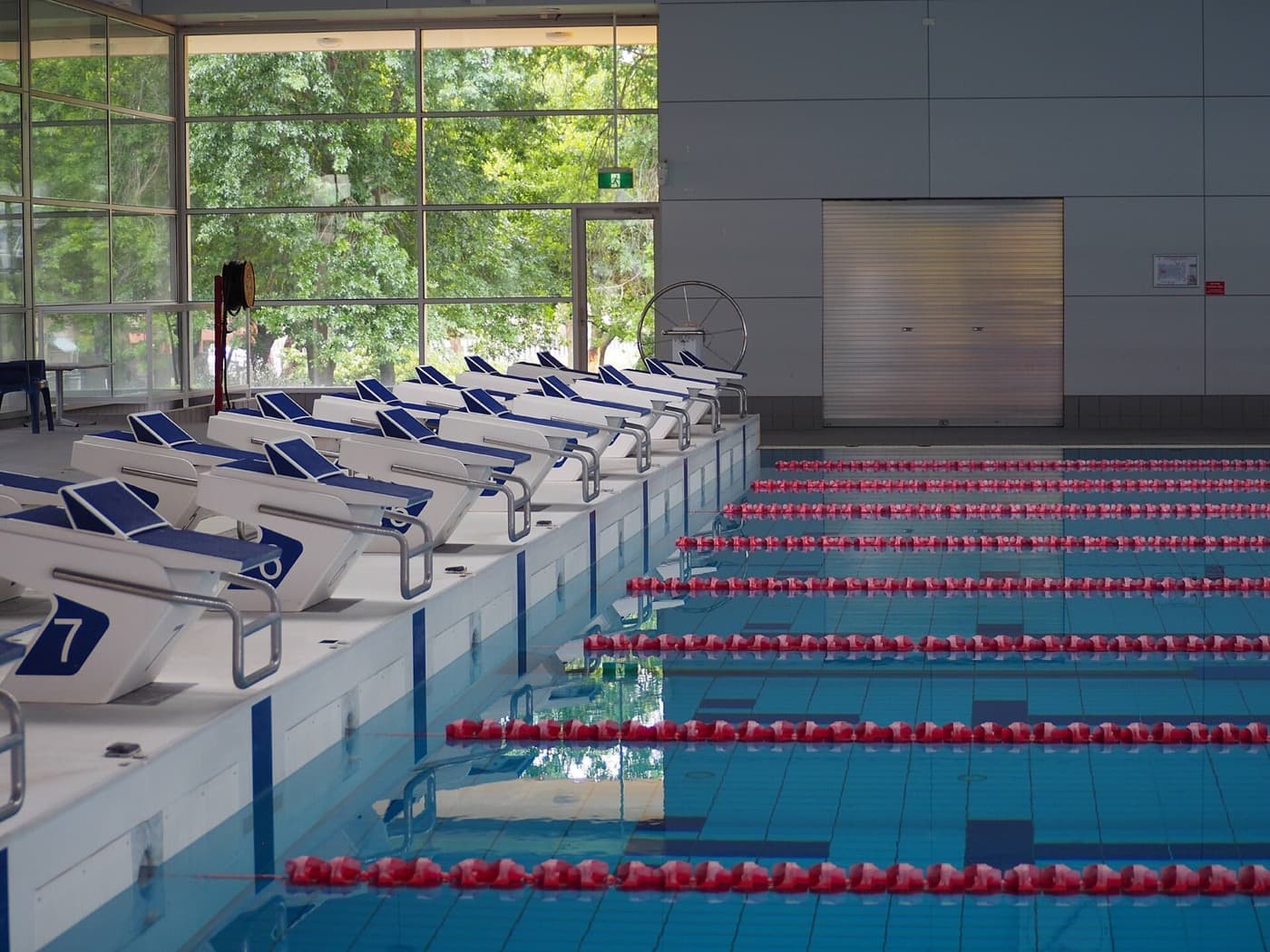
Swimming
A full-body, low-impact endurance sport suitable for almost every age and ability.
How it connects
The meaning-bearing relationships that place VO2 Max in the wider knowledge graph.
Commonly confused with
Explore across the knowledge base
Follow the threads that connect VO2 Max to the rest of SocialSportHub.
Adaptive sports
- Seated SportsSports played from a seated position — on the floor, on a bench or in a chair — so that people who benefit from a stable seated base can take part.
- Wheelchair SportsSports played from a wheelchair — often a specialised sports chair — so that wheelchair users can take part, train and compete.
- Adaptive sportsSport adjusted in its equipment, rules or format so that people with disabilities can take part, compete and enjoy it.
- Accessibility in sportHow sport removes barriers — physical, sensory, social and informational — so that disabled people can take part on equal terms.
- Sports for Deaf and Hard of Hearing AthletesMainstream sports made accessible by replacing sound-based signals with visual cues so that deaf and hard of hearing athletes can take part and compete.
Sports science
- Aerobic and anaerobic energyThe difference between energy the body produces with oxygen and energy it produces without it — a core idea behind why different efforts feel and last so differently.
- Force and powerThe difference between how much force the body can produce and how quickly it can produce it — the mechanics behind strength and explosiveness.
- Motor learningThe process by which practice and experience produce lasting improvements in how well a movement skill can be performed.
- Training adaptationThe process by which the body changes in response to repeated training — the underlying reason exercise makes you fitter, stronger or more skilful over time.
- Recovery and adaptationThe idea that the body adapts during recovery, not during the effort itself — which is why rest is treated as part of training rather than a break from it.
Lifestyle
- At homeMovement you can do in your living room — from bodyweight strength to yoga — with little or no equipment.
- No equipmentActivities and workouts you can do with little or no gear, using mostly your own body.
- 15 minutesShort, focused bursts of movement you can fit into a spare 15 minutes, with no long session required.
- 20 minutesTwenty minutes is enough for a solid, focused workout — a proper run, an interval session or a full-body circuit.
- EveningUsing the evening to be active after work, whether to unwind or fit in a proper session.
Goals
- Improve cardiovascular healthRegular activity is widely linked with supporting heart and circulatory health as part of a balanced routine.
- Quit smokingHow sport and activity can support a smoke-free routine — alongside proper professional support.
- Improve sleepSupport more restful sleep by staying active during the day and building a consistent daily rhythm.
- Improve mental wellbeingUse regular, enjoyable activity to support your mood, connection and sense of wellbeing as one healthy habit among many.
- Reduce alcoholHow activity and a fuller routine can support cutting back on alcohol — with professional support where needed.
People
- TeenagersHow sport can fit into a teenager’s life for fitness, friendship, confidence and healthy routines, with supervision.
- Busy professionalsHow time-efficient sport can fit a packed schedule to protect fitness, energy and stress relief.
- ParentsHow busy parents can fit sport around family life with flexible, home-friendly and time-efficient options.
- StudentsHow sport can fit around study, a tight budget and a changing timetable to support focus, energy and social life.
- SeniorsHow gentle, supported sport can help older adults stay active, mobile and connected, with a professional check first.