
Inclusive facilities
Sports venues designed or adapted so that disabled and non-disabled people can arrive, take part and feel welcome on equal terms.
Overview
Inclusive facilities are sports venues — pools, halls, gyms, courts and tracks — designed or adapted so that disabled and non-disabled people can use them together. Accessibility covers the whole journey: getting there, parking, entering the building, moving around, changing, and taking part in the activity itself. Good access is physical, but it is also about welcome — clear signage, staff awareness and inclusive sessions all matter.
No two venues are the same, and features vary widely, so it is always worth checking what a specific facility offers before visiting. This is general educational information about what accessibility can involve. For questions about a particular venue's suitability for an individual, the facility operator is the right first contact, alongside the sport's governing body and a qualified professional where an activity or health condition is involved.
What to know
- Inclusive facilities are venues designed or adapted so disabled and non-disabled people can use them together.
- Accessibility spans the whole visit — travel, parking, entrances, moving around, changing rooms and the activity.
- Access is physical and social: ramps and hoists matter, and so do welcoming staff and inclusive sessions.
- Features vary enormously between venues, so checking ahead is always worthwhile.
- Examples include accessible pools, sports halls, gyms and courts.
In practice
- Many mainstream leisure centres run inclusive or disability-specific sessions alongside general opening hours.
- Calling ahead to ask about specific features — such as accessible changing or a pool hoist — saves surprises on the day.
- Accessible design benefits many people, not only wheelchair users, including older adults and families with young children.
- For whether a specific venue suits an individual's needs, ask the facility operator, and a qualified professional where a health condition is involved.
Educational & inclusive
Related sports
Sports that connect to this topic — each with a clear, beginner-friendly guide.
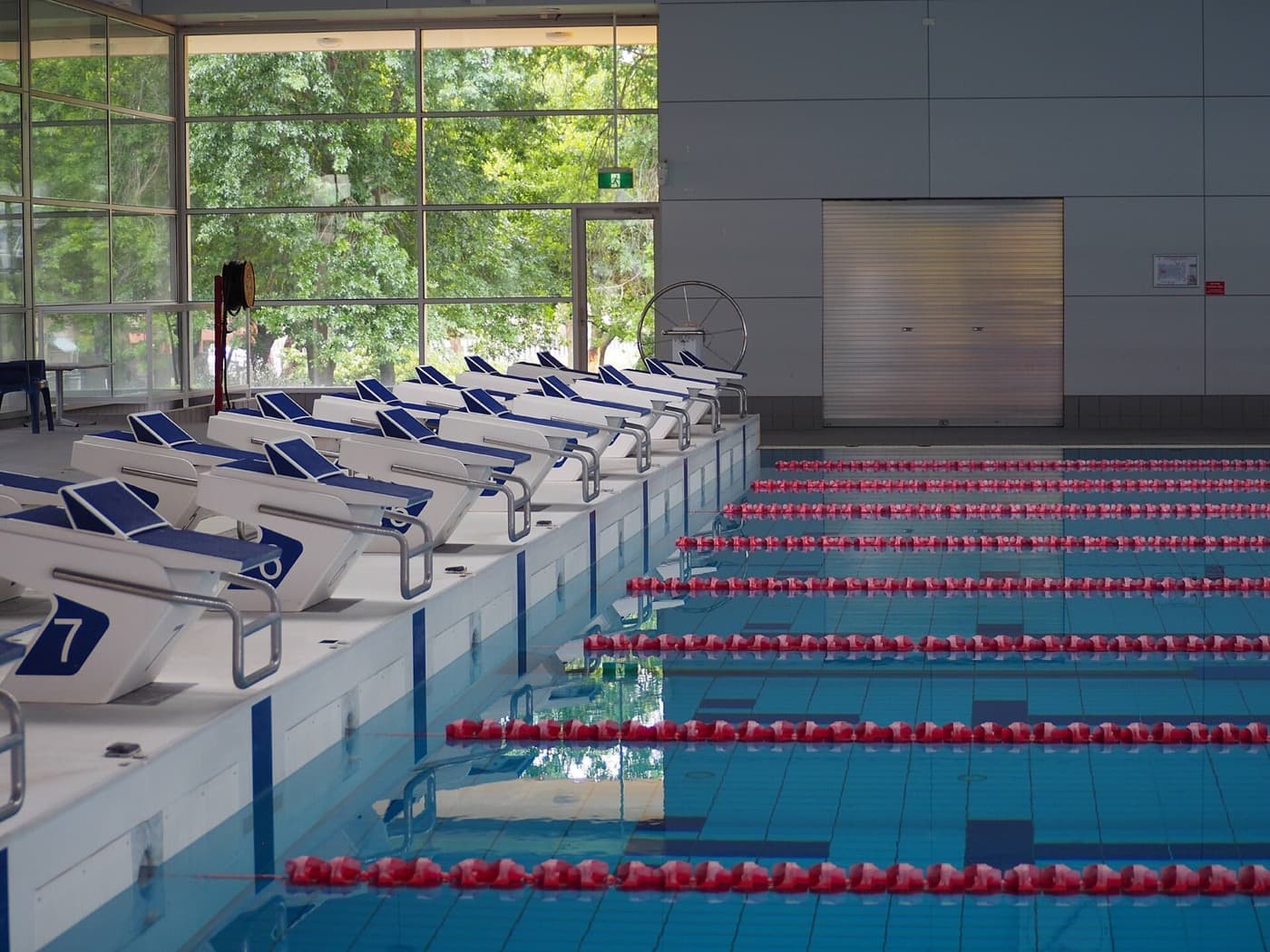
Swimming
A full-body, low-impact endurance sport suitable for almost every age and ability.
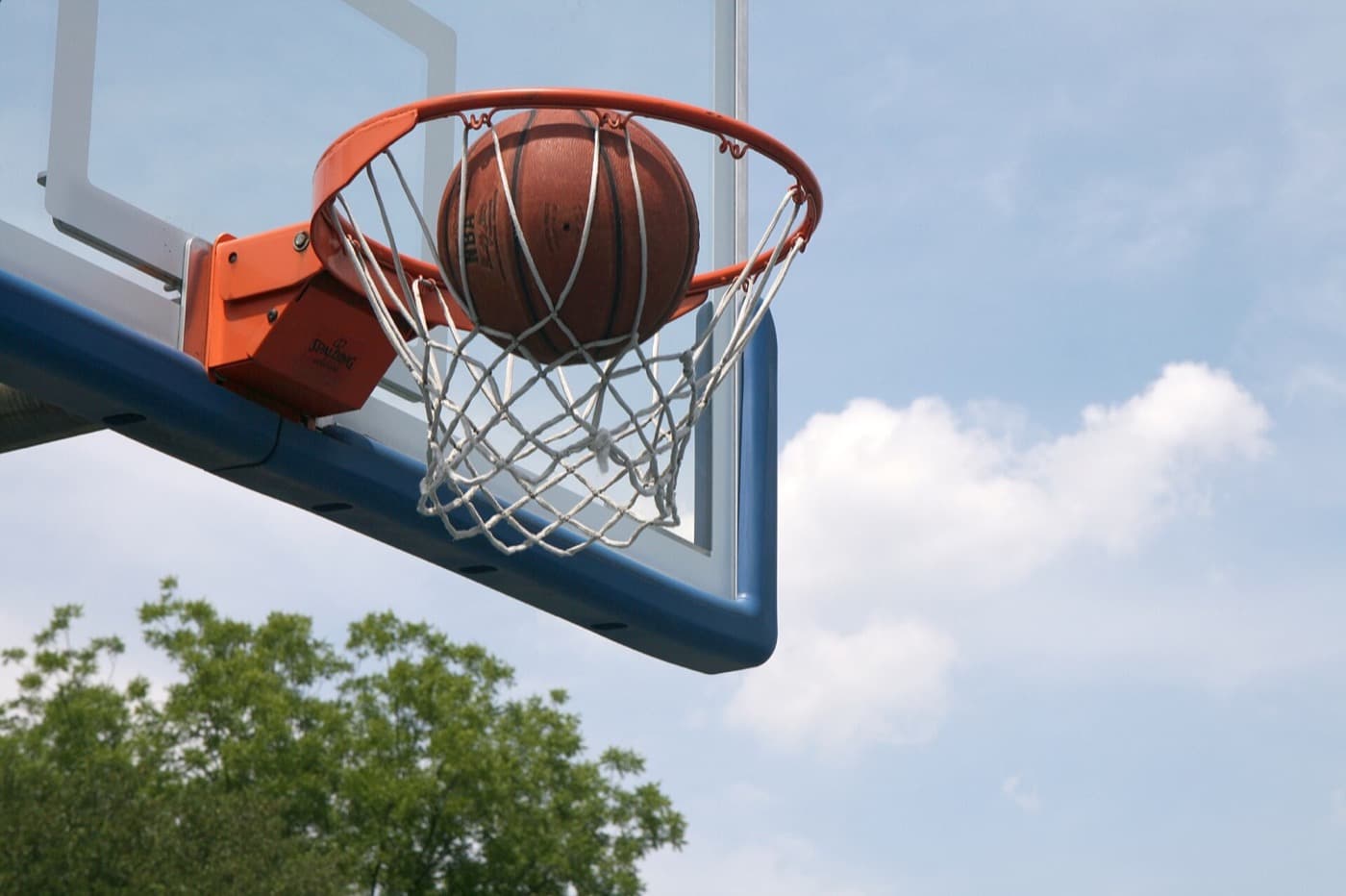
Basketball
A fast, dynamic team sport of running, jumping and quick decisions on court.
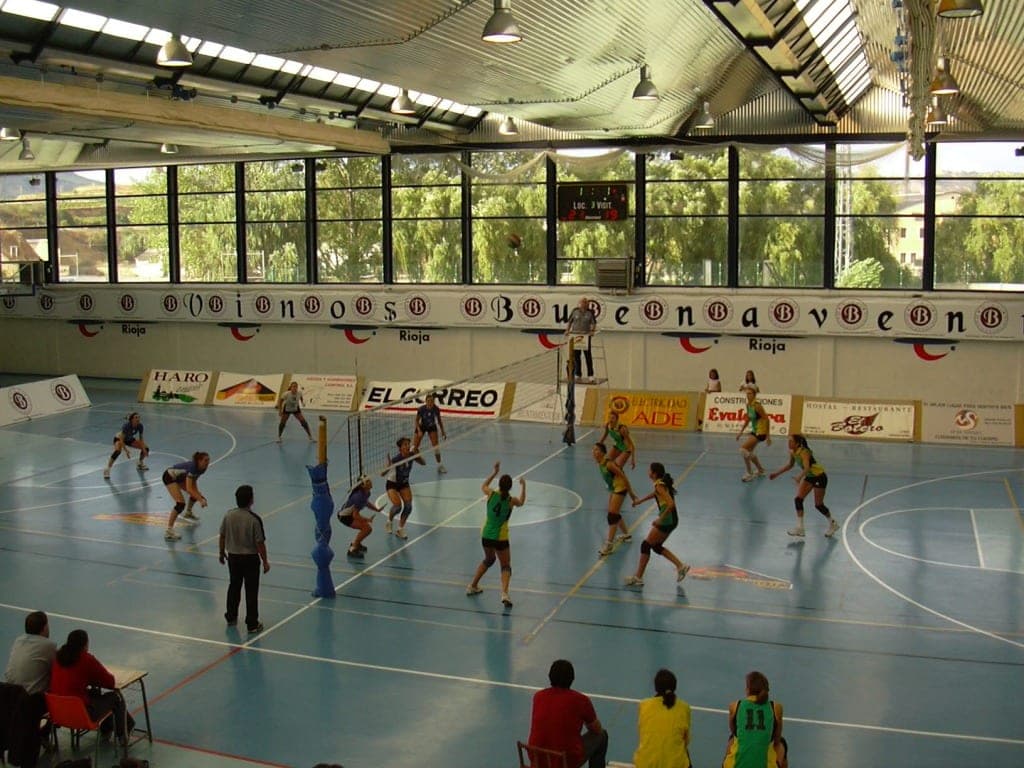
Volleyball
A non-contact team sport of rallies, jumps and teamwork — indoors or on the beach.
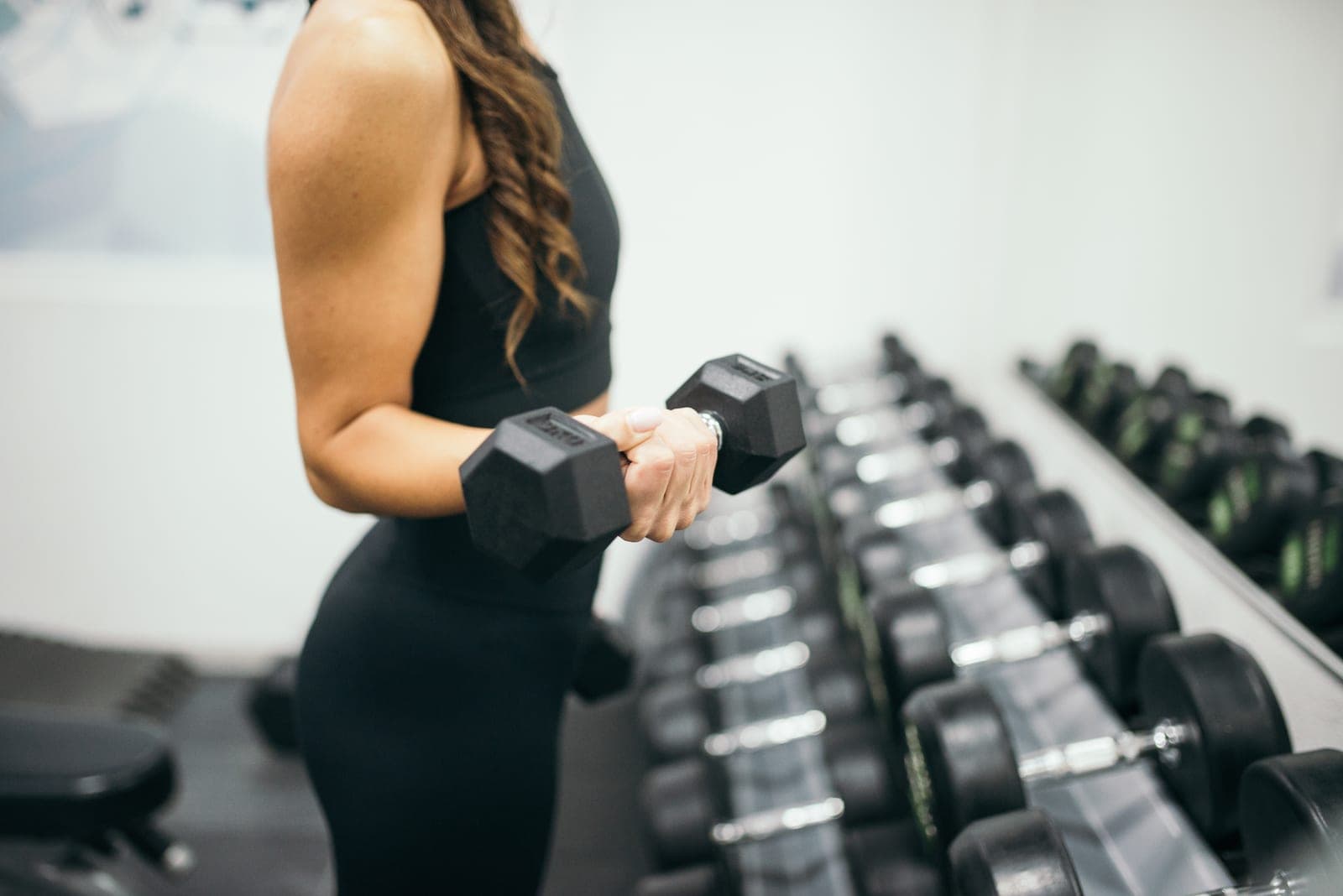
Fitness
Strength and general fitness training — the foundation that supports every other sport.
Goals it supports
Become more active
Add regular, gentle movement to your everyday life and build up from a sedentary start at your own pace.
Build an active lifestyle
Make movement a natural, lasting part of daily life through activities and habits you genuinely enjoy.
Improve mobility
Move your joints more freely and comfortably through their natural range with regular, gentle practice.
Social activities
Use sport as a way to meet people, make friends and stay connected while staying active.
Frequently asked questions
What makes a sports facility inclusive?
An inclusive facility lets disabled and non-disabled people arrive, move around and take part together — covering access from the car park and entrance through to changing rooms and the activity itself, plus welcoming staff and inclusive sessions. Features differ a lot between venues. For whether a particular venue suits an individual, contacting the facility operator directly is the best first step.
Explore across the knowledge base
Follow the threads that connect Inclusive facilities to the rest of SocialSportHub.
Facilities
- Swimming poolA water-filled basin, divided into lanes for competition, used for swimming and other aquatic sports.
- Sports hallA large indoor hall with multi-sport line markings, used for court sports like basketball, volleyball and badminton.
- GymAn indoor facility equipped with free weights, machines and cardio equipment for strength training and general fitness.
- Multi-use games area (MUGA)A fenced outdoor hard-surface area marked for several sports, common in schools, parks and community facilities.
How this page is maintained
- Content type
- Adaptive sports topic
- Provenance
- Tier A — evergreen educational
- Verified external sources
- 0
- Content updated
- 2026-07-09
Evergreen, first-party explanation — it makes no claim that needs an external source. How we handle sources and reviews.