
Healthy Snacks
Simple, satisfying snacks that top up energy between meals — handy for busy days and active ones.
Overview
Snacks often get a bad name, but a well-chosen snack is simply a small top-up of energy between meals. For active or busy people they can be genuinely useful — steadying hunger, bridging long gaps, or fuelling around activity. The helpful shift is usually toward snacks with a bit more substance, such as fruit, nuts, yoghurt or vegetables, rather than only quick, heavily processed options.
There is no perfect snack and nothing is off-limits; it is more about having good options within easy reach so the easy choice is also a satisfying one. A little planning — keeping simple snacks at home, at work or in a bag — goes a long way. This page is general education, not a diet plan; for advice suited to you or any health condition, speak with a qualified professional.
What helps
- A snack is just a small energy top-up between meals — not something to fear.
- Snacks with a bit of substance (fruit, nuts, yoghurt, veg) tend to satisfy more.
- Keeping good options to hand makes the easy choice a satisfying one.
- Nothing is off-limits — it is about balance across the day, not strict rules.
A note on this guidance
How to start
- 1Keep a couple of simple snacks where you will actually reach for them.
- 2Pair something for staying power, like fruit with nuts or yoghurt.
- 3Have a handy snack ready for busy or active days, so you plan less on the spot.
- 4For advice suited to you or any health condition, ask a qualified professional.
Sports that fit
Ways to put this into practice — each with a clear, beginner-friendly guide.
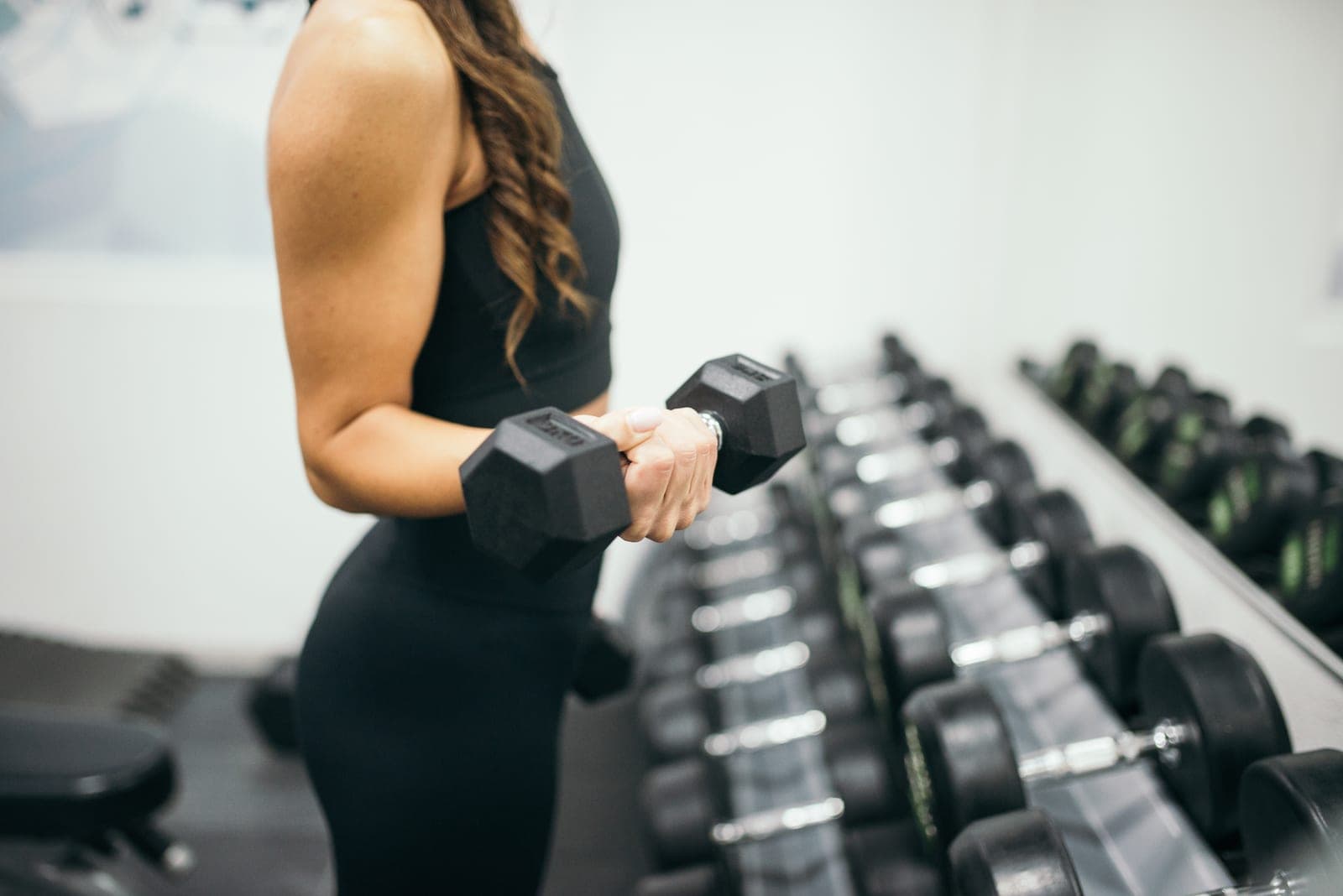
Fitness
Strength and general fitness training — the foundation that supports every other sport.

Running
The most accessible endurance sport — no venue, just shoes and the open road or trail.
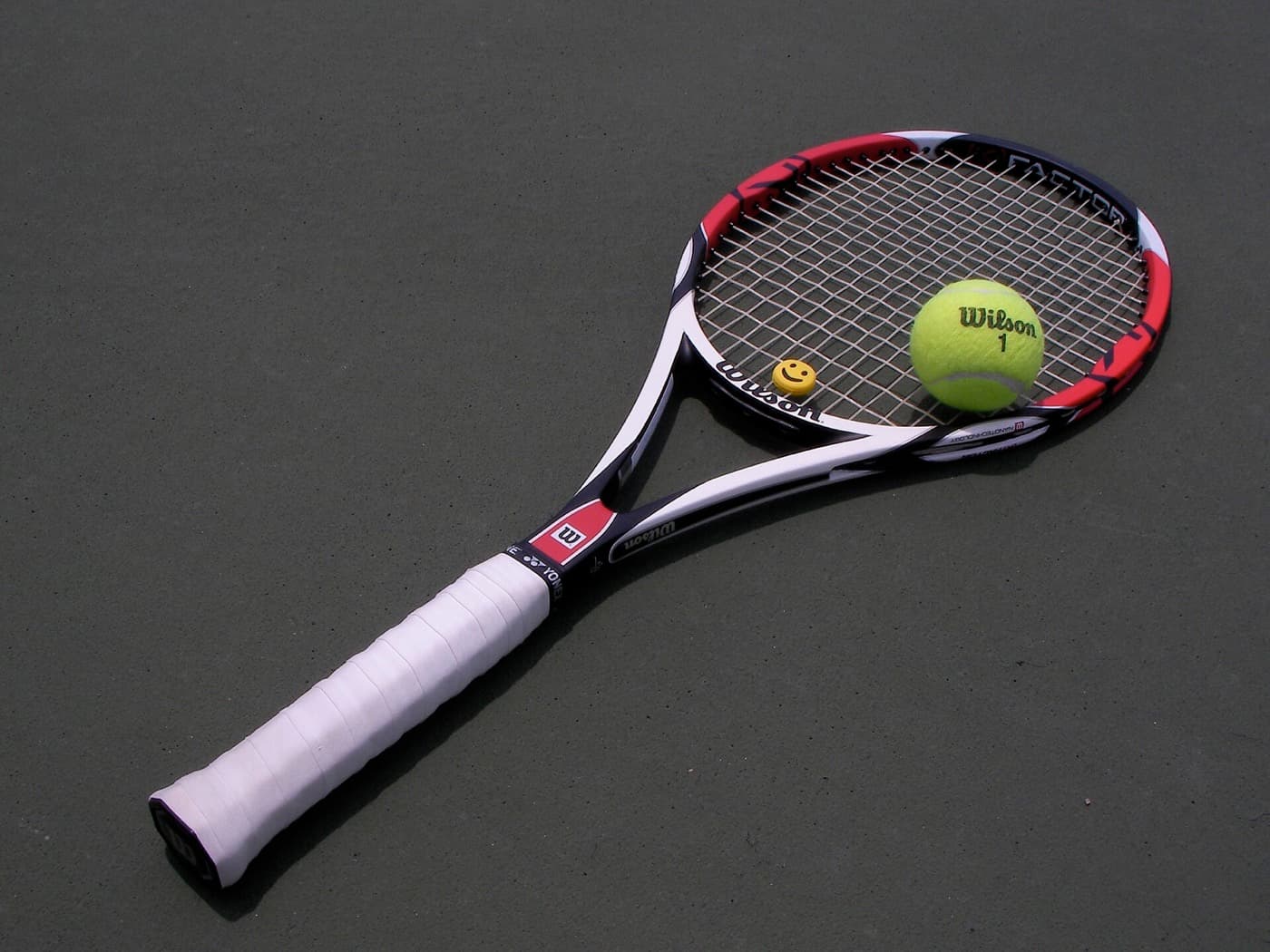
Tennis
A singles or doubles racquet sport that blends agility, strategy and stamina on court.
Goals it supports
Build healthy habits
Using sport and routine to make regular activity a lasting part of everyday life.
Build an active lifestyle
Make movement a natural, lasting part of daily life through activities and habits you genuinely enjoy.
Improve fitness
Build well-rounded fitness — stamina, strength and more — through regular, varied activity you can keep up.
Frequently asked questions
Are snacks bad for you?
Snacks are not inherently good or bad — a snack is simply a small top-up of energy, and it can be useful on busy or active days. Choosing options with a bit of substance, such as fruit, nuts or yoghurt, helps many people feel more satisfied. For guidance tailored to you or any health condition, speak with a qualified professional.
Explore across the knowledge base
Follow the threads that connect Healthy Snacks to the rest of SocialSportHub.
Barriers
People
- Busy professionalsHow time-efficient sport can fit a packed schedule to protect fitness, energy and stress relief.
- FamiliesHow families can be active together with inclusive, all-ages sports that make movement social and fun.
- CouplesHow sport can fit two people doing it together — shared activity that doubles as time together, mutual motivation and a common goal.
- ParentsHow busy parents can fit sport around family life with flexible, home-friendly and time-efficient options.
Lifestyle
Knowledge Atlas
Recovery
- Regular, balanced mealsEating regular, balanced meals is a general everyday habit that supports energy and recovery around an active lifestyle.
- Active recoveryActive recovery means very easy, gentle movement on lighter days to keep the body moving without adding hard training stress.
- Easy daysEasy days are deliberately gentle training days that keep the effort low so harder sessions can stay hard.
- WalkingWalking is simple, low-intensity movement that supports everyday activity and gentle recovery for almost anyone.
- Rest daysRest days are planned days off from training that give the body and mind time to recover between harder sessions.
How this page is maintained
- Content type
- Healthy living topic
- Provenance
- Tier A — evergreen educational
- Verified external sources
- 0
- Content updated
- 2026-07-09
Evergreen, first-party explanation — it makes no claim that needs an external source. How we handle sources and reviews.