
Compete on your own
Sports where the result is yours alone — racing, timing, scoring or grading against a standard rather than a squad.
How sport helps
Some people want the sharp end of sport without depending on a team turning up. Individual competition gives that: a race time, a score, a grade or a head-to-head, decided by what you did on the day. The measure is public and unambiguous, which is exactly what appeals.
It also asks for a particular kind of training. Without fixtures to structure your week you set your own schedule, and without team-mates to carry a bad day the result is entirely yours. Many people find this the most motivating way to train; others find it lonelier than a club sport, and it is worth knowing which you are before committing a season to it.
- A dated event gives training a clear purpose and an obvious structure to work back from.
- A time, a score or a grade is an honest measure of your own progress, independent of anyone else’s form.
- Most individual sports let you train on your own schedule, which suits people whose weeks are unpredictable.
- Entry-level events and gradings usually exist alongside serious ones, so competing does not have to mean being competitive with the field.
Getting started
- 1Enter something small and near, far enough ahead that you can prepare for it.
- 2Treat the first one as a measurement rather than a target — you cannot pace an event you have never done.
- 3Join a club anyway. Individual sports have clubs, and they are where coaching, training partners and entry advice come from.
- 4Build up gradually and give yourself recovery time between hard sessions; progressing faster than your body adapts is the usual reason people stop.
Good sports for this goal
Great places to start — each with a clear, beginner-friendly guide.
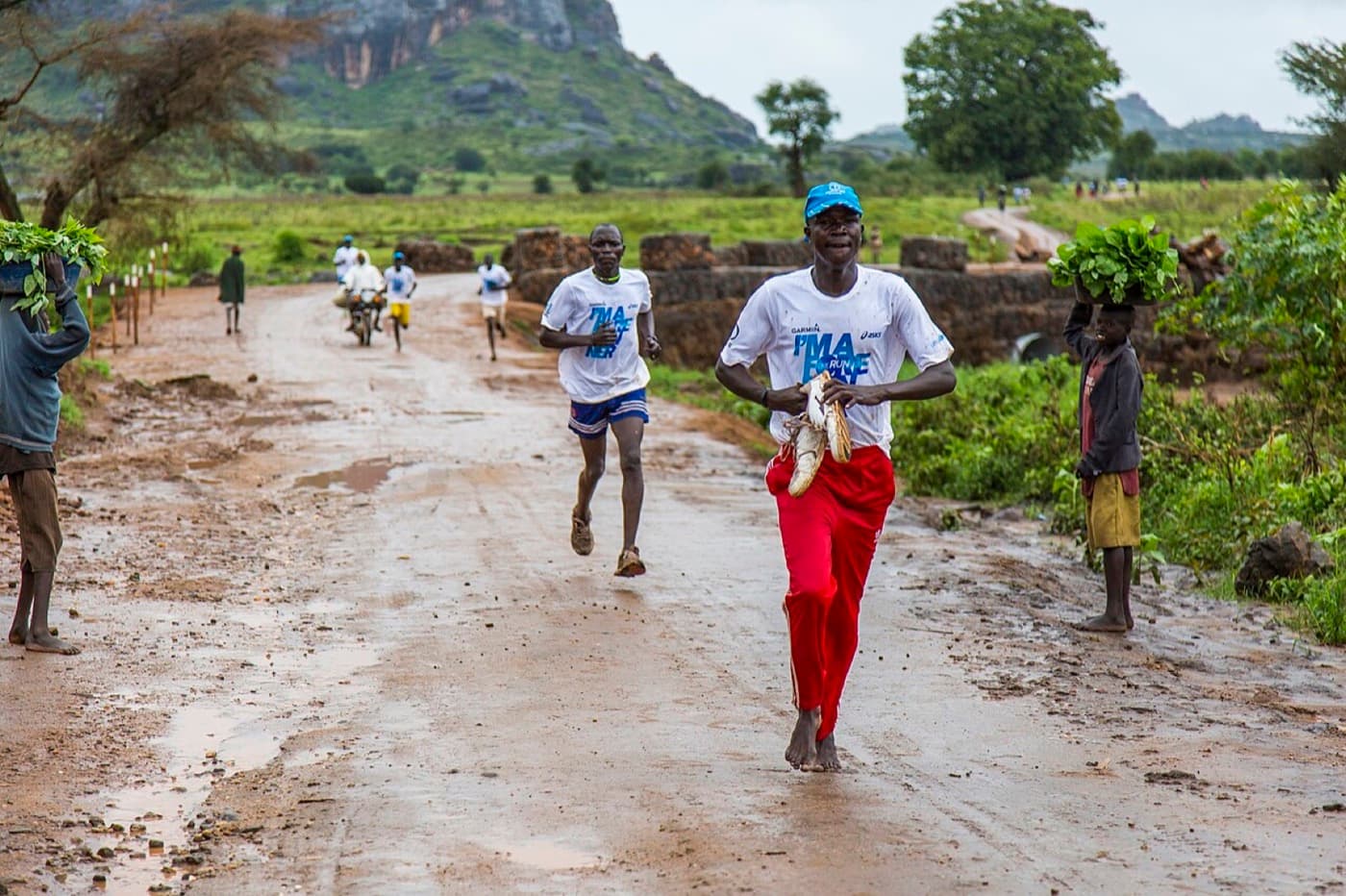
Running
The most accessible endurance sport — no venue, just shoes and the open road or trail.
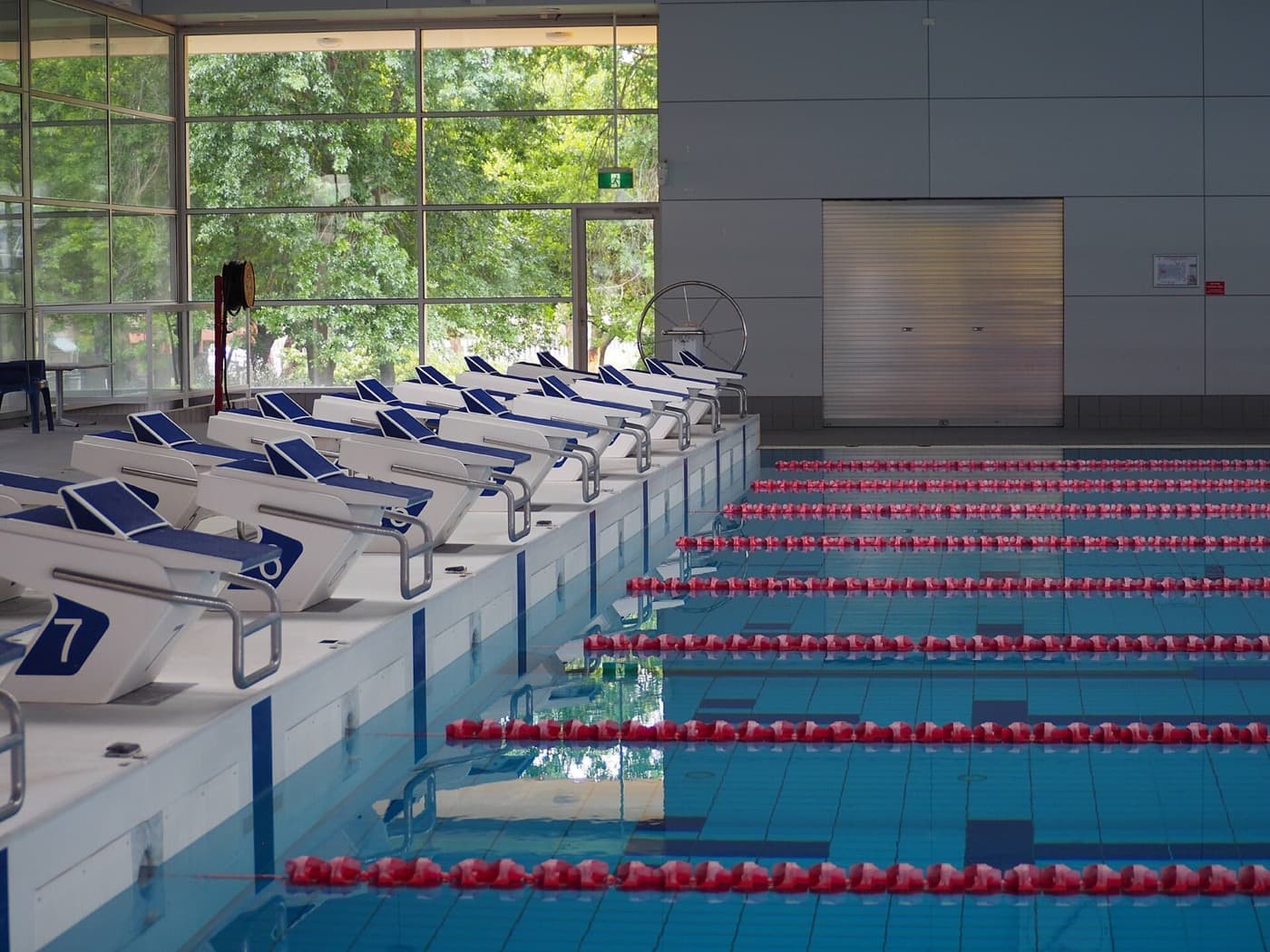
Swimming
A full-body, low-impact endurance sport suitable for almost every age and ability.
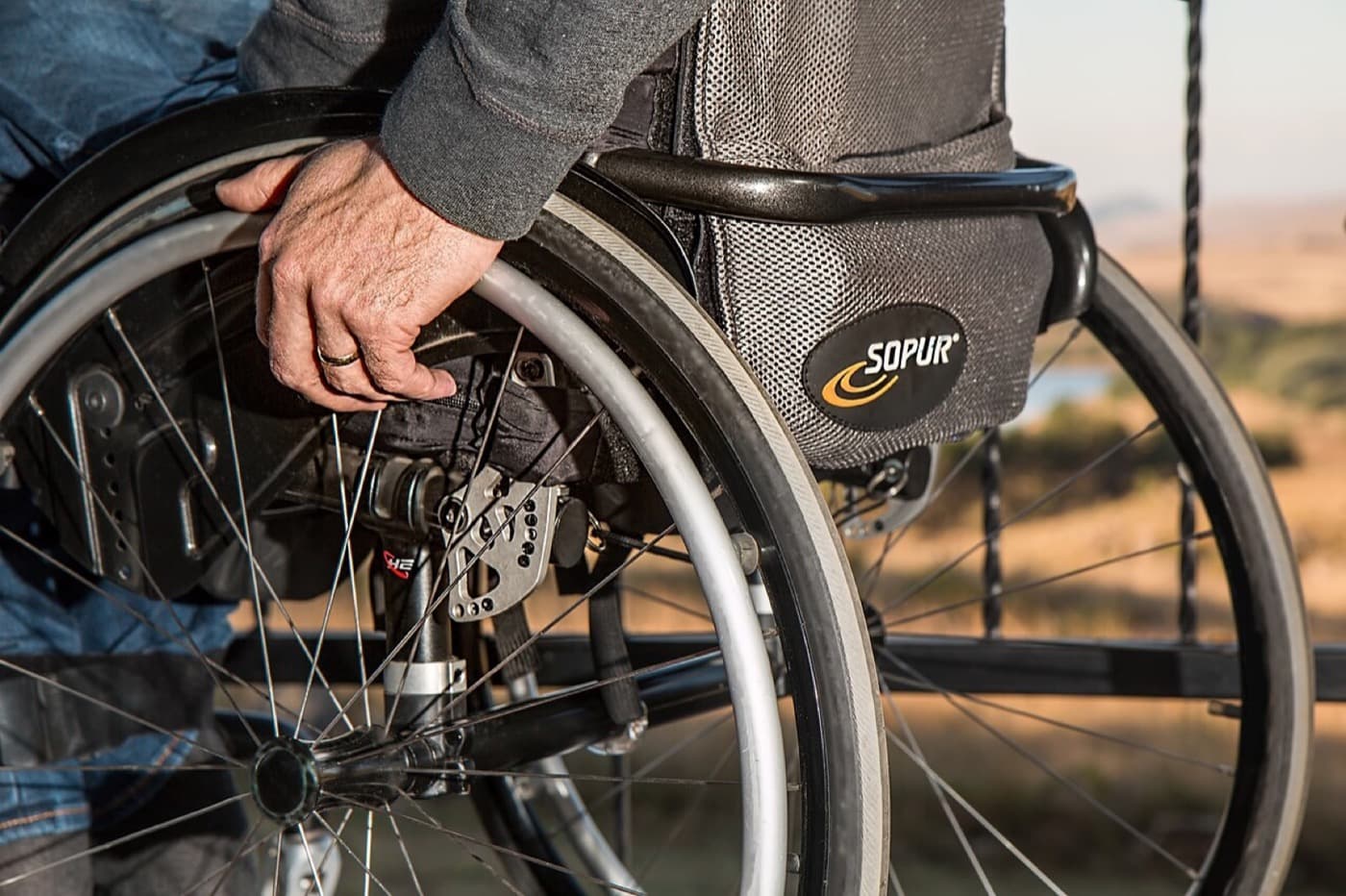
Cycling
A low-impact endurance sport that doubles as transport, exercise and adventure.
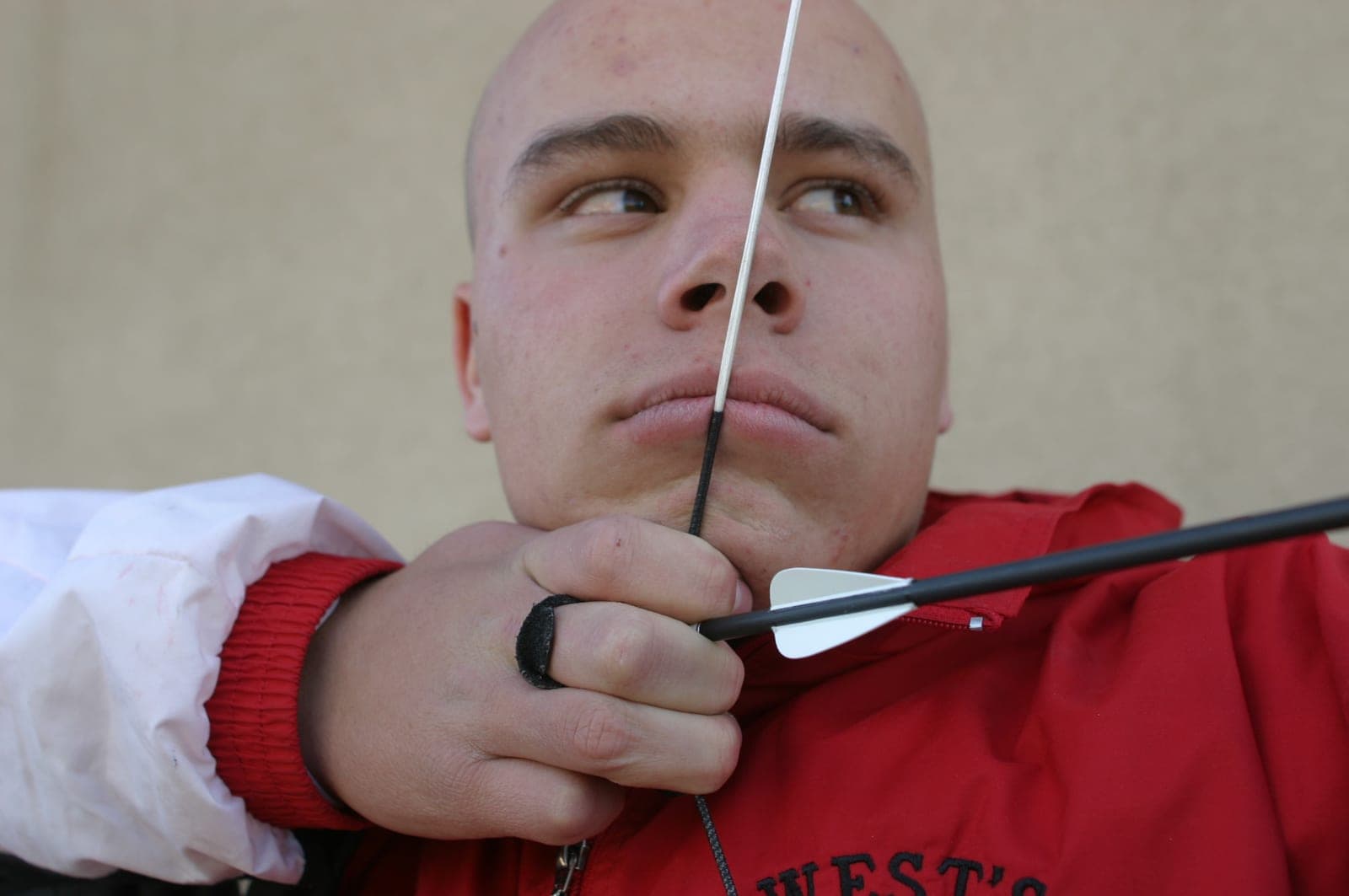
Archery
A precision target sport of drawing a bow and aiming at a target, rewarding focus, control and a steady hand.
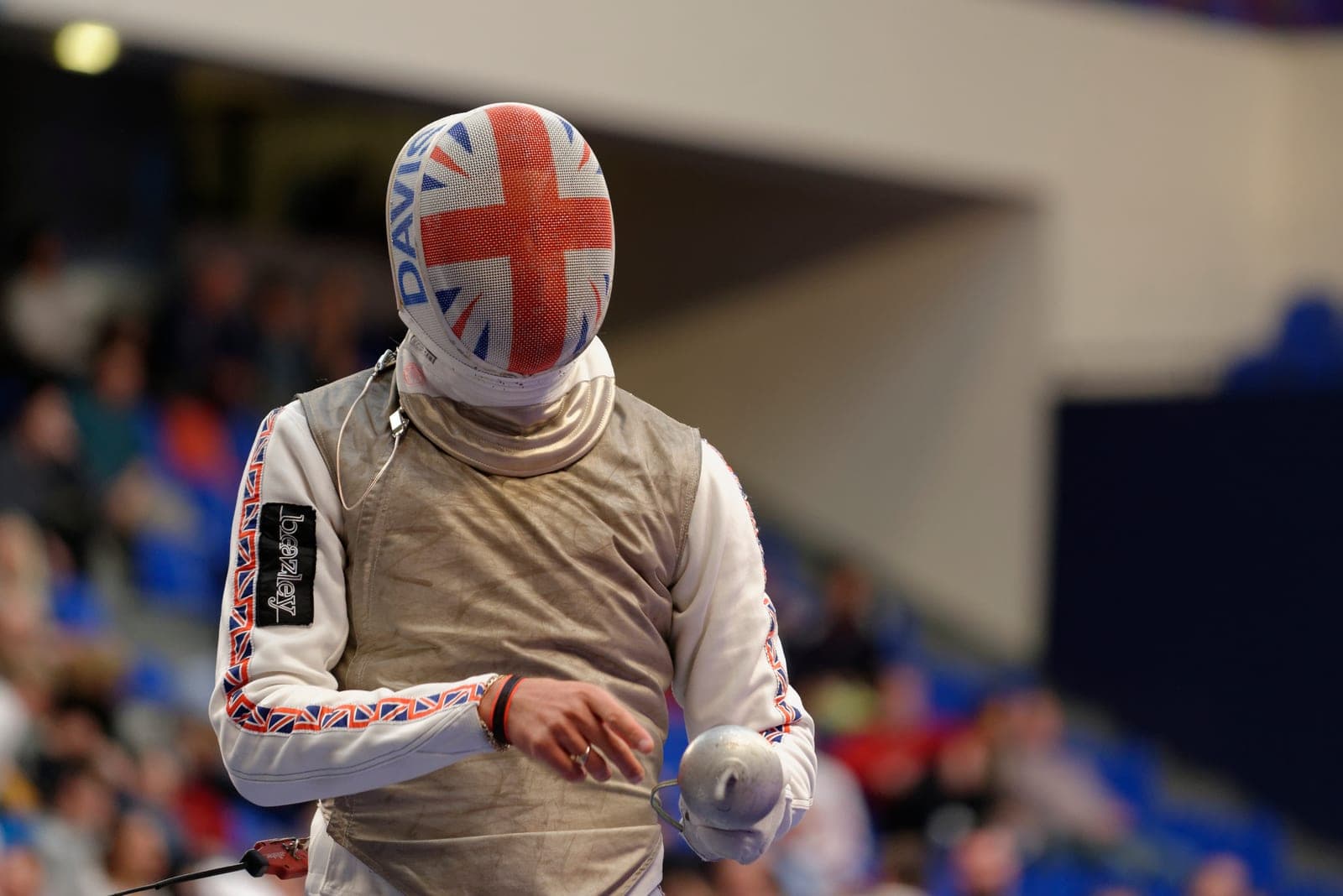
Fencing
A fast, tactical combat sport of controlled blade play that blends quick footwork with split-second decisions.
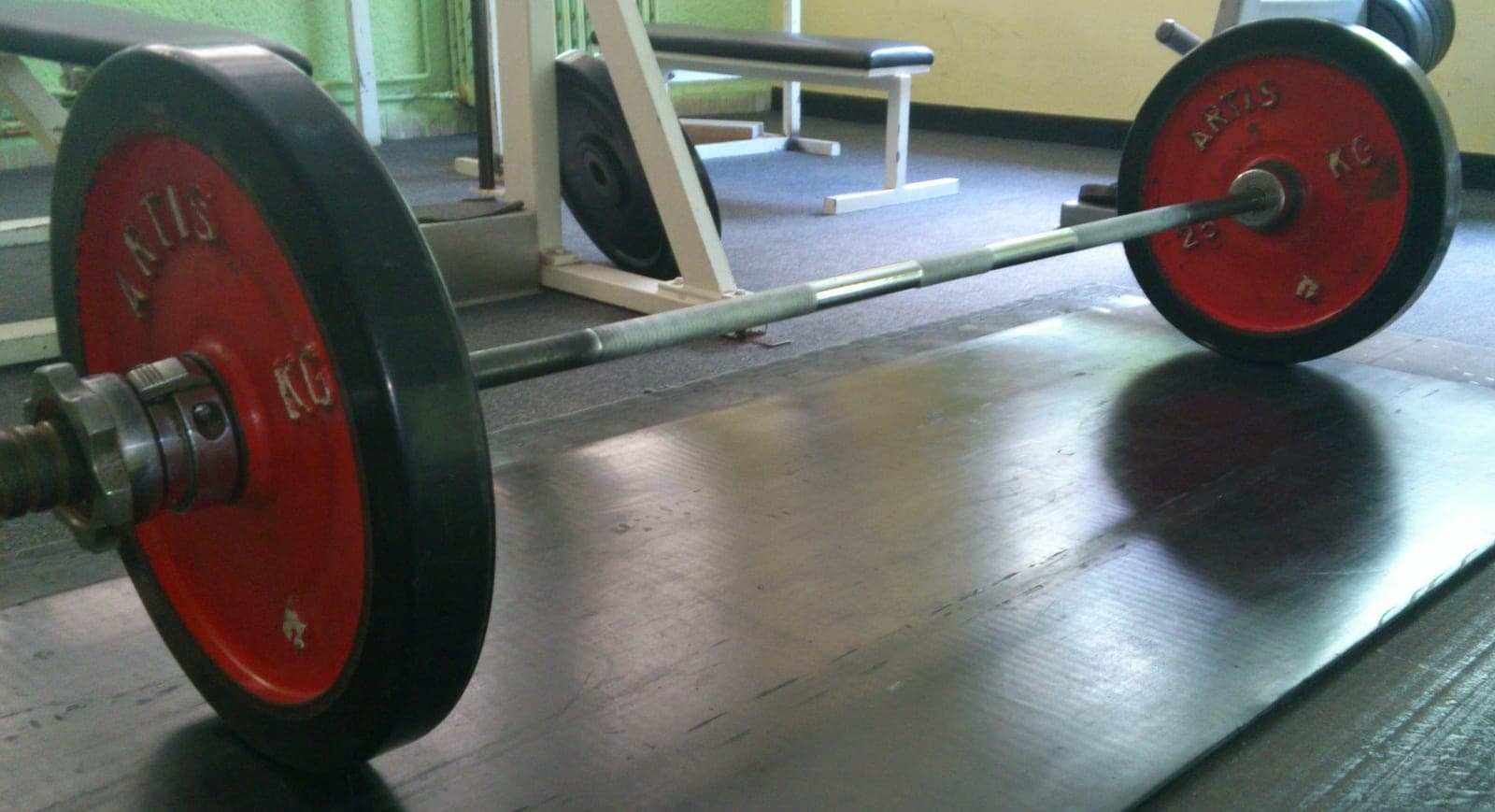
Powerlifting
A strength sport focused on lifting the heaviest weight you can across the squat, bench press and deadlift.
Also fits this goal
Sports beyond the shortlist above that genuinely serve this goal, each with the reason it does and what it costs you. These are editorial judgements about how a sport is typically played, not source-verified facts.
- Strong fitBiathlon
Your time and your shooting, with penalties for missed targets — a result that belongs entirely to you.
What it costs you: There is no informal version: you compete through a club with access to a range, or not at all.
- Strong fitRace Walking
A judged, timed individual event with a technical standard to meet as well as a clock to beat.
What it costs you: The technique is strictly judged, so it genuinely needs coaching — this is not fast walking.
- Strong fitSpeed Skating
A clock and a lane — the most direct individual measure there is on ice.
What it costs you: Entry is through a club, and the long apprenticeship on technique comes before racing is enjoyable.
- Strong fitTriathlon
One athlete, three disciplines, one time — including the transitions, which are part of the result and nobody else’s responsibility.
What it costs you: Training three sports takes more hours than training one, and the equipment and entry costs are the highest of any endurance route here.
- Strong fitWrestling
A one-on-one bout decided by what you do on the day, in weight categories, with no team result behind it.
What it costs you: Competition is organised through clubs and federations, so joining one comes well before entering anything.
Train for it
Exercises and methods that build what this goal needs — educational, not a prescription.
Wall sit
A holding exercise where you sit against a wall with no chair, holding a squat position still.
Step-up
A movement where you step up onto a raised platform one leg at a time and step back down.
Kettlebell swing
A dynamic hinge where you swing a kettlebell to shoulder height using a snap of the hips.
Push-up
A classic upper-body pushing exercise where you lower and press your body up from the floor.
Tricep dip
A pushing exercise where you lower and raise your body using your arms on parallel bars or a bench.
Pull-up
A vertical pulling exercise where you hang from a bar and pull your chin above it.
Frequently asked questions
Do I have to be good to enter something?
No. Most individual sports run entry-level events, beginner categories or gradings precisely so that people can take part while they are still learning. The result is a measurement of where you are, which is the point of a first one.
Is competing individually lonelier than team sport?
It can be, and it is worth being honest with yourself about that. The result is yours alone on a bad day as well as a good one. Most people who stay with it train with a club or a group even though they compete alone, which gives the company without changing the sport.
Which individual sports are easiest to start competing in?
Running has the widest choice of small, local, low-cost events, and swimming and cycling are close behind. Archery, fencing and powerlifting compete through clubs and federations, so joining a club comes first there.
Related goals
Discipline
Build consistency, focus and self-discipline through the routines that sport and training encourage.
Build confidence
Use sport and steady progress to feel more capable, comfortable and self-assured over time.
Improve fitness
Build well-rounded fitness — stamina, strength and more — through regular, varied activity you can keep up.
Return to sport
Easing back into activity after time away, a long break or a period off through injury.
How it connects
The meaning-bearing relationships that place Compete on your own in the wider knowledge graph — each one with the reason it exists.
Achieved through
Routes people take towards this goal.
- RunningRunning is one of the sports listed under the “Compete on your own” goal.
- SwimmingSwimming is one of the sports listed under the “Compete on your own” goal.
- CyclingCycling is one of the sports listed under the “Compete on your own” goal.
- ArcheryArchery is one of the sports listed under the “Compete on your own” goal.
- FencingFencing is one of the sports listed under the “Compete on your own” goal.
Explore across the knowledge base
Follow the threads that connect Compete on your own to the rest of SocialSportHub.
Practice & sessions
How this page is maintained
- Content type
- Life goal
- Provenance
- Tier A — evergreen educational
- Verified external sources
- 0
- Content updated
- 2026-09-22
Evergreen, first-party explanation — it makes no claim that needs an external source. How we handle sources and reviews.