
Sin Bin
A temporary suspension in which a player must leave the field for a set period as a disciplinary sanction, used in rugby, ice hockey, and other sports.
Definition
The sin bin refers both to a temporary dismissal and to the area where a suspended player waits. Rather than being sent off permanently, an offending player is removed for a fixed time, leaving their team a player short. It is a middle sanction between a warning and a permanent send-off, used to punish serious or repeated infringements.
The length and triggers differ by sport. In rugby union and rugby league a yellow card carries a ten-minute sin-bin period; in ice hockey the penalty box holds players for a minor, major, or misconduct penalty; and field hockey uses coloured cards for suspensions of varying length. The common principle is a temporary numerical disadvantage that penalises the team without ending the player's match.
Meaning by sport
This term is used differently across sports:
- rugby union
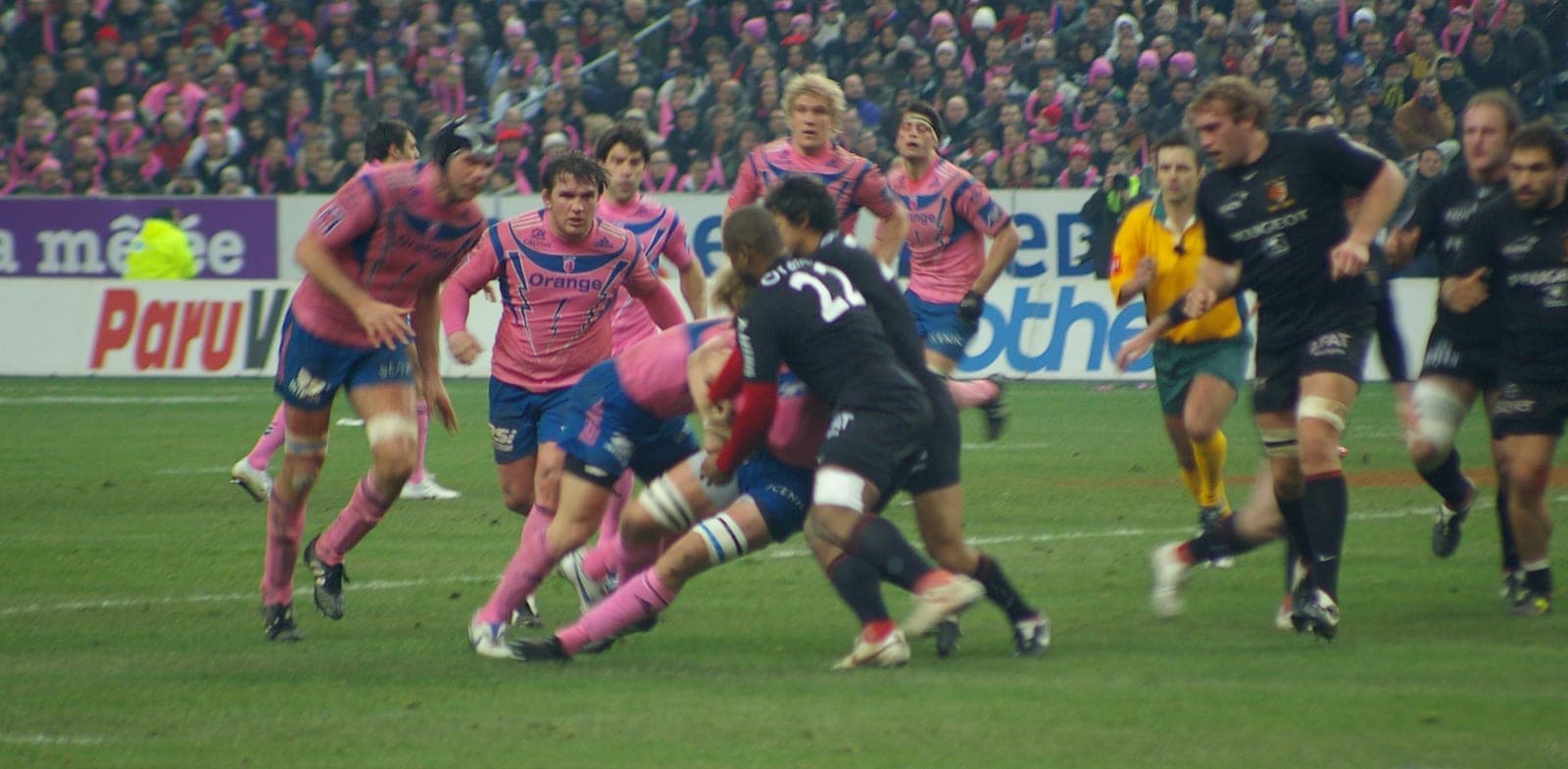
- A ten-minute temporary suspension that follows a yellow card, leaving the team with fourteen players.
- rugby league
- A ten-minute temporary suspension for foul play or repeated infringements.
- ice hockey
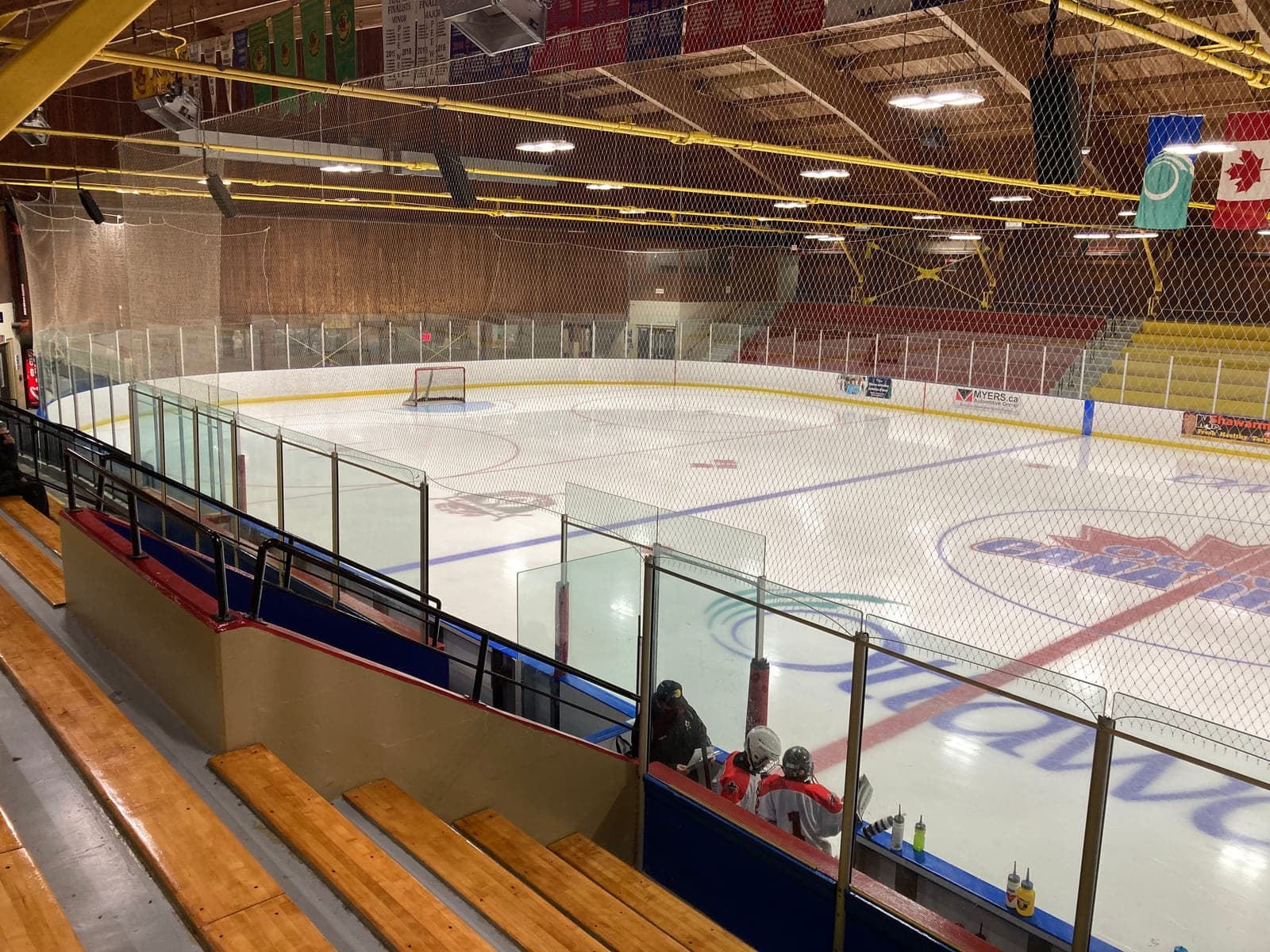
- The penalty box, where a penalised player serves a minor, major, or misconduct penalty.
- field hockey
- A temporary suspension served off the field for a set number of minutes, indicated by a green or yellow card.
Where you’ll hear “sin bin”
Sports that use this term:
How it connects
The meaning-bearing relationships that place Sin Bin in the wider knowledge graph — each one with the reason it exists.
Commonly confused with
Close enough to be mixed up — the distinction is worth knowing.
Explore across the knowledge base
Follow the threads that connect Sin Bin to the rest of SocialSportHub.
Rules
- Ice hockey penaltiesHow hockey punishes infractions by putting a player in the box — minor, double-minor, major, misconduct and game misconduct — and which ones end early when a goal is scored.
- Knock-on and forward passThe rule that makes rugby a backwards-passing game — what counts as a knock-on, what makes a pass forward, and why the sanction is usually a scrum rather than a penalty.
- Out-of-court play in padelThe rule that lets a padel player leave the court to keep a rally alive — when it is authorised, what the court must provide for it, and why it depends on the safety area.
- The scrumRugby union's eight-player set piece — the 3-4-1 formation, the referee's crouch-bind-set sequence, where the scrum-half must stand, the throw-in requirements, and how a scrum ends.
- Yellow and red cardsThe disciplinary cards a football referee shows to caution or send off a player for misconduct.
Tactics
- The penalty killHow a team defends a player short — the box and diamond formations, why killers ice the puck legally, and what a short-handed team is actually trying to protect.
- The power playWhat a team does with a one-player advantage — the umbrella and 1-3-1 setups, why the extra player creates a passing triangle a penalty kill cannot cover, and what the clock is worth.
- Breakdown strategyThe contest that decides most rugby union matches — when to commit players to a ruck and when to leave it, what a jackal is trying to do, and why the counter-ruck is a gamble.
- Offside trapA defensive football tactic where the back line steps up together to leave an attacker offside.
Equipment
Facilities
- The rugby union fieldThe dimensions and markings of a rugby union pitch — the field of play, the in-goal areas, the 22-metre and 10-metre lines, the goal posts, and what the Laws fix versus what they leave open.
- Ice rinkA sheet of prepared ice, usually rink-boarded with rounded corners, used for skating and ice sports.
- Football pitchThe large rectangular grass or artificial-turf field on which football (soccer) is played, with a goal at each end.
Techniques
- Kicking in rugby unionThe kicks rugby union is played with — punt, grubber, box kick, up-and-under, drop kick and place kick — what each achieves and which law governs its use.
- Face-offsHow every hockey stoppage restarts — the nine face-off locations, why the location is itself a sanction, and the techniques centres use to win possession.
Go deeper with Sin Bin
Everywhere else on the platform that covers Sin Bin — assembled from what actually references it, so nothing here is a dead end.
Take it away
Open data and the whole-platform view of this subject.
How this page is maintained
- Content type
- Term
- Provenance
- Tier A — evergreen educational
- Verified external sources
- 0
- Content updated
- 2026-09-01
Evergreen, first-party explanation — it makes no claim that needs an external source. How we handle sources and reviews.