
Restart
The general term for any method by which play is resumed after it has been stopped.
Definition
A restart is the umbrella term for putting the ball or puck back into play after a stoppage. Each sport defines a family of restarts for different situations — for example, football (soccer) uses kick-offs, throw-ins, corner kicks, goal kicks, free kicks, penalty kicks, and drop balls, each triggered by a specific event.
Restarts matter both procedurally and tactically: set-piece restarts such as corners and free kicks are rehearsed scoring chances, while the choice and speed of a restart can shift momentum. In rugby, restarts include the kick-off, scrum, line-out, and drop-out, and in field hockey the free hit and push-in serve the same purpose of resuming play.
Where you’ll hear “restart”
Sports that use this term:

Football
The world’s most popular team sport — endless running, teamwork and community in one game.
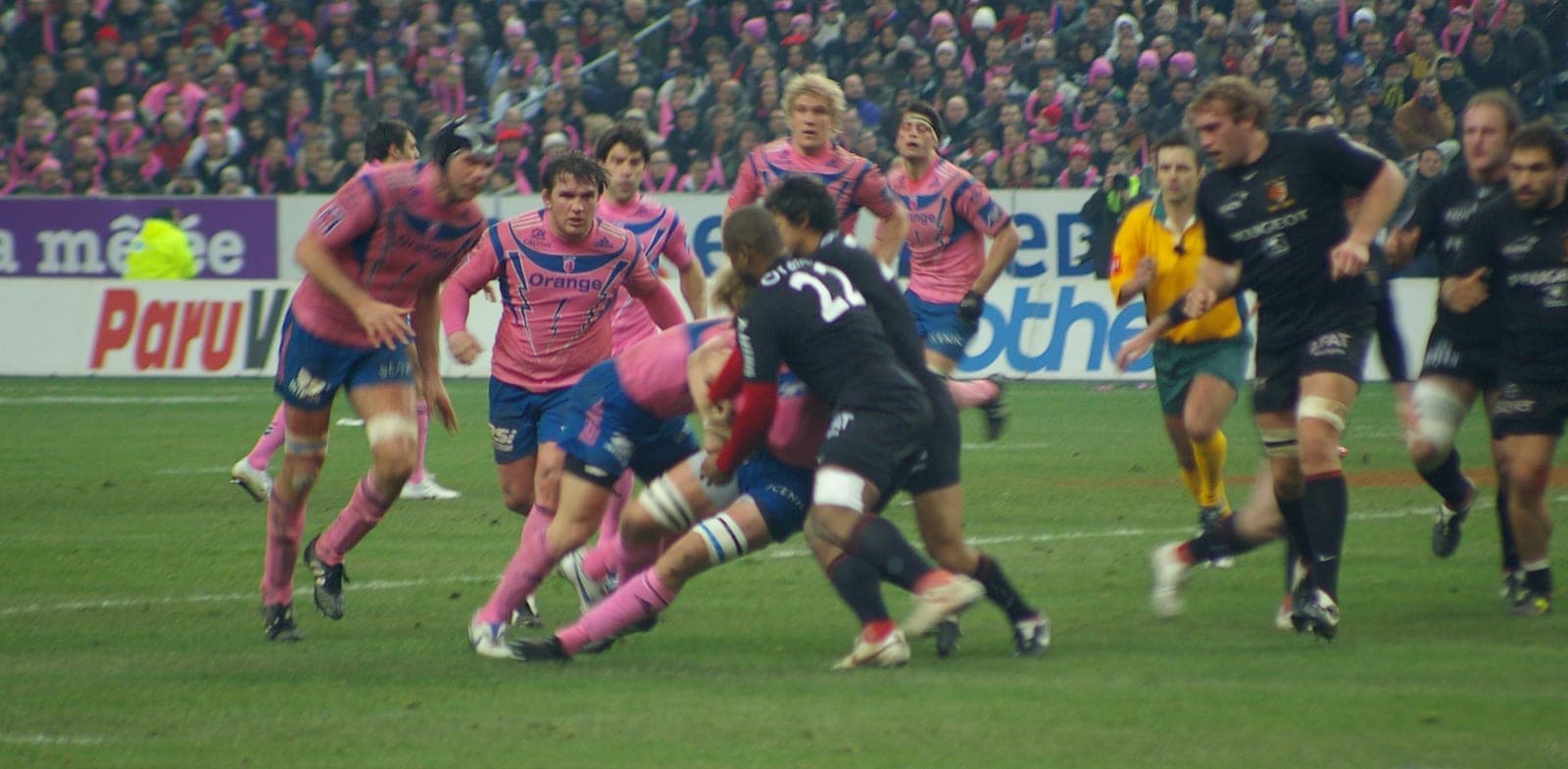
Rugby
A physical team sport of carrying, passing and kicking an oval ball toward the opposing line.
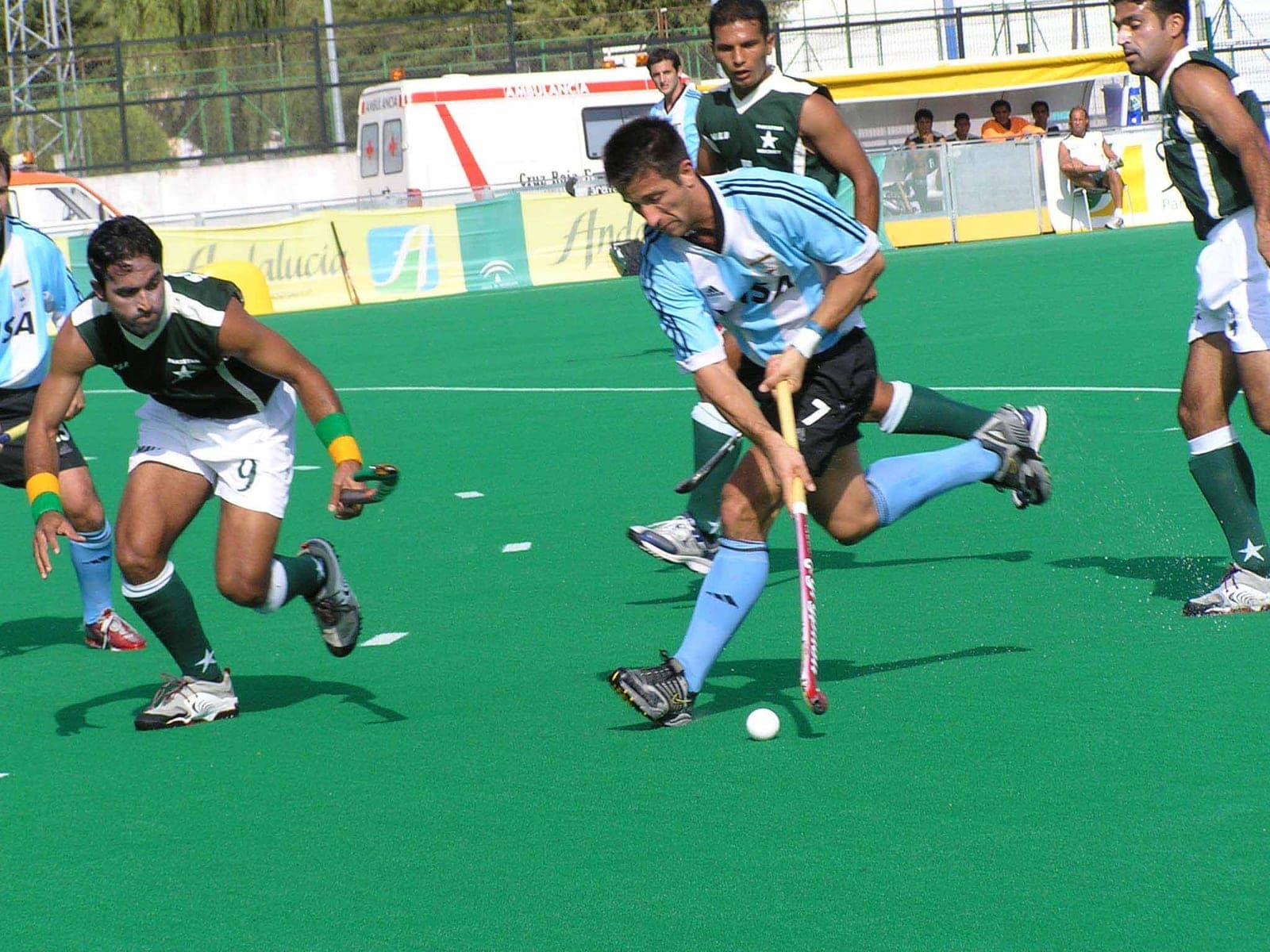
Field Hockey
An outdoor team sport that uses curved sticks to move a ball, built on agility and teamwork.
Explore across the knowledge base
Follow the threads that connect Restart to the rest of SocialSportHub.
Rules
- Direct and indirect free kicksThe two types of free kick awarded in football to restart play after a foul or other stoppage.
- Backcourt violationA basketball rule breach for returning the ball into a team's own defensive half after it has crossed into the attacking half.
- The scrumRugby union's eight-player set piece — the 3-4-1 formation, the referee's crouch-bind-set sequence, where the scrum-half must stand, the throw-in requirements, and how a scrum ends.
- Throw-inThe method of restarting football when the ball fully crosses a side line, taken by throwing it back into play.
Tactics
- Set-piece playRehearsed routines from a dead-ball situation such as a corner, free kick or throw-in used to create chances.
- Rugby union set-piece strategyWhy the scrum and lineout are attacking platforms rather than restarts — how a set piece fixes defenders in known positions, and what a team is buying when it chooses one over a kick.
Go deeper with Restart
Everywhere else on the platform that covers Restart — assembled from what actually references it, so nothing here is a dead end.
Take it away
Open data and the whole-platform view of this subject.
How this page is maintained
- Content type
- Term
- Provenance
- Tier A — evergreen educational
- Verified external sources
- 0
- Content updated
- 2026-09-01
Evergreen, first-party explanation — it makes no claim that needs an external source. How we handle sources and reviews.