
Walkover
A win awarded to one side because the opponent does not start, withdraws, or is absent.
Definition
A walkover occurs when a competitor advances or is declared the winner without the contest being properly played, because the opposing side fails to appear, withdraws before starting, or is disqualified beforehand. In knockout tournament draws it is often marked "w/o," and the advancing player progresses with no competitive scoreline recorded.
A walkover differs from a mid-match retirement or a forfeit in reason and timing: it typically means no meaningful play took place at all, such as an injured player pulling out before a tennis match begins. Because nothing was contested, results and statistics may be recorded differently from a completed match, and in some sports no score is entered at all.
Where you’ll hear “walkover”
Sports that use this term:
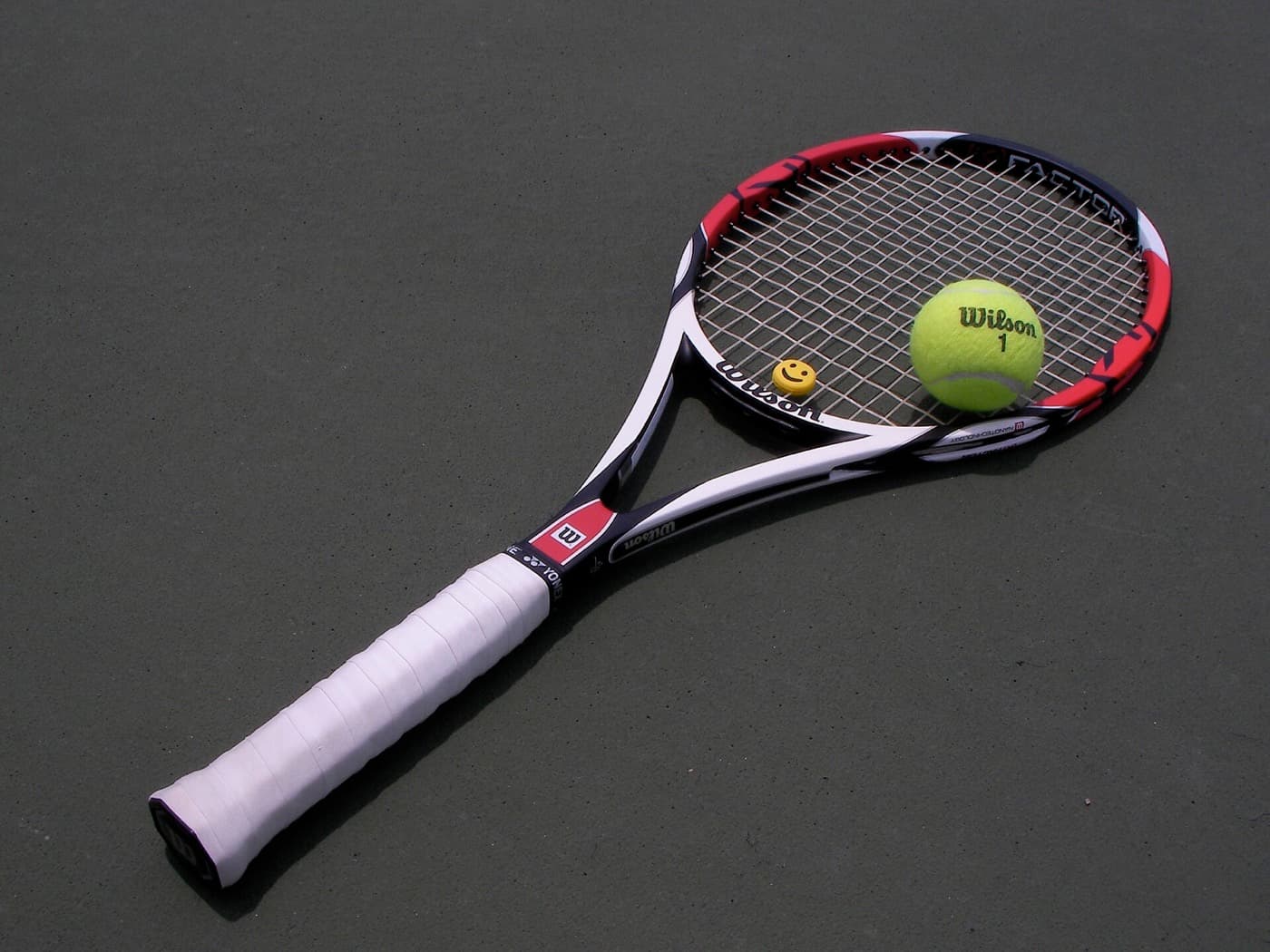
Tennis
A singles or doubles racquet sport that blends agility, strategy and stamina on court.
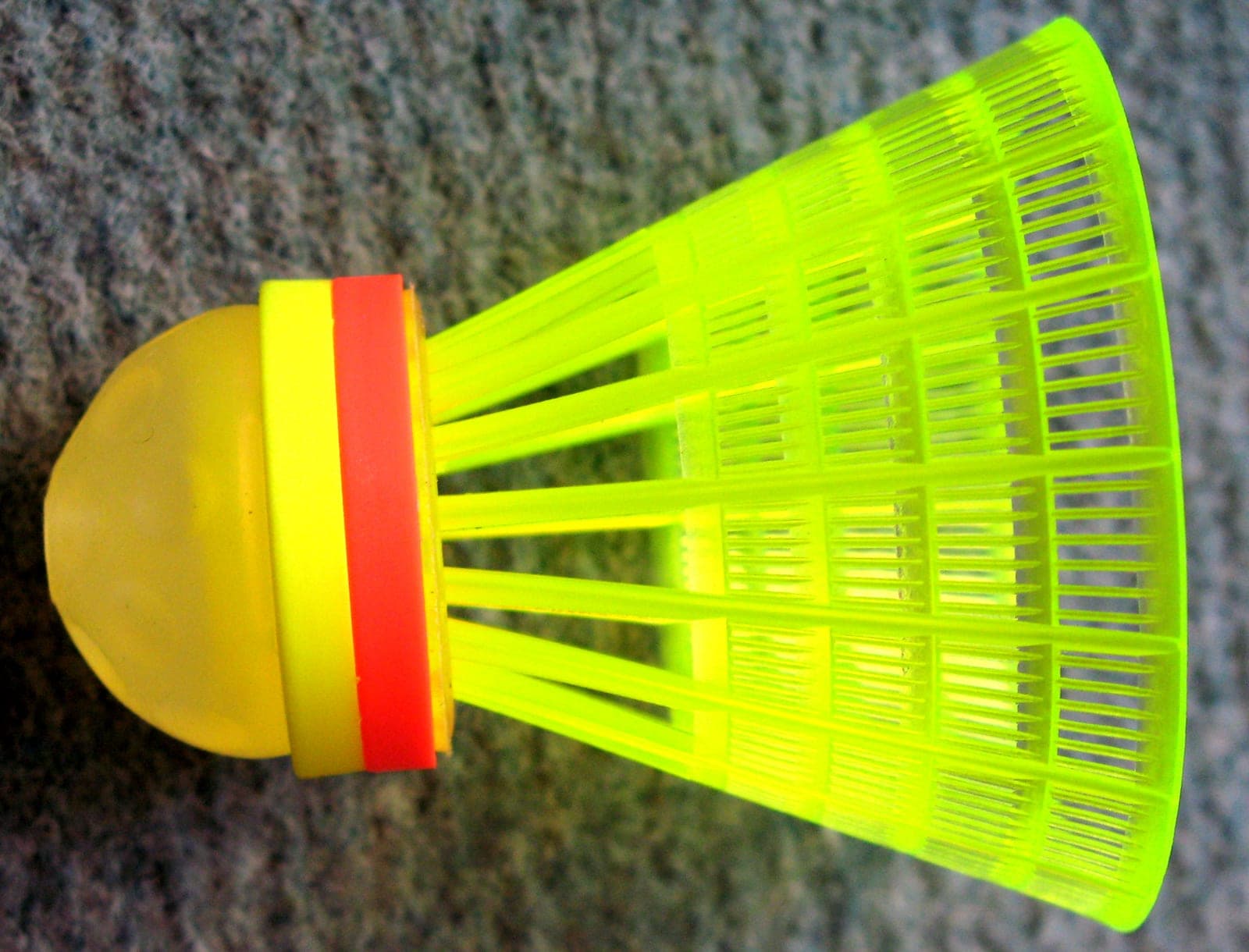
Badminton
A fast indoor racquet sport played with a shuttlecock that rewards agility and touch.

Football
The world’s most popular team sport — endless running, teamwork and community in one game.
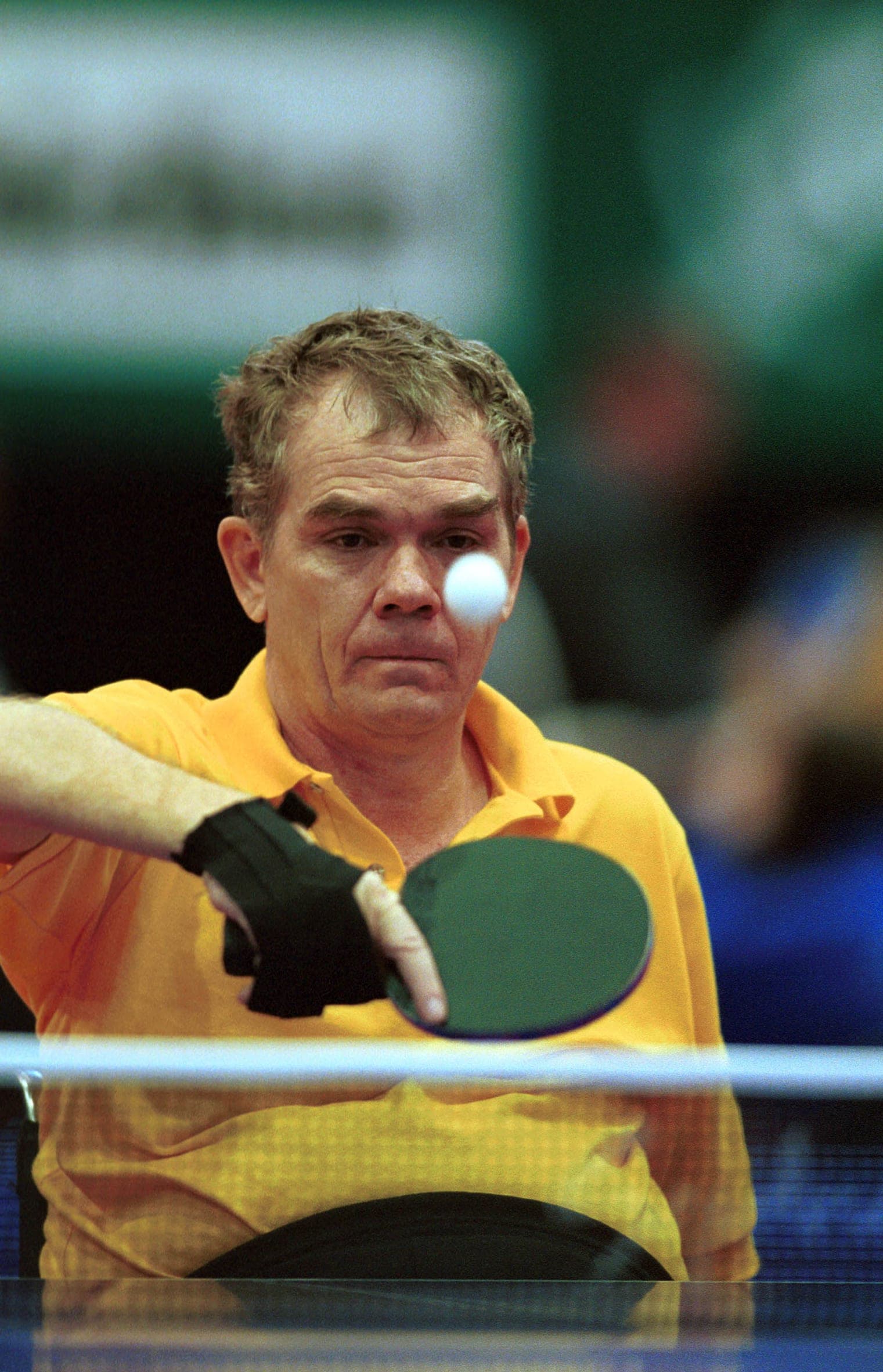
Table Tennis
A fast, low-impact indoor racquet sport that sharpens reflexes and is easy to start.
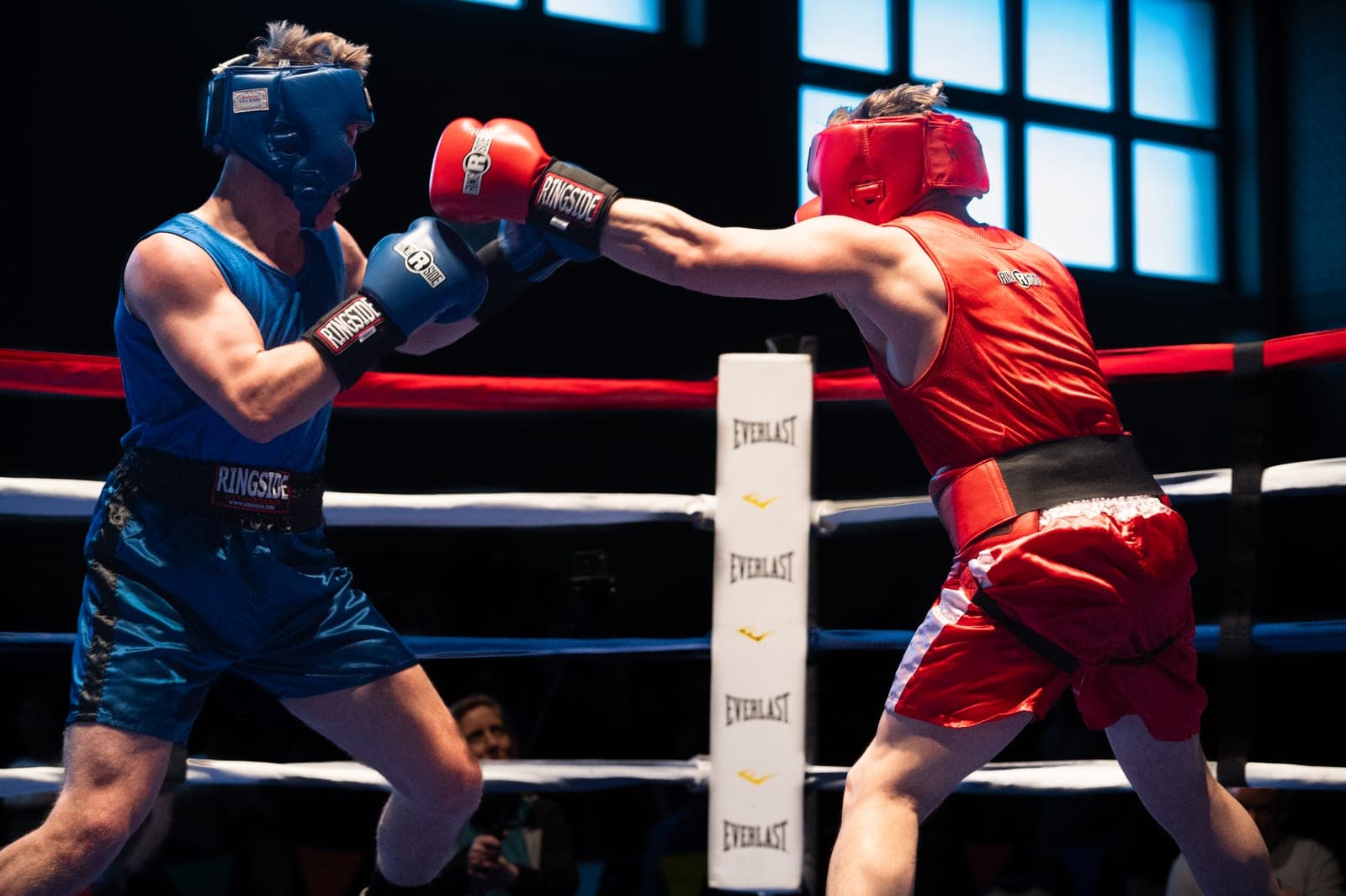
Boxing
A striking combat sport built on footwork, timing and conditioning, practised from fitness drills to controlled sparring.
How it connects
The meaning-bearing relationships that place Walkover in the wider knowledge graph — each one with the reason it exists.
Commonly confused with
Close enough to be mixed up — the distinction is worth knowing.
Explore across the knowledge base
Follow the threads that connect Walkover to the rest of SocialSportHub.
Tactics
Skills
Scoring systems
Techniques
- Badminton SmashA powerful, steeply downward overhead stroke that drives the shuttlecock sharply into the opponent's court to win the rally.
- Movement and recovery in tennisWhy tennis footwork is mostly about getting back rather than getting there — the split step, the recovery position that is not the centre of the court, and sliding on clay.
- Flat, slice and kick servesThe three serves and what actually separates them — the contact point on the ball and the toss that makes it possible — plus what each one does to the ball after it bounces.
- The cricket driveCricket's foundational attacking stroke, played straight down the ground or through the off side — the cover, straight and on drive, and the length that makes each one available.
Rules
- Penalty kick awardA one-on-one kick against the goalkeeper awarded when a defending player commits a direct-free-kick foul inside their own penalty area.
- Direct and indirect free kicksThe two types of free kick awarded in football to restart play after a foul or other stoppage.
- Off-side in ice hockeyThe rule that stops attackers waiting in the attacking zone — where exactly the blue line is crossed, why skates and not sticks decide it, and what a delayed off-side means.
- Personal fouls and free throwsThe basketball rules covering illegal contact and the uncontested shots awarded when a player is fouled.
Go deeper with Walkover
Everywhere else on the platform that covers Walkover — assembled from what actually references it, so nothing here is a dead end.
Take it away
Open data and the whole-platform view of this subject.
How this page is maintained
- Content type
- Term
- Provenance
- Tier A — evergreen educational
- Verified external sources
- 0
- Content updated
- 2026-09-01
Evergreen, first-party explanation — it makes no claim that needs an external source. How we handle sources and reviews.