
Forfeit
The loss of a contest awarded against a side that breaks rules, withdraws, or cannot field a valid team.
Definition
A forfeit is a result imposed on a team or player unable or unwilling to complete a fixture under the rules, for example by failing to field enough players, breaching eligibility rules, refusing to continue, or being disqualified. The opponent is credited with the win, often by a standard "default" scoreline set by the competition's regulations.
Unlike a walkover, which usually reflects a pre-match withdrawal with no play, a forfeit can be applied before or during a match and often carries a penalty element such as a fixed 3-0 or 20-0 result, a points deduction, or a fine. Because governing bodies define the exact consequences, the recorded score after a forfeit may not reflect what actually happened in play.
Where you’ll hear “forfeit”
Sports that use this term:

Football
The world’s most popular team sport — endless running, teamwork and community in one game.

Basketball
A fast, dynamic team sport of running, jumping and quick decisions on court.

Volleyball
A non-contact team sport of rallies, jumps and teamwork — indoors or on the beach.

Tennis
A singles or doubles racquet sport that blends agility, strategy and stamina on court.
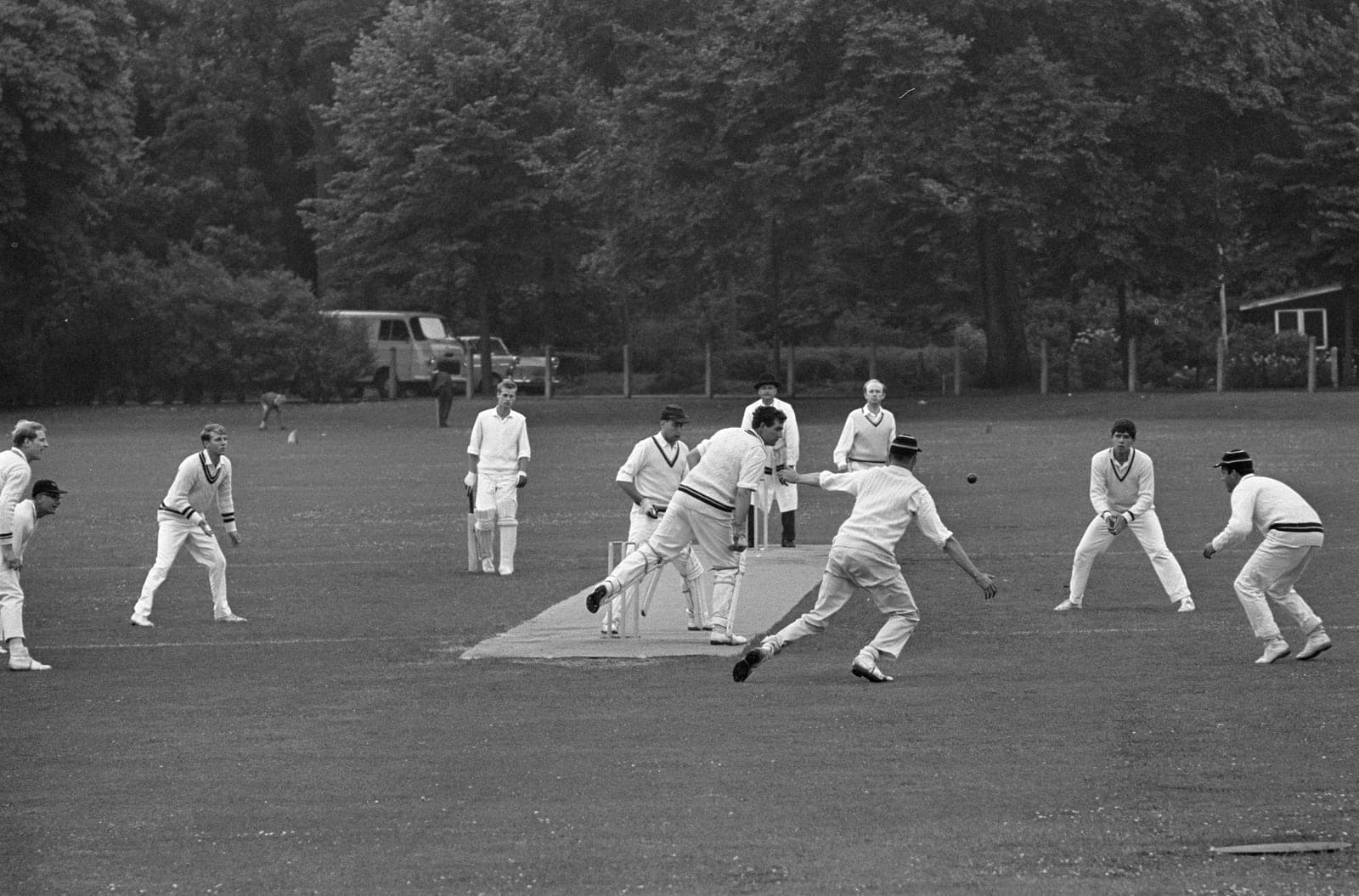
Cricket
A bat-and-ball team sport where sides take turns to bat and to bowl and field, scoring runs.
How it connects
The meaning-bearing relationships that place Forfeit in the wider knowledge graph — each one with the reason it exists.
Commonly confused with
Close enough to be mixed up — the distinction is worth knowing.
Explore across the knowledge base
Follow the threads that connect Forfeit to the rest of SocialSportHub.
Rules
- Penalty kick awardA one-on-one kick against the goalkeeper awarded when a defending player commits a direct-free-kick foul inside their own penalty area.
- Direct and indirect free kicksThe two types of free kick awarded in football to restart play after a foul or other stoppage.
- Alpine race gatesIn alpine ski racing the course is defined by pairs of poles, and a racer must pass through every gate to record a valid run.
- Personal fouls and free throwsThe basketball rules covering illegal contact and the uncontested shots awarded when a player is fouled.
- The maulThe contest for a ball held off the ground in rugby union — how a maul differs from a ruck, why that difference changes what players may legally do, and why it is a driving weapon.
Go deeper with Forfeit
Everywhere else on the platform that covers Forfeit — assembled from what actually references it, so nothing here is a dead end.
Take it away
Open data and the whole-platform view of this subject.
How this page is maintained
- Content type
- Term
- Provenance
- Tier A — evergreen educational
- Verified external sources
- 0
- Content updated
- 2026-09-01
Evergreen, first-party explanation — it makes no claim that needs an external source. How we handle sources and reviews.