
Jersey
The shirt or top worn by a player, typically in team colours with a number, and in cycling a marker of race leadership.
Definition
A jersey is the shirt or top a player wears in competition, usually made of lightweight, breathable fabric and bearing the team's colours, a squad number and often a name and sponsor. It is a core part of team kit in sports such as football, basketball, rugby and volleyball.
In cycling the word also has a competitive meaning, where distinctively coloured jerseys are worn by the riders leading particular classifications in a stage race. Beyond identifying players and teams, jerseys are widely sold as replica merchandise to supporters.
Where you’ll hear “jersey”
Sports that use this term:

Football
The world’s most popular team sport — endless running, teamwork and community in one game.

Basketball
A fast, dynamic team sport of running, jumping and quick decisions on court.

Cycling
A low-impact endurance sport that doubles as transport, exercise and adventure.
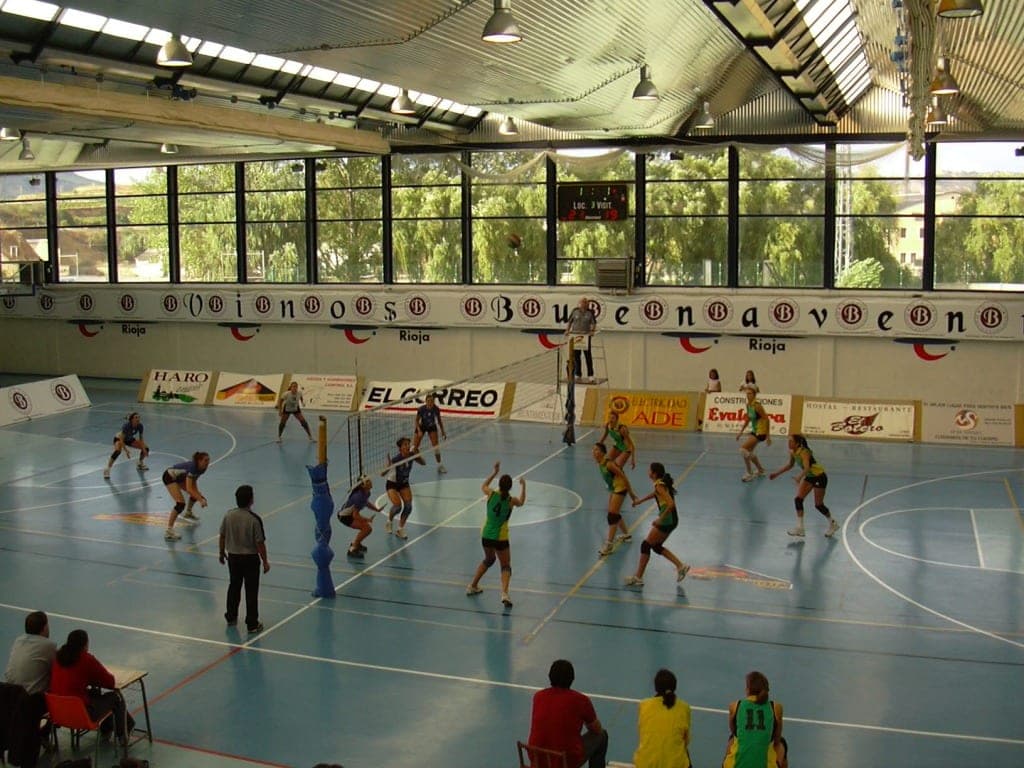
Volleyball
A non-contact team sport of rallies, jumps and teamwork — indoors or on the beach.
Explore across the knowledge base
Follow the threads that connect Jersey to the rest of SocialSportHub.
Positions
- HookerThe hooker is a front-row forward in rugby who wins the ball in the scrum and typically throws the ball into the line-out.
- LiberoThe libero is a defensive volleyball specialist who wears a contrasting shirt, plays only in the back row, and cannot attack the ball above the height of the net.
- Fly-halfThe fly-half is rugby’s chief decision-maker and tactical kicker, directing the backline and controlling how the team attacks.
Sports communication
Tactics
Go deeper with Jersey
Everywhere else on the platform that covers Jersey — assembled from what actually references it, so nothing here is a dead end.
Take it away
Open data and the whole-platform view of this subject.
How this page is maintained
- Content type
- Term
- Provenance
- Tier A — evergreen educational
- Verified external sources
- 0
- Content updated
- 2026-09-01
Evergreen, first-party explanation — it makes no claim that needs an external source. How we handle sources and reviews.