Inclusive Sport
An approach to sport designed so that disabled and non-disabled people can take part together or side by side.
Definition
Inclusive sport describes designing and delivering activities so that people of different abilities, including disabled and non-disabled participants, can play together, in adapted formats, or alongside one another with equal value. It focuses on removing barriers, whether physical, social, or organisational, through flexible rules, adapted equipment, and welcoming coaching.
A common framework distinguishes options such as open activity, modified activity, parallel activity, and disability-specific activity, letting organisers choose the model that best fits the group. The goal is meaningful participation and choice rather than a single fixed method, so that everyone can take part in a way that is challenging and rewarding for them.
Where you’ll hear “inclusive sport”
Sports that use this term:

Fitness
Strength and general fitness training — the foundation that supports every other sport.
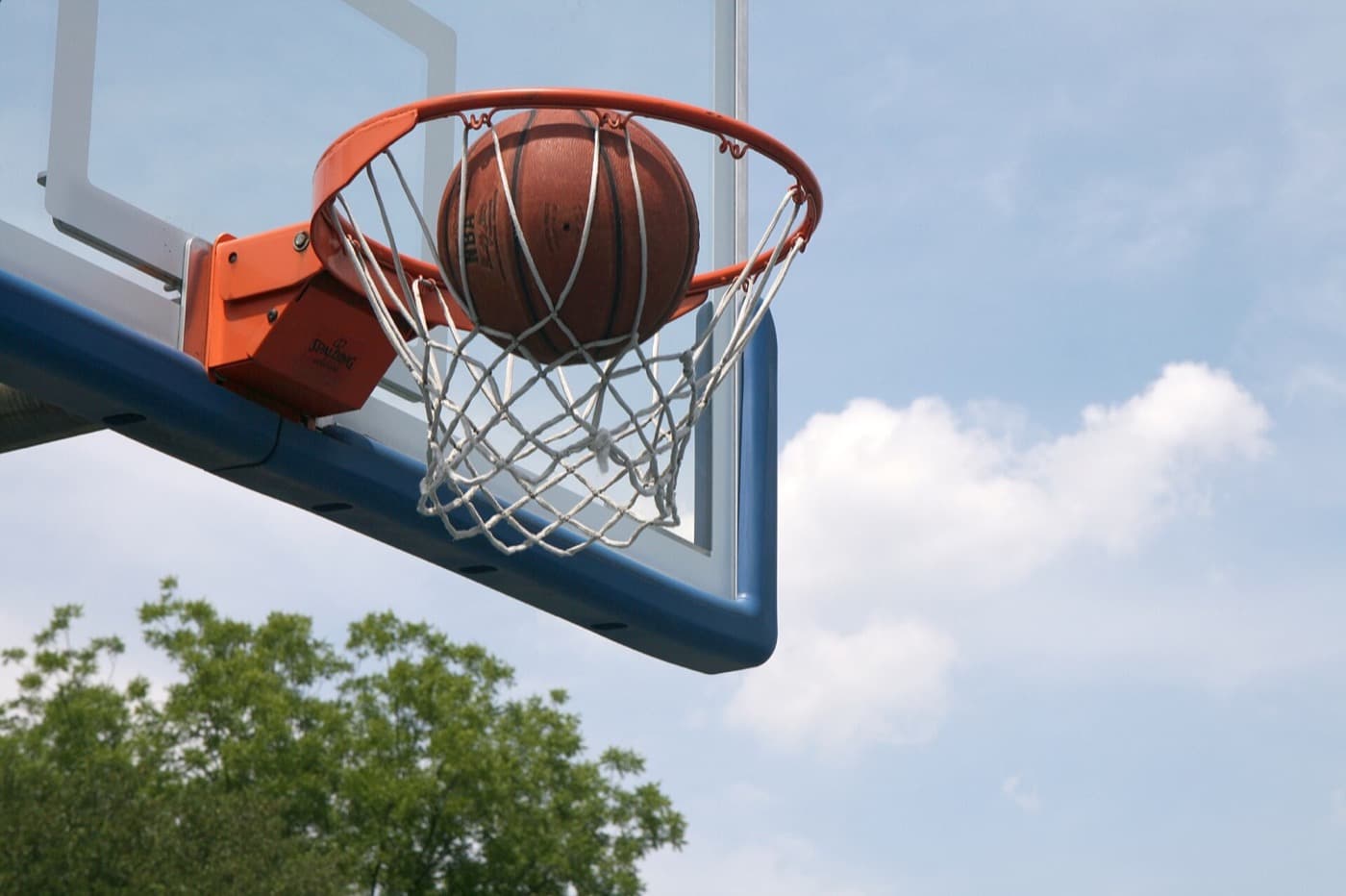
Basketball
A fast, dynamic team sport of running, jumping and quick decisions on court.

Football
The world’s most popular team sport — endless running, teamwork and community in one game.
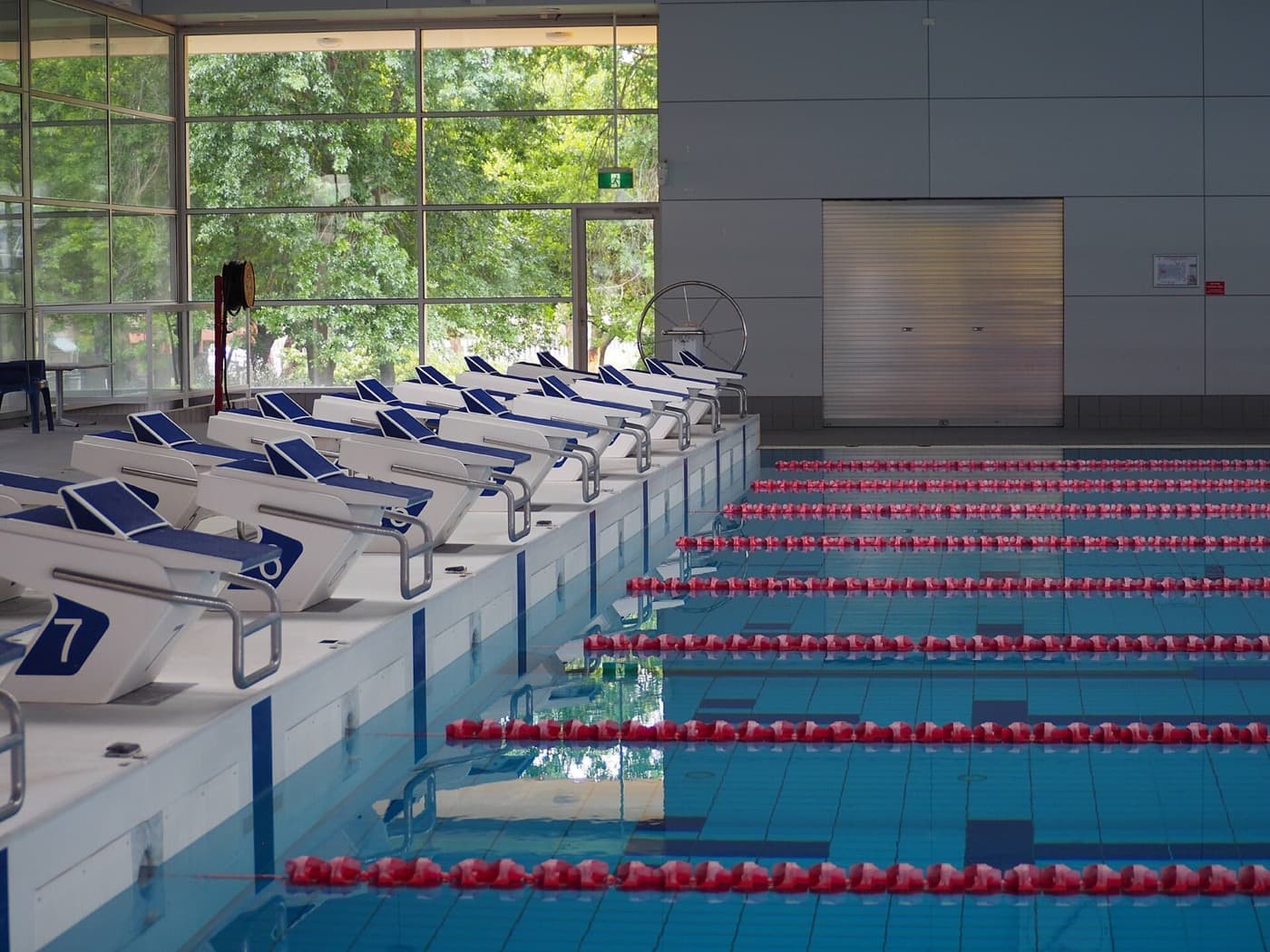
Swimming
A full-body, low-impact endurance sport suitable for almost every age and ability.
Explore across the knowledge base
Follow the threads that connect Inclusive Sport to the rest of SocialSportHub.
Adaptive sports
- Inclusive sportsSport designed or delivered so that disabled and non-disabled people can play together, side by side, in the same activity.
- Disability and sportAn overview of how disabled people take part in sport — for health, enjoyment, community and competition — and the ideas that support inclusion.
- Inclusive facilitiesSports venues designed or adapted so that disabled and non-disabled people can arrive, take part and feel welcome on equal terms.
- Adaptive sportsSport adjusted in its equipment, rules or format so that people with disabilities can take part, compete and enjoy it.
- Accessibility in sportHow sport removes barriers — physical, sensory, social and informational — so that disabled people can take part on equal terms.
Go deeper with Inclusive Sport
Everywhere else on the platform that covers Inclusive Sport — assembled from what actually references it, so nothing here is a dead end.
Take it away
Open data and the whole-platform view of this subject.
How this page is maintained
- Content type
- Term
- Provenance
- Tier A — evergreen educational
- Verified external sources
- 0
- Content updated
- 2026-09-01
Evergreen, first-party explanation — it makes no claim that needs an external source. How we handle sources and reviews.