
Coordination & timing skills
Skills that depend on doing the right thing at the right instant — jumping, spiking, heading and rebounding.
Some skills are less about strength or control and more about timing: meeting the ball at the top of a jump, spiking at the right instant, timing a header or a rebound. Do them a fraction early or late and they fall apart; time them well and they look effortless.
They blend coordination, balance and reading the flight of the ball, so they improve alongside those underlying qualities and through lots of live, unpredictable repetition rather than a fixed drill.
The skills in this family
In a sensible order to learn them — open any skill for a clear, beginner-friendly guide.
- 1
Jumping
The skill of leaping powerfully and with timing to reach or contest the ball in the air.
- 2
Spiking
The volleyball skill of jumping and striking the ball forcefully down into the opponent’s court.
- 3
Heading
The skill of directing the ball with the head to pass, clear or attempt to score.
- 4
Rebounding
The basketball skill of gaining the ball after a missed shot — positioning and timing decide it far more often than pure jumping height.
- 5
Footwork
The skill of moving efficiently around the playing area to be in position for each shot or action.
Sports that use these skills
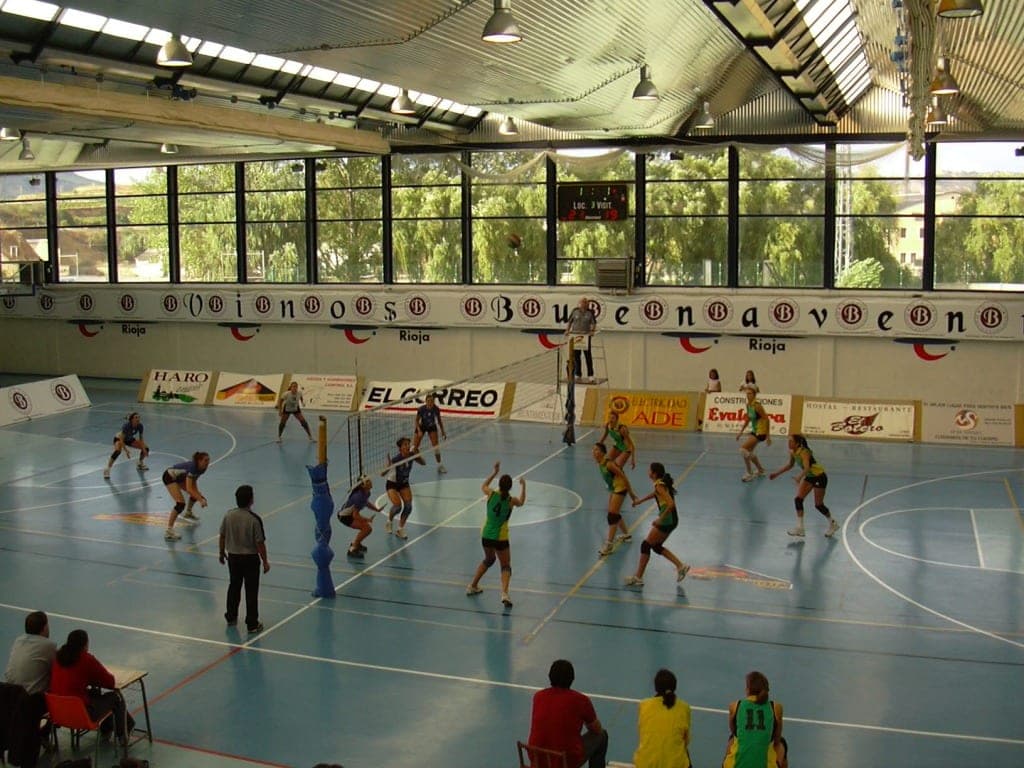
Volleyball
A non-contact team sport of rallies, jumps and teamwork — indoors or on the beach.
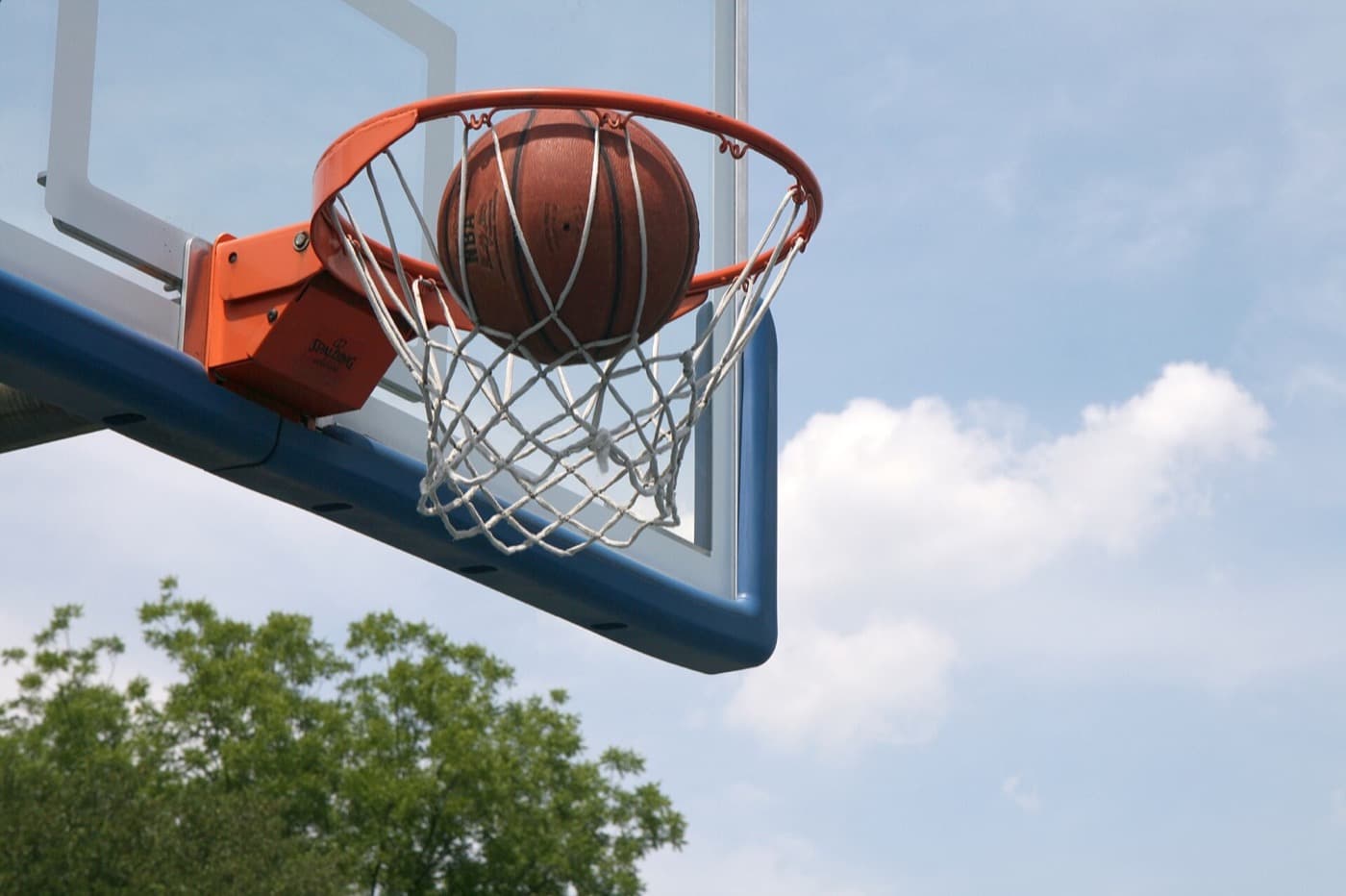
Basketball
A fast, dynamic team sport of running, jumping and quick decisions on court.
Football
The world’s most popular team sport — endless running, teamwork and community in one game.
Other skill collections
How it connects
The meaning-bearing relationships that place Coordination & timing skills in the wider knowledge graph — each one with the reason it exists.
Broader than
A wider grouping that contains these.
- JumpingJumping is one of the 5 skills in the Coordination & timing skills collection.
- SpikingSpiking is one of the 5 skills in the Coordination & timing skills collection.
- HeadingHeading is one of the 5 skills in the Coordination & timing skills collection.
- ReboundingRebounding is one of the 5 skills in the Coordination & timing skills collection.
- FootworkFootwork is one of the 5 skills in the Coordination & timing skills collection.
Explore across the knowledge base
Follow the threads that connect Coordination & timing skills to the rest of SocialSportHub.
Glossary
- HeaderPlaying the ball with the head in football, to shoot, pass or clear it.
- Give-and-goA two-player move where a player passes to a teammate and immediately runs into space to receive an instant return pass.
- CoordinationThe ability to combine movements of different body parts smoothly and accurately to produce an intended action.
Physical qualities
How this page is maintained
- Content type
- Skill collection
- Provenance
- Tier A — evergreen educational
- Verified external sources
- 0
- Content updated
- 2026-07-12
Evergreen, first-party explanation — it makes no claim that needs an external source. How we handle sources and reviews.
A way to organise, not a ranking
Learn the family, then the sport
Understand a family of skills, then follow it into the sports and learning paths that use them.