
Periodisation
Periodisation is the planned division of training into phases so that workload and focus are varied to peak performance at the right time.
Definition
Periodisation is the long-term structuring of a training programme into cycles, commonly a macrocycle (a season or year), mesocycles (blocks of a few weeks), and microcycles (individual weeks). Each phase emphasises different qualities, such as building an aerobic base, developing strength, or sharpening speed, and manages how hard and how much an athlete trains. The aim is to drive adaptation while managing fatigue so fitness rises without an unbroken accumulation of stress.
Models vary: linear periodisation shifts gradually from high volume and low intensity toward low volume and high intensity, while undulating (non-linear) models vary the emphasis more frequently, sometimes within a single week. Deload weeks and a pre-competition taper are typical tools within a periodised plan. The concept is central to coaching because it links day-to-day sessions to a defined competitive goal.
Where you’ll hear “periodisation”
Sports that use this term:
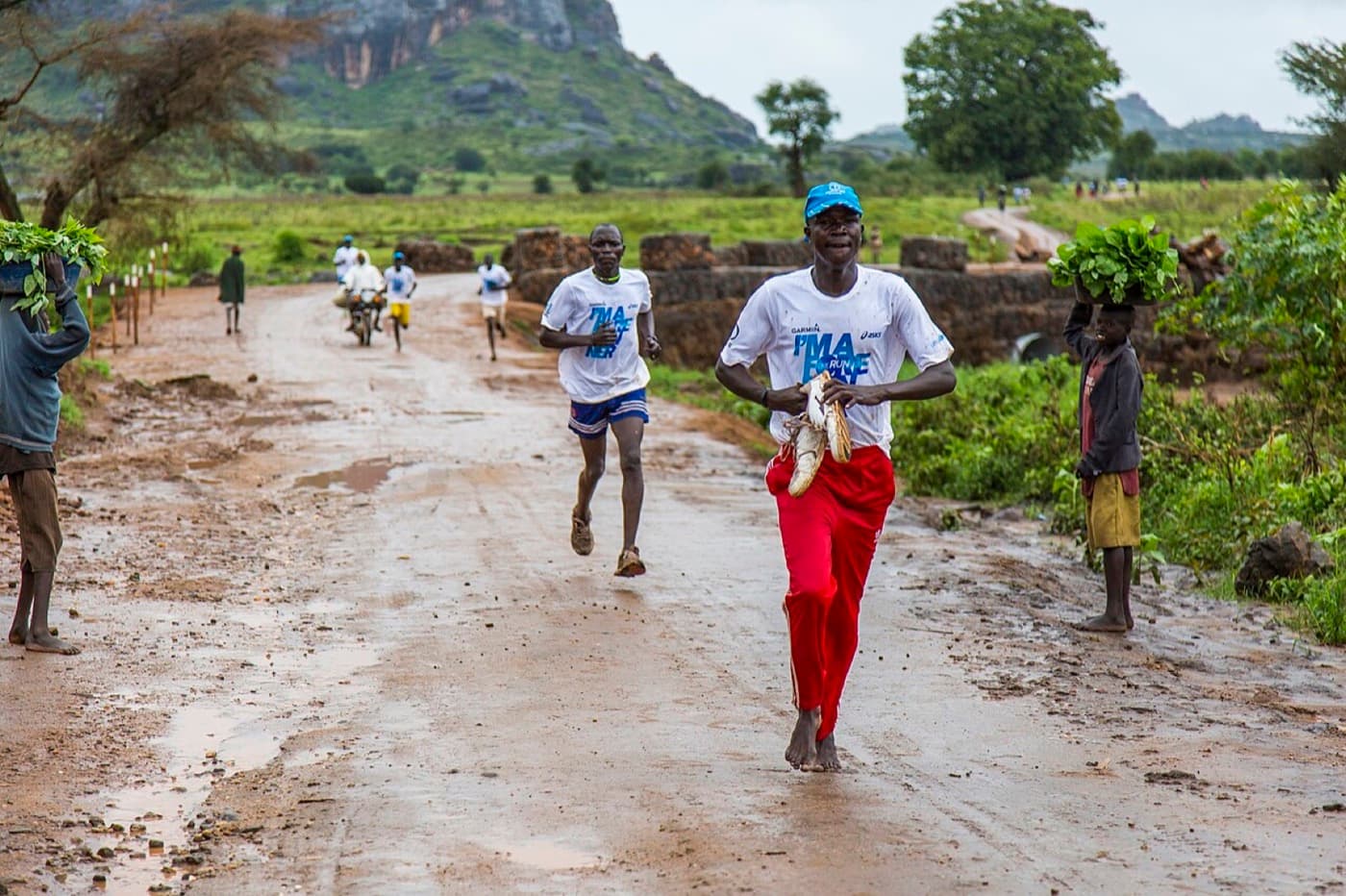
Running
The most accessible endurance sport — no venue, just shoes and the open road or trail.
Cycling
A low-impact endurance sport that doubles as transport, exercise and adventure.
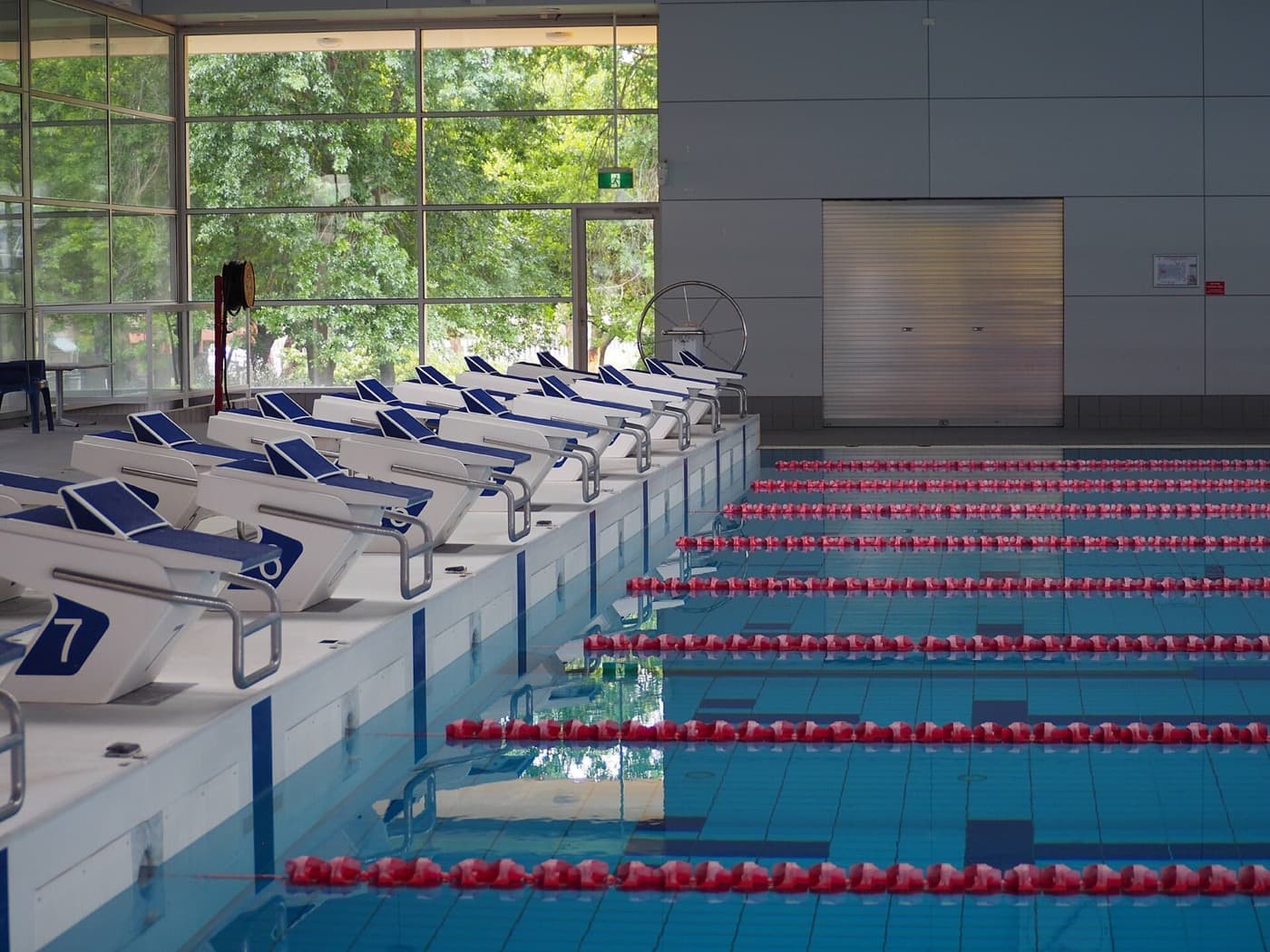
Swimming
A full-body, low-impact endurance sport suitable for almost every age and ability.

Fitness
Strength and general fitness training — the foundation that supports every other sport.
Explore across the knowledge base
Follow the threads that connect Periodisation to the rest of SocialSportHub.
Training methods
- PeriodisationPeriodisation is the practice of organising training into phases across weeks and months, varying the focus so you build steadily and peak at the right time.
- Circuit TrainingCircuit training moves you through a series of stations back to back with little rest, blending strength and cardio into one time-efficient session.
- High-Intensity Interval Training (HIIT)High-intensity interval training, or HIIT, packs short, hard efforts against brief recoveries into a compact session, making it a time-efficient way to train.
- Progressive OverloadProgressive overload is the principle of gradually increasing the demand you place on your body so it keeps adapting and improving over time.
- Tempo TrainingTempo training holds a firm, controlled 'comfortably hard' pace for a sustained stretch, teaching the body to sustain effort without tipping into a sprint.
Coaching concepts
- Session StructureHow a practice session is organised into phases — warm-up, main focus, game application and cool-down — so time is used well and learning sticks.
- Transfer of TrainingWhether practice carries over to real performance — and why game-like, varied practice tends to transfer better than isolated, repetitive drills.
- Decision-Making PracticeTraining athletes to read cues and choose the right action under pressure — coupling perception to action, not just rehearsing physical technique in isolation.
Sports science
- Training variationThe idea that changing elements of training over time helps keep the body responding and keeps training sustainable.
- Training adaptationThe process by which the body changes in response to repeated training — the underlying reason exercise makes you fitter, stronger or more skilful over time.
- Managing fatigue and loadThe educational idea of balancing how much training you do against how well you recover, so effort turns into progress rather than into excess fatigue.
- Reaction timeThe short delay between a signal and the start of the movement made in response to it.
Goals
- Return to sportEasing back into activity after time away, a long break or a period off through injury.
- DisciplineBuild consistency, focus and self-discipline through the routines that sport and training encourage.
- Build muscleChallenge your muscles with regular resistance training and steady recovery to build strength over time.
- Improve reaction speedRespond faster to what you see, hear and feel by training with fast, unpredictable activities and drills.
Motivations
- To get better at my sportWhen you already play and want to improve, structured practice, coaching concepts and targeted training turn effort into measurable progress.
- To spend time as a familyWhen the aim is shared time, activities the whole family can do together turn being active into a way to connect across ages.