
Racket String Tension
The tightness at which a racket's strings are strung, usually measured in pounds or kilograms, which shapes the balance between power and control.
Definition
Racket string tension refers to how tightly the strings are pulled and held in the frame when a racket is strung, and it is normally expressed in pounds (lb) or kilograms (kg). Because the strings form the surface that contacts the ball or shuttle, their tension strongly influences how the racket feels and behaves on impact.
As a general rule, lower tension lets the string bed flex more and act like a trampoline that returns extra energy, favouring power, while higher tension flattens the response for a firmer, more predictable feel that favours control. The ideal figure varies by player, string type and racket, and strings gradually lose tension with use, which is why players restring periodically.
Scope: Recommended tension ranges differ by sport and racket; the racket manufacturer's stated range should be followed.
Where you’ll hear “racket string tension”
Sports that use this term:
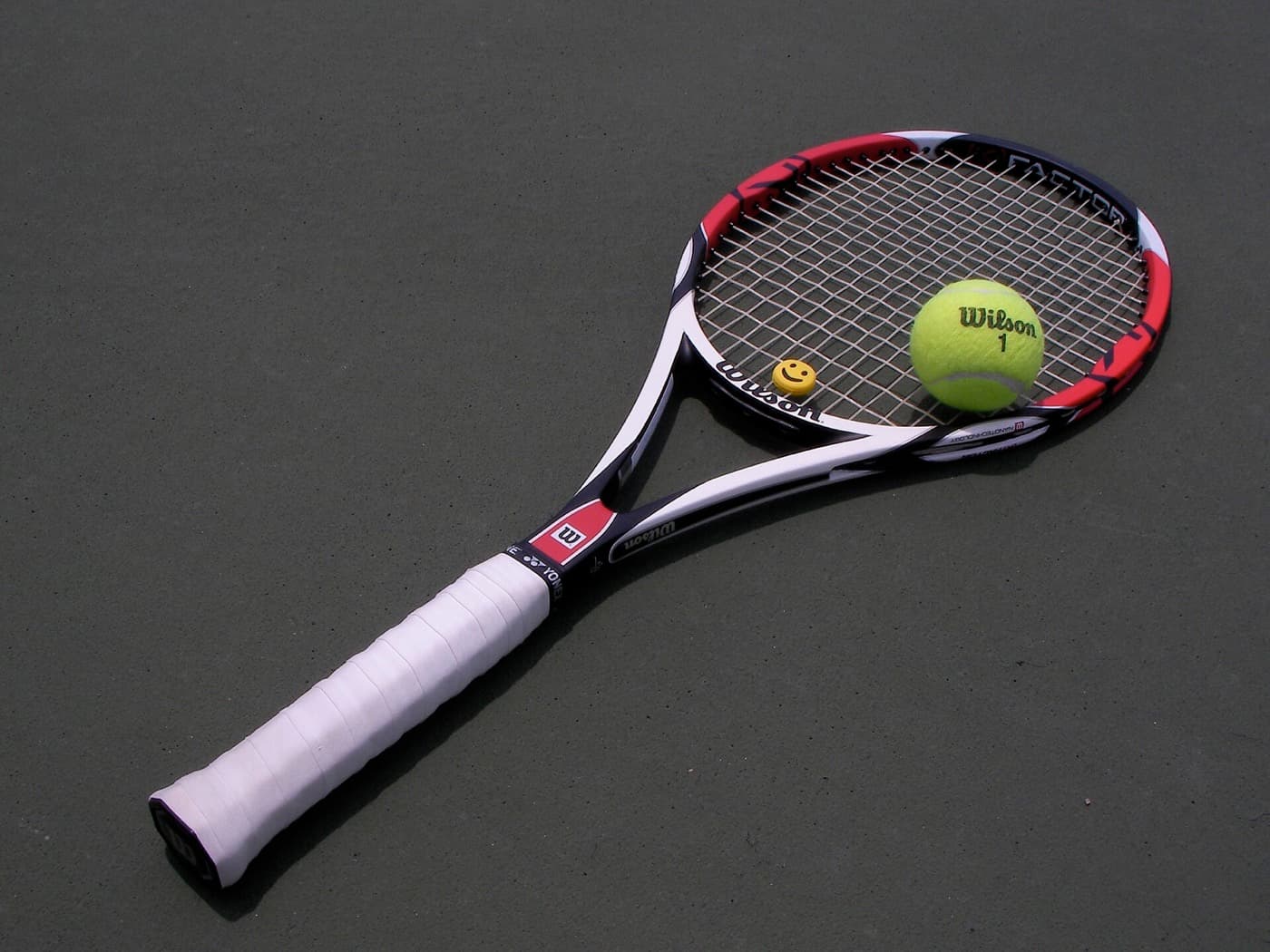
Tennis
A singles or doubles racquet sport that blends agility, strategy and stamina on court.
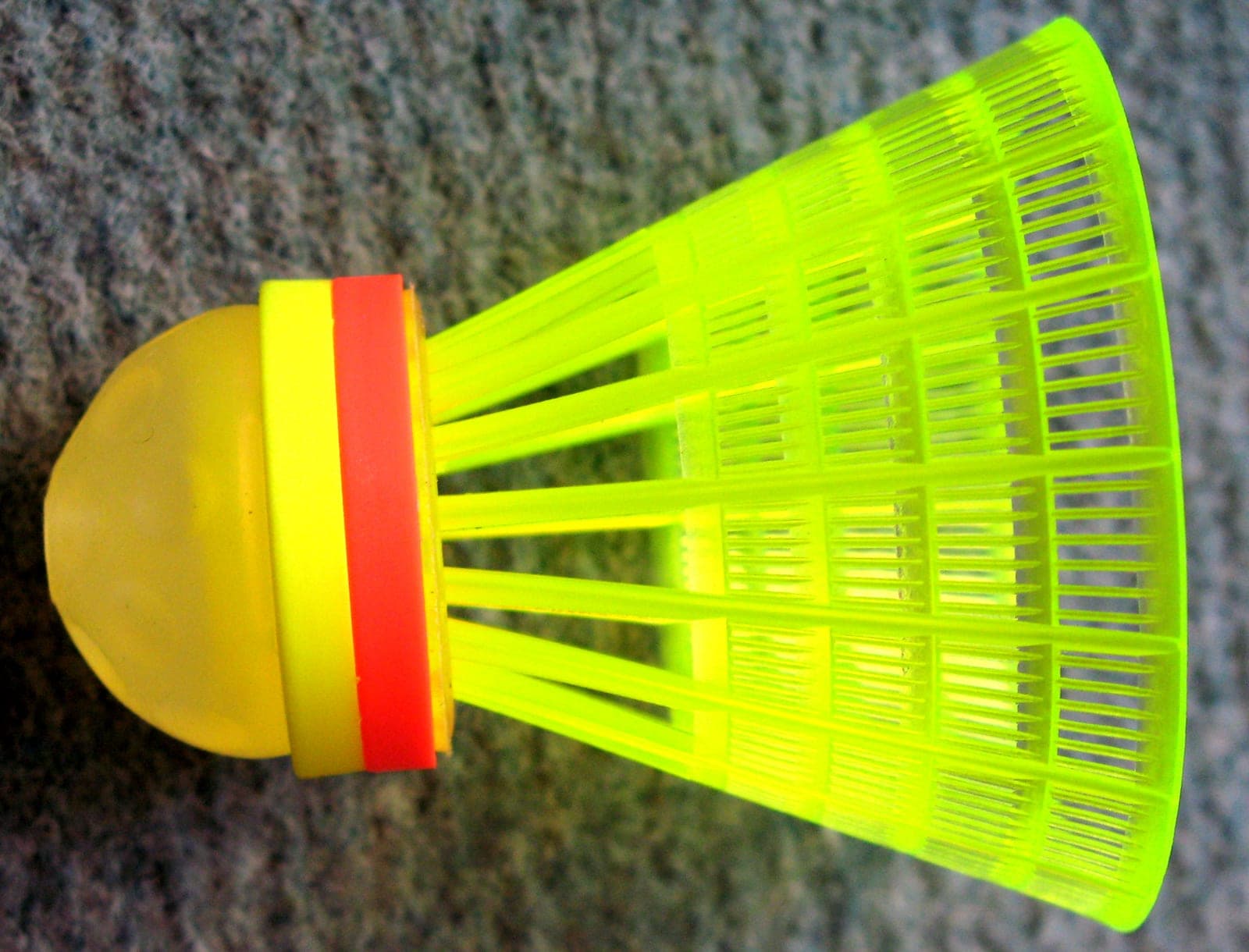
Badminton
A fast indoor racquet sport played with a shuttlecock that rewards agility and touch.
Squash
A fast, high-intensity indoor racquet sport played inside an enclosed court where the walls stay in play.
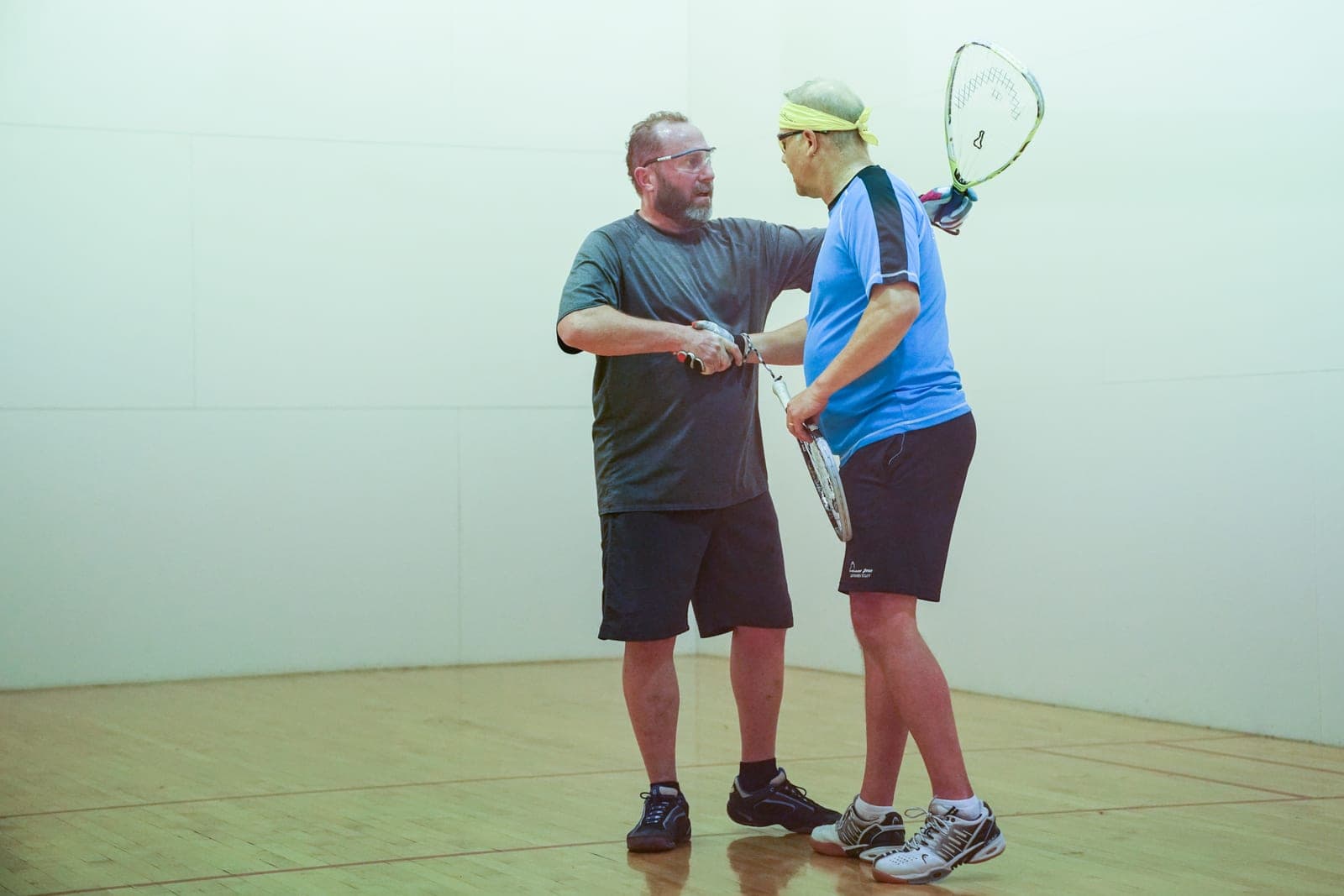
Racquetball
A lively indoor racquet sport played on an enclosed court where the walls, and often the ceiling, stay in play.
Explore across the knowledge base
Follow the threads that connect Racket String Tension to the rest of SocialSportHub.
Equipment
- Tennis racquetA strung frame with a handle, used to hit the ball in tennis. Head size, weight and balance vary to suit different playing styles.
- Badminton racketA lightweight strung racket used to hit the shuttlecock in badminton, built for quick, whippy swings rather than heavy power.
- What the Rules regulate about a tennis racketThe surprisingly short list of things the ITF fixes about a racket — a flat, uniform stringing pattern and no energy sources — and the two decided cases that settle what players may use.
- Squash racquetA slim strung racquet used to hit the ball against the walls in squash.
- Padel racketA solid, stringless racket perforated with holes, used to play padel. The lack of strings gives padel its distinctive shorter, flatter shots.
Skills Academy
Go deeper with Racket String Tension
Everywhere else on the platform that covers Racket String Tension — assembled from what actually references it, so nothing here is a dead end.
Take it away
Open data and the whole-platform view of this subject.
How this page is maintained
- Content type
- Term
- Provenance
- Tier A — evergreen educational
- Verified external sources
- 0
- Content updated
- 2026-09-01
Evergreen, first-party explanation — it makes no claim that needs an external source. How we handle sources and reviews.