
Half-volley
A strike made immediately after the ball bounces, contacting it just as it rises off the ground.
Definition
A half-volley is played at the earliest possible moment after the bounce — the racket, foot, or bat meets the ball a fraction of a second after it touches the surface, on the rise. In tennis it is a low, difficult pick-up usually taken near the service line while approaching the net; in football it is a strike of a dropping ball taken just after it bounces, producing a powerful, flat shot or clearance.
Timing is everything: contact too early and the ball has not bounced (a volley), too late and it has risen into a normal groundstroke. Good half-volley technique keeps the hitting surface firm and slightly closed, with a compact swing and a steady head, because there is little time to adjust. Cricket uses the term for a delivery that pitches ideally for a drive, just short of a full toss.
Meaning by sport
This term is used differently across sports:
- Tennis
- A ball taken just after it bounces, on the rise, typically played low near the net.
- Football
- A shot or clearance struck immediately after the ball bounces.
- Cricket
- A delivery that pitches just short of the batter's reach, easy to drive.
Where you’ll hear “half-volley”
Sports that use this term:
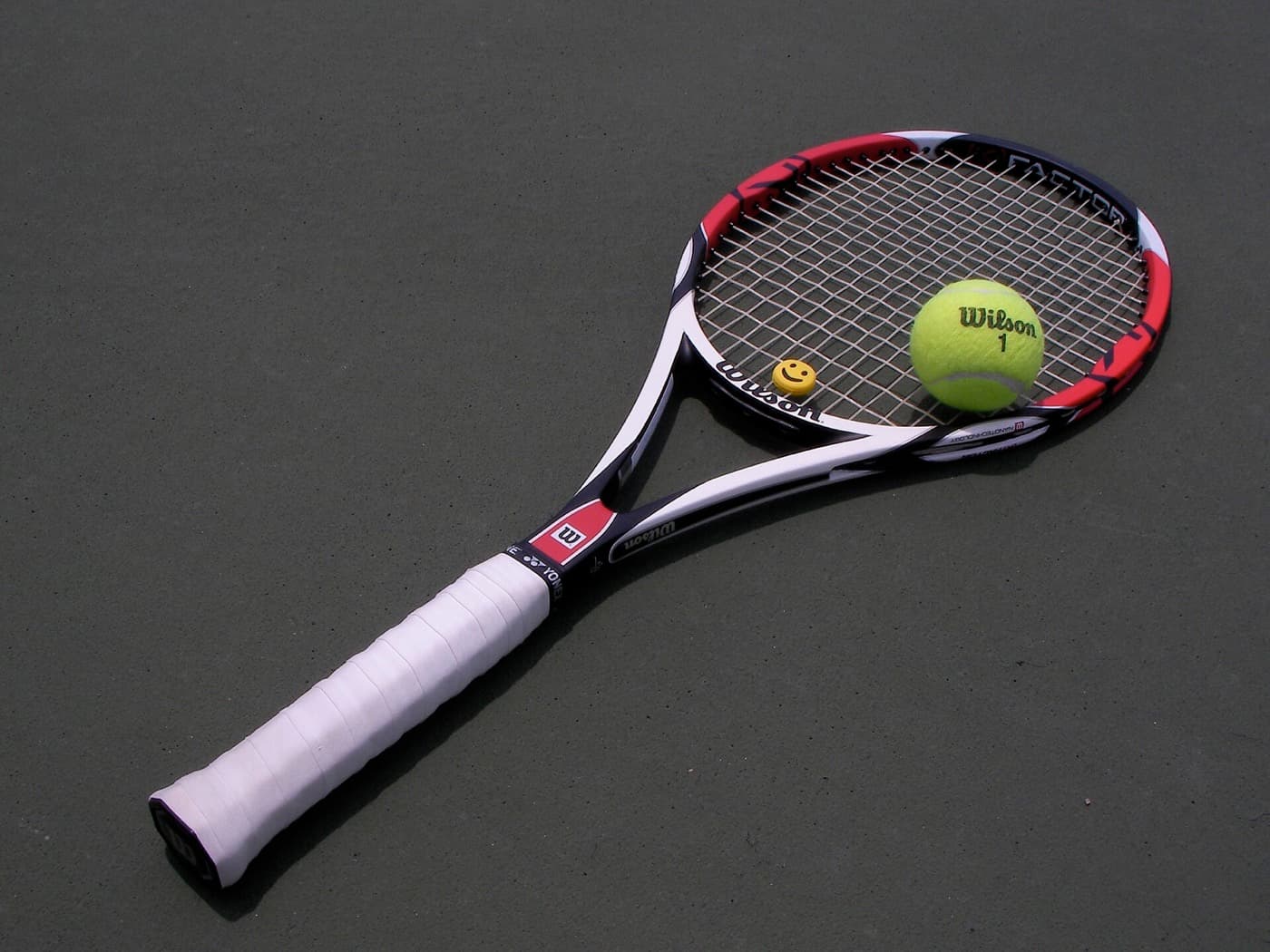
Tennis
A singles or doubles racquet sport that blends agility, strategy and stamina on court.

Football
The world’s most popular team sport — endless running, teamwork and community in one game.
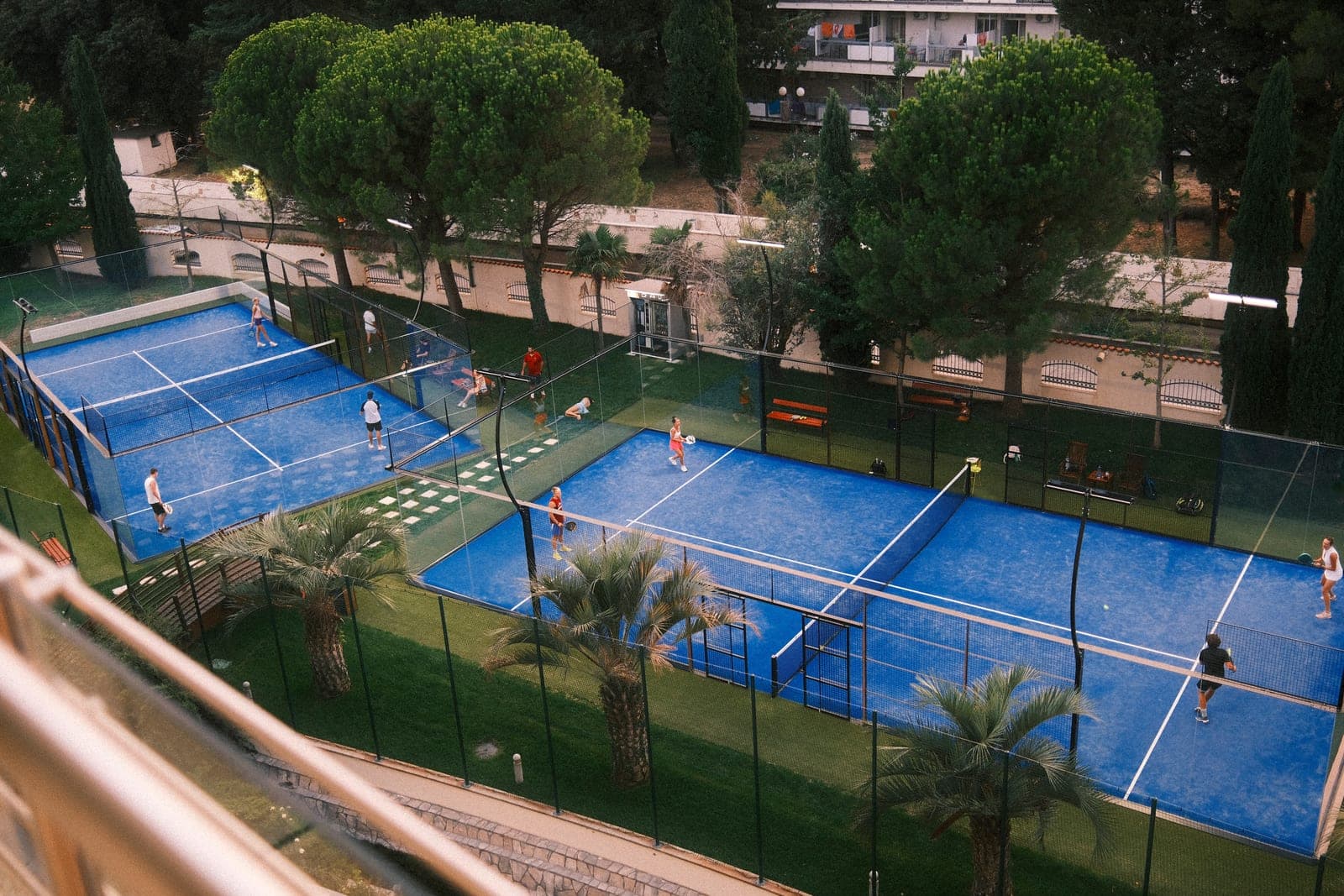
Padel
A sociable, doubles-first racquet sport played in an enclosed court where the walls stay in play.
Explore across the knowledge base
Follow the threads that connect Half-volley to the rest of SocialSportHub.
Techniques
- VolleyA shot played near the net by blocking the ball out of the air before it bounces, using a short, firm punch rather than a full swing.
- Flat, slice and kick servesThe three serves and what actually separates them — the contact point on the ball and the toss that makes it possible — plus what each one does to the ball after it bounces.
- The cricket driveCricket's foundational attacking stroke, played straight down the ground or through the off side — the cover, straight and on drive, and the length that makes each one available.
- LayupA close-range basketball shot taken while moving toward the basket, laying the ball softly off the backboard or over the rim.
Equipment
- Football (soccer ball)A round, inflated ball used to play association football and futsal. Futsal uses a smaller, heavier ball that bounces far less on a hard court.
- Tennis ballA hollow rubber ball covered in felt used in tennis and related racquet sports.
- Golf teeA small peg pushed into the ground to raise the ball for the first shot on a hole.
- BasketballA large, inflated ball with a dimpled surface used to play basketball.
- VolleyballA soft, inflated ball struck with the hands and arms in volleyball, light enough to be played off the forearms without hurting.
Rules
- Backcourt violationA basketball rule breach for returning the ball into a team's own defensive half after it has crossed into the attacking half.
- Ball-handling faultsVolleyball faults for catching, carrying or double-contacting the ball rather than cleanly hitting it.
- Touching the netA net-play rule that penalises a player for contacting the net during a rally in net-divided sports.
- The maulThe contest for a ball held off the ground in rugby union — how a maul differs from a ruck, why that difference changes what players may legally do, and why it is a driving weapon.
Skills
- Net playThe skill of controlling points close to the net with volleys and touch shots.
- CatchingThe skill of cleanly securing a ball travelling through the air or off the ground.
- ReboundingThe basketball skill of gaining the ball after a missed shot — positioning and timing decide it far more often than pure jumping height.
Tactics
- Serve and volleyAn attacking tennis tactic where the server follows their serve to the net to finish the point with a volley.
- Approaching the netHow a point is moved forward — which balls justify an approach, why the approach is hit down the line, and the transition volley that has to be played from no-man's land.
Facilities
- Padel walls and enclosureThe feature that makes padel its own sport — the glass and mesh enclosure, the two permitted side-wall layouts, and why the wall material is specified by how the ball bounces off it.
- Padel courtAn enclosed court, much smaller than a tennis court, walled with glass and mesh so the ball can be played off the walls.
Go deeper with Half-volley
Everywhere else on the platform that covers Half-volley — assembled from what actually references it, so nothing here is a dead end.
Take it away
Open data and the whole-platform view of this subject.
How this page is maintained
- Content type
- Term
- Provenance
- Tier A — evergreen educational
- Verified external sources
- 0
- Content updated
- 2026-09-01
Evergreen, first-party explanation — it makes no claim that needs an external source. How we handle sources and reviews.