
Risk–reward shot selection
Weighing the gain from an aggressive shot against the cost of the miss before choosing which shot to play.
Overview
Every shot in a target sport offers a choice between a bolder line that pays off well and a safer one that rarely costs much. Risk–reward shot selection is the habit of pricing both sides of that choice before committing: not just how good the best outcome is, but how bad the likely miss is and how often it happens.
The answer changes with the situation. A pin tucked behind a bunker rewards accuracy but punishes a small miss heavily, so the same shot can be right when a player needs to make ground and wrong when protecting a good score. Experienced players pick the shot they can actually execute most of the time, not the one they can execute at their best.
Key points
- Price the miss, not just the reward — how bad is the likely bad outcome?
- Your realistic success rate matters more than your best-ever version of the shot.
- The score, the stage of the round and the trouble around the target all change the answer.
- The safe line is often only marginally worse in reward and much better in downside.
- A plan chosen before the shot is easier to commit to than one decided mid-swing.
Where it’s used
Sports that use risk–reward shot selection:
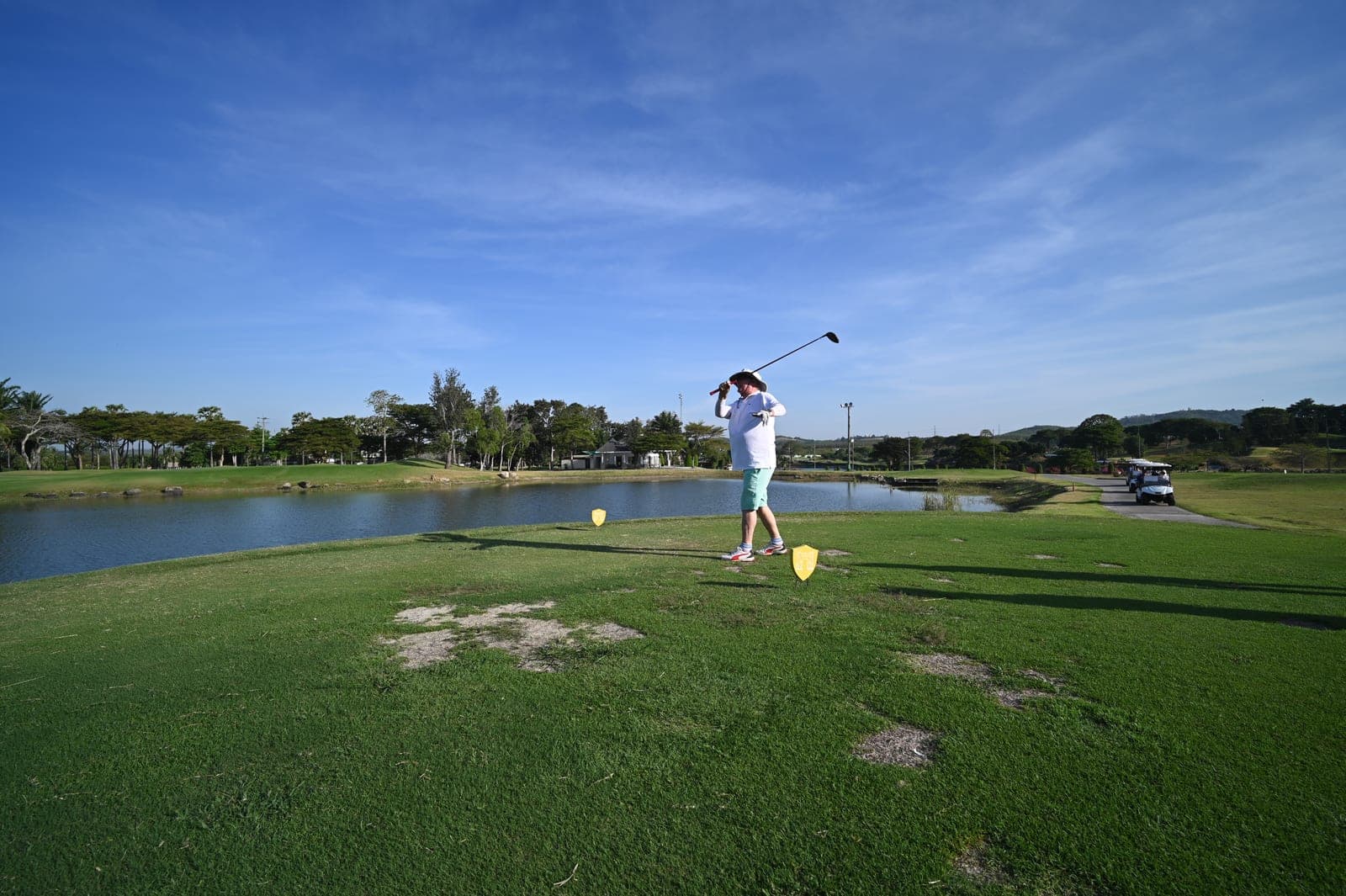
Golf
A precision target sport played across an outdoor course, blending skill, strategy and a long walk in the open air.
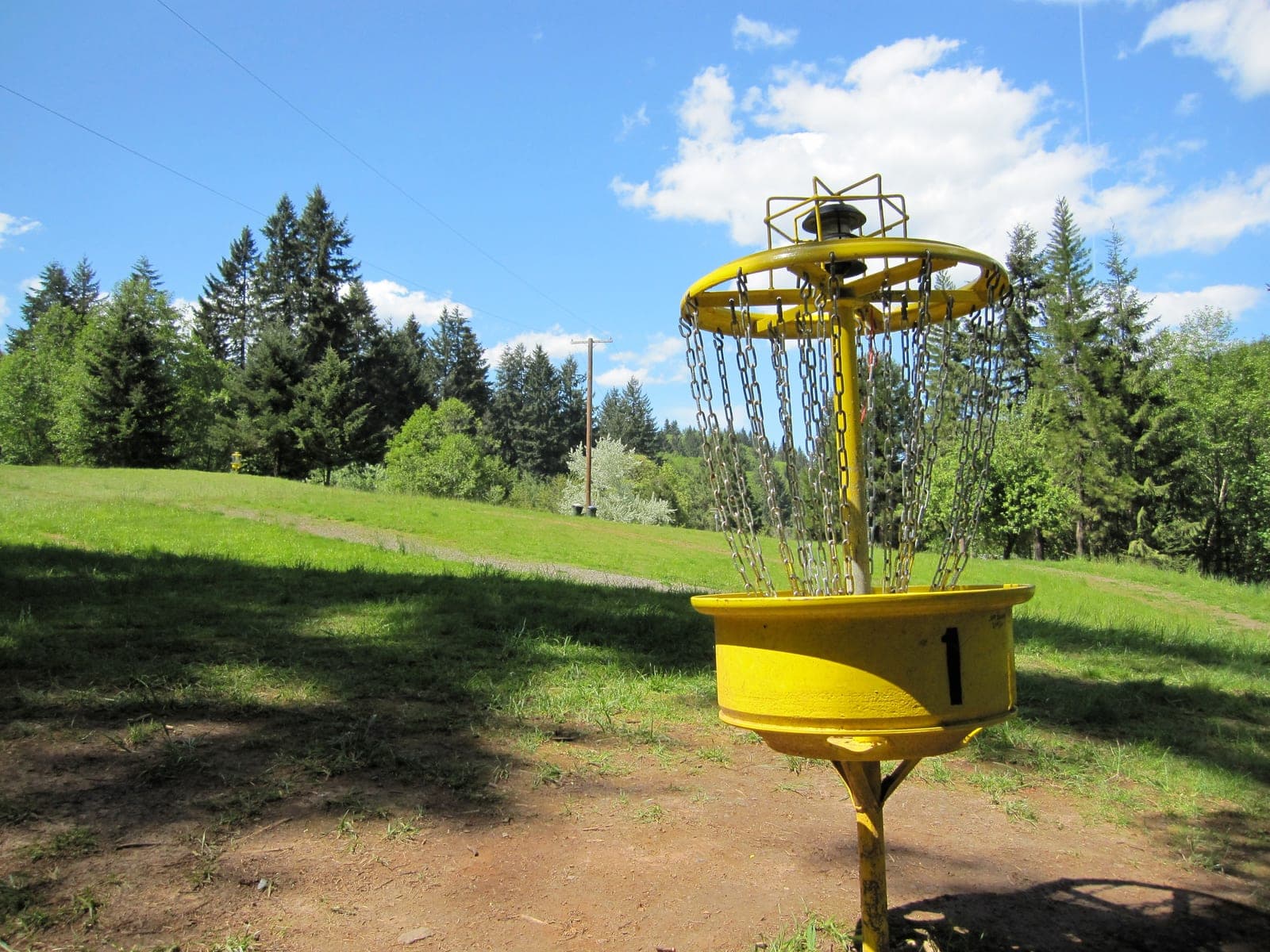
Disc Golf
A relaxed, low-cost target sport where players throw flying discs toward chain baskets across an outdoor course.
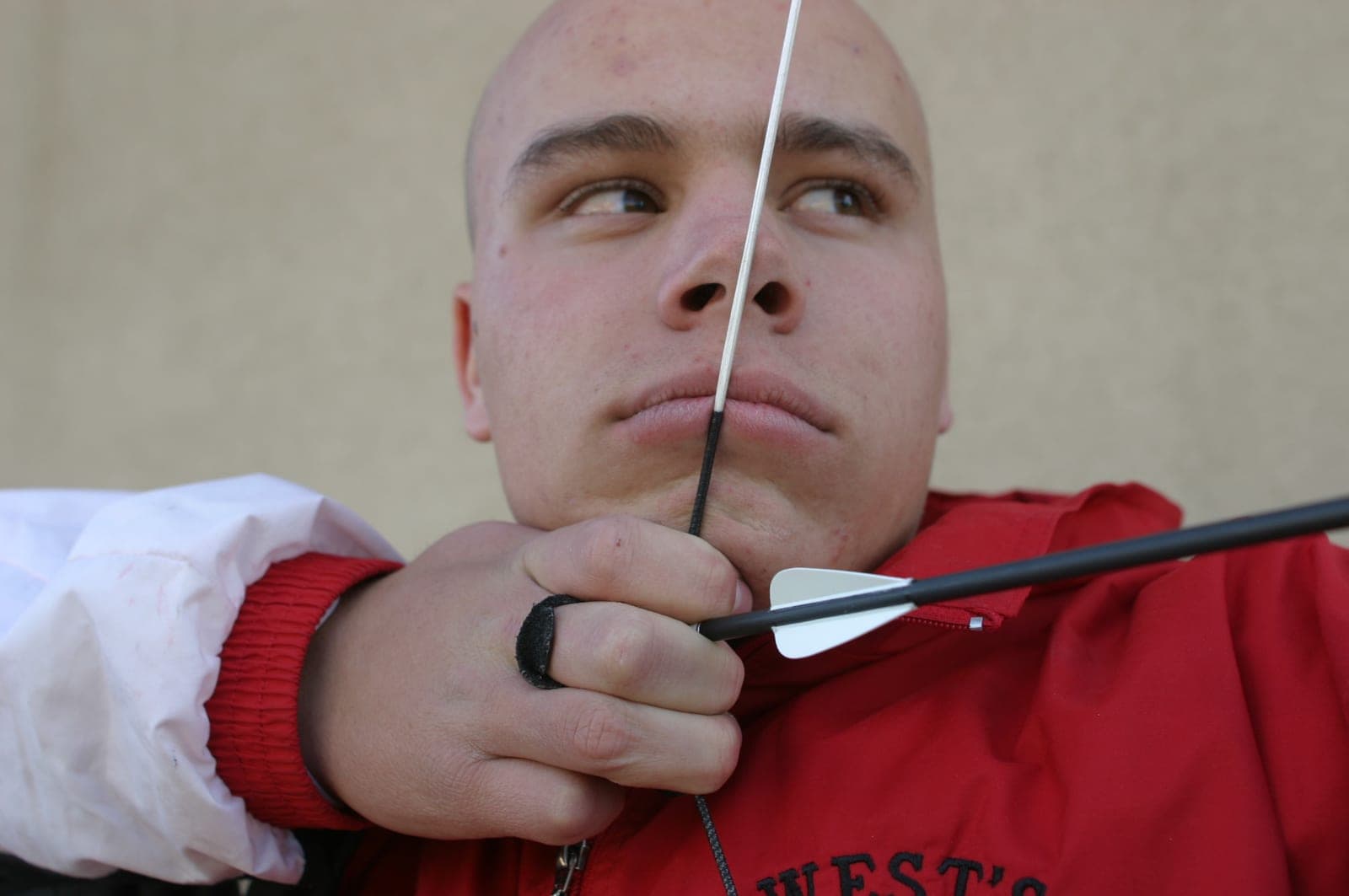
Archery
A precision target sport of drawing a bow and aiming at a target, rewarding focus, control and a steady hand.
How it connects
The meaning-bearing relationships that place Risk–reward shot selection in the wider knowledge graph — each one with the reason it exists.
Frequently learned together
Taught side by side in the same stage of a learning path.
Explore across the knowledge base
Follow the threads that connect Risk–reward shot selection to the rest of SocialSportHub.
Strategies
- Adapting to ConditionsAdapting to conditions is the strategy of shaping your game plan around the venue, surface, weather, altitude and home-or-away setting you face.
- Course ManagementPlaying a golf course to your own realistic game rather than to its hardest line, choosing targets and clubs that keep big numbers off the card.
- Playing the percentagesFavouring the higher-probability, lower-risk option most of the time to cut out unforced errors, while recognising when a calculated risk is worth taking.
- Attacking vs Defensive BalanceThe overarching choice a team or athlete makes about how much to commit to creating scoring chances versus avoiding conceding, and when to shift it.
Learning paths
Decision making
- Shot selectionChoosing which shot to play from the options available — weighing the situation, the risk and what you are trying to achieve.
- Risk assessmentWeighing what an action could gain against how likely it is to fail and what failure would cost — the judgement behind choosing a safe or an ambitious option.
- Pass selectionChoosing which pass to play, and to whom, from the options a moment offers — weighing space, risk and what the team is trying to do.
Go deeper with Risk–reward shot selection
Everywhere else on the platform that covers Risk–reward shot selection — assembled from what actually references it, so nothing here is a dead end.
Learn it
Structured courses and paths on the platform that cover this directly.
How this page is maintained
- Content type
- Tactic
- Provenance
- Tier A — evergreen educational
- Verified external sources
- 0
- Content updated
- 2026-09-12
Evergreen, first-party explanation — it makes no claim that needs an external source. How we handle sources and reviews.