
Continuous play and the time between points
What the ITF Rules say about pace of play — 25 seconds between points, 90 seconds at a changeover, 120 at a set break — and why tour rulebooks are a separate document.
Overview
As a principle, play should be continuous from the time the match starts, when the first service of the match is put in play, until the match finishes. Rule 29 then gives the specific allowances.
Between points, a maximum of twenty-five (25) seconds is allowed. When players change ends at the end of a game, a maximum of ninety (90) seconds is allowed. At the end of each set there is a set break of a maximum of one hundred and twenty (120) seconds.
When the clock starts
The maximum time starts from the moment that one point finishes until the first service is struck for the next point. It is not measured from when the server receives the ball or steps to the line.
The exception within the Rule is worth knowing: after the first game of each set, and during a tie-break game, play is continuous and the players change ends WITHOUT a rest. The 90-second allowance does not apply at those changeovers.
Extensions are applied for
Event organisers may apply for ITF approval to extend the ninety seconds allowed at a changeover and the one hundred and twenty seconds allowed at a set break.
That the extension requires ITF approval is itself the point: an event cannot simply lengthen the intervals. The Rules set the default and the route to changing it.
Why this page is careful about scope
Timing is the single area where tour regulations are most often quoted as if they were Rules of Tennis. Shot clocks, warm-up lengths, medical timeouts and coaching permissions vary between the ATP, the WTA, the four Grand Slams and ITF events.
Every figure on this page is from the ITF Rules of Tennis. Where a reader wants to know what applies at a particular tournament, the tournament's own rulebook is the authority.
Key points
- Play should be continuous from the first service of the match until it finishes.
- A maximum of 25 seconds is allowed between points.
- Changeovers allow 90 seconds; set breaks allow 120 seconds.
- No rest is taken after the first game of a set or during a tie-break.
- Tour and Grand Slam rulebooks set their own timings and are separate documents.
Where it’s used
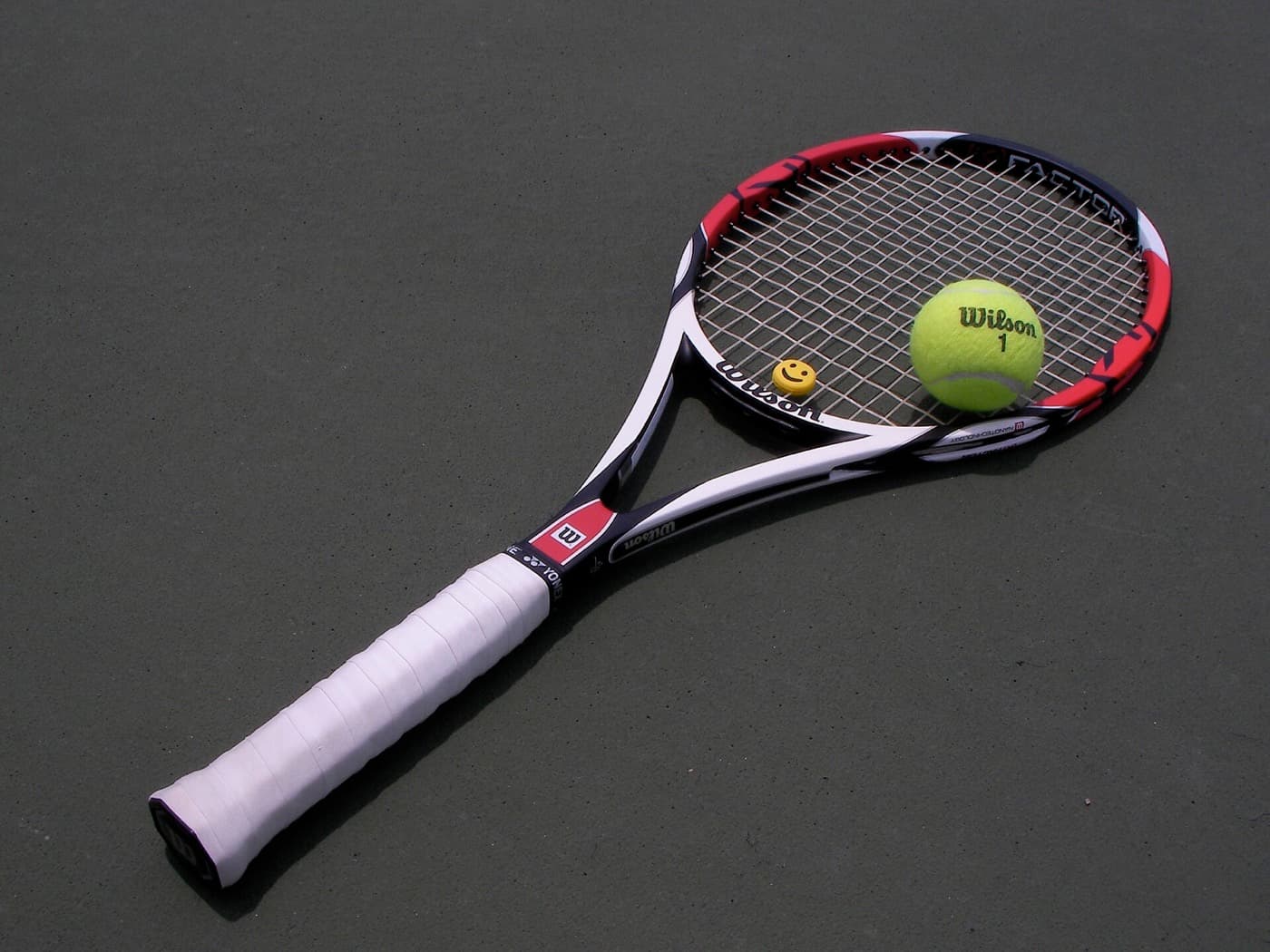
Sports that use continuous play and the time between points:
Related rules
Tennis serving rules
The rules governing how a tennis point begins, including where the server stands and where the serve must land.
Foot fault
A serving fault called when the server's foot touches the baseline or court before striking the ball.
Let
A call that stops a point and has it replayed without penalty, used across several racket sports.
Sources
The rules, dimensions and specifications on this page were read from these documents.
- ITF Rules of Tennis — International Tennis Federation, 2026, Rule 29 — Continuous play (read 2026-09-12)
How it connects
The meaning-bearing relationships that place Continuous play and the time between points in the wider knowledge graph — each one with the reason it exists.
Builds on
Understanding these first makes this one make sense.
Frequently learned together
Taught side by side in the same stage of a learning path.
- Tennis serving rulesBoth are taught in the “Get to know the game” stage of the Tennis learning path.
- Foot faultBoth are taught in the “Get to know the game” stage of the Tennis learning path.
- LetBoth are taught in the “Get to know the game” stage of the Tennis learning path.
- Touching the netBoth are taught in the “Get to know the game” stage of the Tennis learning path.
- Hindrance, lets and permanent fixturesBoth are taught in the “Get to know the game” stage of the Tennis learning path.
Explore across the knowledge base
Follow the threads that connect Continuous play and the time between points to the rest of SocialSportHub.
Scoring systems
- Tennis scoring systemsThe scoring methods the ITF Rules actually authorise — the advantage set, the tie-break set, the standard tie-break game, and the short sets and match tie-breaks in Appendix VI.
- Scoring in rugby unionThe five ways points are scored in rugby union and what each is worth — try, conversion, penalty try, penalty goal and drop goal — with the rule that surprises people about the penalty try.
- Tennis scoringTennis is scored in points, games and sets, using the distinctive 15–30–40 point sequence and a win-by-two margin at every level.
- Padel scoring and the tie-breakHow padel matches are counted — the game and set structure, the tie-break serving order, and the alternative scoring methods the FIP rules explicitly authorise.
Tactics
- Point constructionHow tennis points are built rather than won — the neutral, attacking and defensive positions, what each one permits, and why most errors come from playing the wrong shot for the position.
- Breakaway and pelotonThe cycling tension between the main pack riding together and small groups that break clear to gain time.
Learning paths
Decision making
Equipment
- What the Rules regulate about a tennis racketThe surprisingly short list of things the ITF fixes about a racket — a flat, uniform stringing pattern and no energy sources — and the two decided cases that settle what players may use.
- The padel ballThe padel ball's own specification — diameter, weight, bounce and internal pressure — and the separate altitude ball the rules provide for above 1,000 metres.
- Tennis ball types and specificationsThe four ITF ball types and what separates them — mass, size, rebound and deformation — plus the counterintuitive rule that fast balls are for slow courts.
- The table tennis ballThe 40 mm plastic ball the modern game is played with — its exact diameter, weight and colour, and the two separate rule changes that people routinely merge into one.
- Wickets, stumps and bailsThe three stumps and two bails a bowler aims at and a batter defends — their exact height, width and shape, and what the Laws say about when bails may be dispensed with.
Go deeper with Continuous play and the time between points
Everywhere else on the platform that covers Continuous play and the time between points — assembled from what actually references it, so nothing here is a dead end.
Learn it
Structured courses and paths on the platform that cover this directly.
Take it away
Open data and the whole-platform view of this subject.
How this page is maintained
- Content type
- Rule
- Provenance
- Tier A — evergreen educational
- Verified external sources
- 0
- Content updated
- 2026-09-01
Evergreen, first-party explanation — it makes no claim that needs an external source. How we handle sources and reviews.