
Screen
A move where a player legally positions their body to block or obstruct an opponent, creating space or an advantage for a teammate.
Definition
A screen is a blocking action in which one player uses their body to get in the way of an opponent so a teammate gains space or a better position. The player setting the screen usually stays still or moves legally, letting the defender run into or be delayed by them.
The exact use varies by sport, but the shared idea is creating separation for a teammate by legally impeding an opponent. Rules differ on how much contact and movement are allowed, so an illegal screen, such as moving into a defender, can be penalised.
Meaning by sport
This term is used differently across sports:
- Basketball
- A player plants their body to block a defender so a teammate can get free; also called a pick, as in the pick-and-roll.
- Ice Hockey
- An attacker stands in front of the goaltender to block their view of the shot, making it harder to stop.
- Volleyball
- The serving team is not allowed to screen, meaning they cannot hide the server or the ball's flight from the receiving team.
Where you’ll hear “screen”
Sports that use this term:
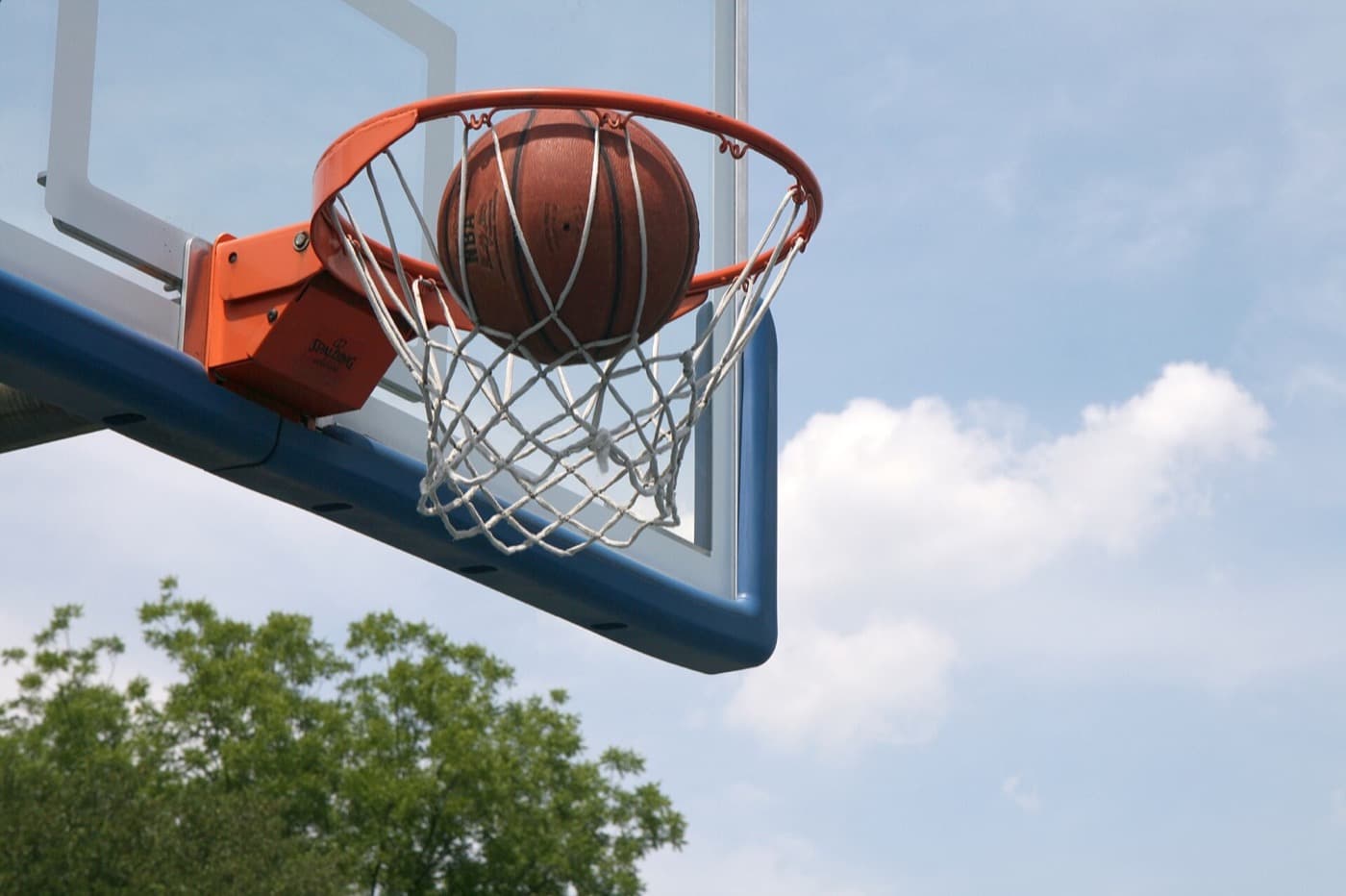
Basketball
A fast, dynamic team sport of running, jumping and quick decisions on court.
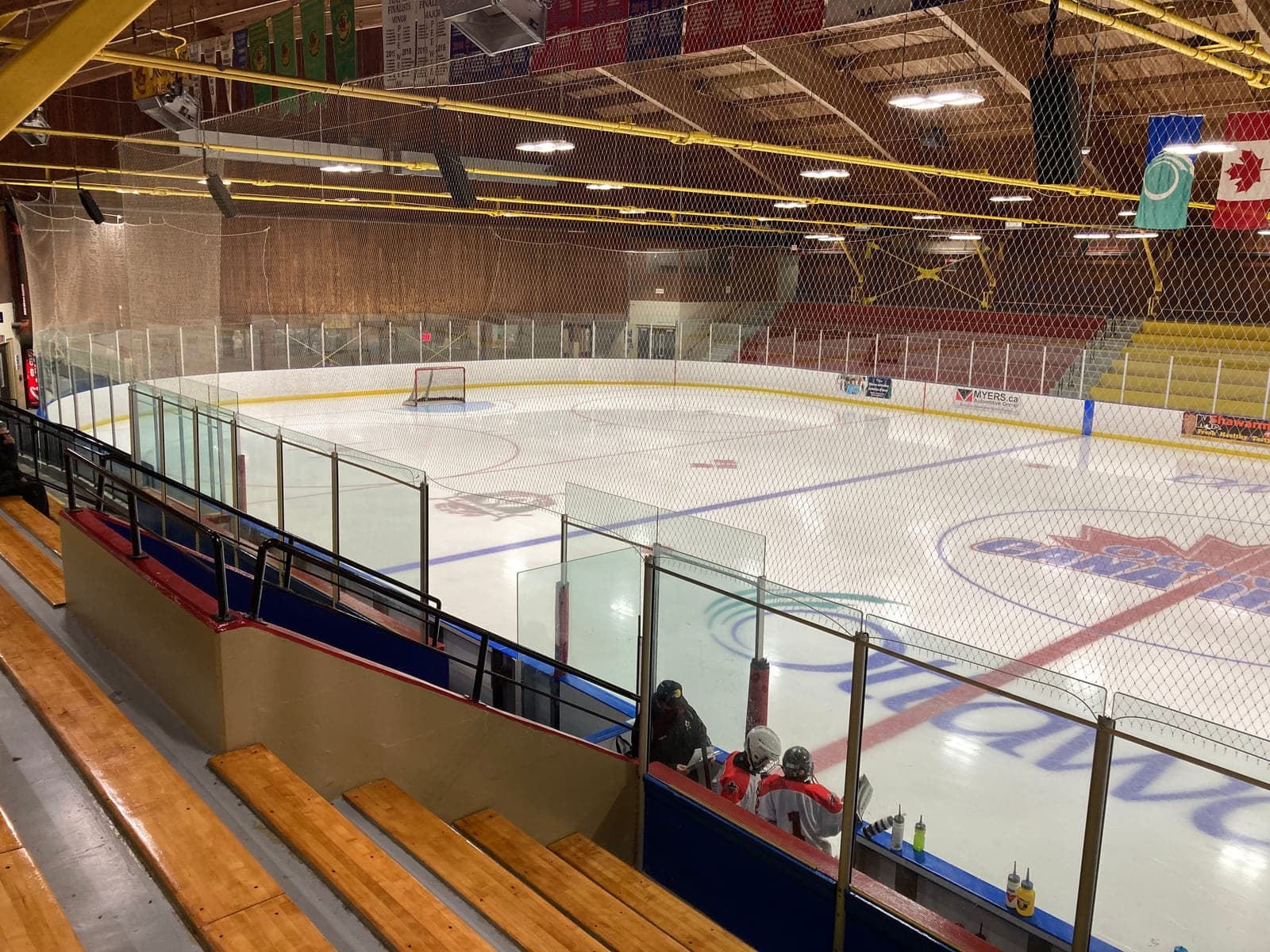
Ice Hockey
A fast team sport on ice that combines skating skill with quick passing and goal-scoring.
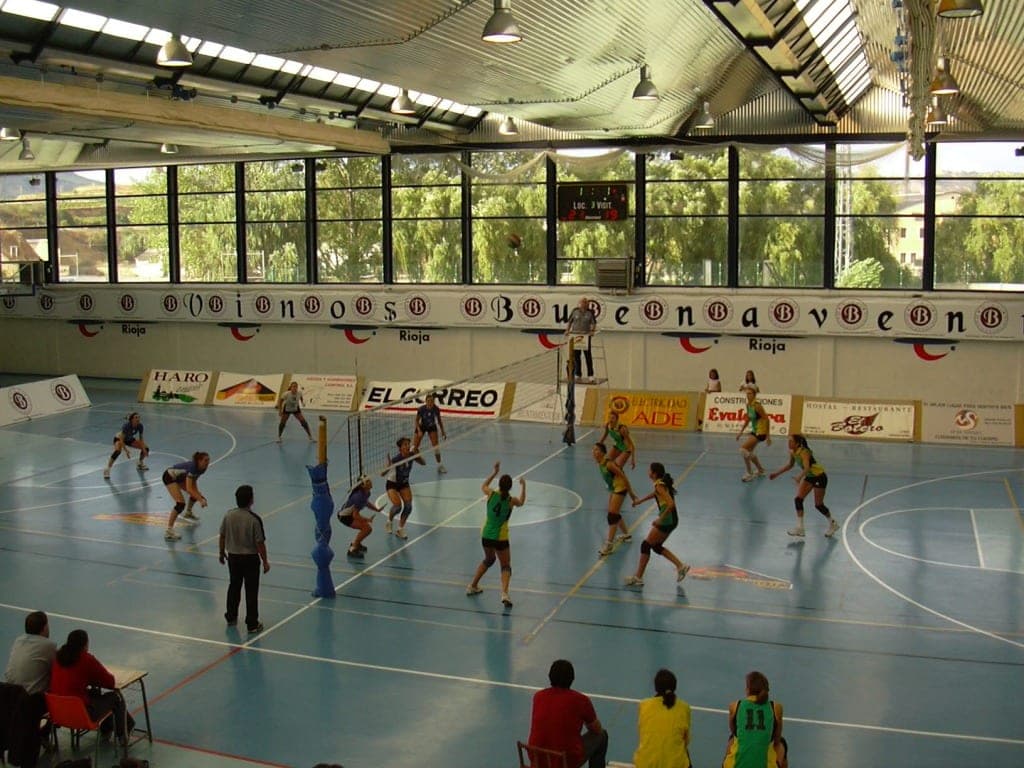
Volleyball
A non-contact team sport of rallies, jumps and teamwork — indoors or on the beach.
How it connects
The meaning-bearing relationships that place Screen in the wider knowledge graph — each one with the reason it exists.
Commonly confused with
Close enough to be mixed up — the distinction is worth knowing.
Explore across the knowledge base
Follow the threads that connect Screen to the rest of SocialSportHub.
Skills
- TacklingThe skill of legally challenging an opponent to win the ball or stop their progress.
- MarkingThe defensive skill of staying close to an opponent to limit their space and options.
- BlockingThe skill of using the hands or body to stop or slow an opponent’s attack.
- SettingThe volleyball skill of accurately placing the ball for a teammate to attack.
- Aiming and alignmentThe skill of setting the body and the implement so the shot starts on the line you intend.
Strategies
Tactics
- Zone defenceA defensive system where each player guards an area of the court rather than a specific opponent.
- Doubles formationHow a pair positions itself on court — one up, one back, or both at the net — to control space in doubles.
- Counter-attackWinning the ball and moving forward at speed to attack before the opponent can reorganise their defence.
- Serve and volleyAn attacking tennis tactic where the server follows their serve to the net to finish the point with a volley.
- Court coverage and rotationVolleyball positioning where players rotate through positions and cover the court as one coordinated unit.
Decision making
Rules
Techniques
- Volleyball SetAn overhead pass using the fingertips of both hands to place the ball accurately for a teammate to attack.
- Table tennis serve techniqueHow to serve legally and still create an advantage — generating spin within the rules, keeping the ball short, and why disguise must come from contact rather than concealment.
- Chest PassA two-handed pass thrown directly from chest height in a straight line to a teammate, the most basic pass in basketball and netball.
- The return of serveTennis's most under-coached shot — where to stand against a first and second serve, why blocking beats swinging, and what the Rules allow a returner to do.
Go deeper with Screen
Everywhere else on the platform that covers Screen — assembled from what actually references it, so nothing here is a dead end.
Take it away
Open data and the whole-platform view of this subject.
How this page is maintained
- Content type
- Term
- Provenance
- Tier A — evergreen educational
- Verified external sources
- 0
- Content updated
- 2026-09-01
Evergreen, first-party explanation — it makes no claim that needs an external source. How we handle sources and reviews.