
Traversing
The skill of moving across a snow slope rather than straight down it, holding speed steady.
Overview
Traversing means crossing a slope roughly sideways, with the skis or board angled across the fall line rather than pointing down it. It is how riders move between features, cross a steep or awkward section, and link one part of a run to another without gaining unwanted speed.
Because the slope falls away on one side, a traverse asks for the uphill edge to grip while the body stays stacked over it. That balance — weight toward the downhill ski, edges holding into the hill — is also the platform every turn starts from.
Key points
- A traverse crosses the slope, so it holds speed steady instead of building it.
- The uphill edges do the gripping; the downhill ski usually carries most of the weight.
- Traversing is how riders cross terrain that is too steep or narrow to turn on comfortably.
- It is a useful recovery move: traverse, settle, then start the next turn.
- On firm snow a traverse needs a stronger edge angle to stop the skis slipping sideways.
Where it’s used
Sports that use traversing:
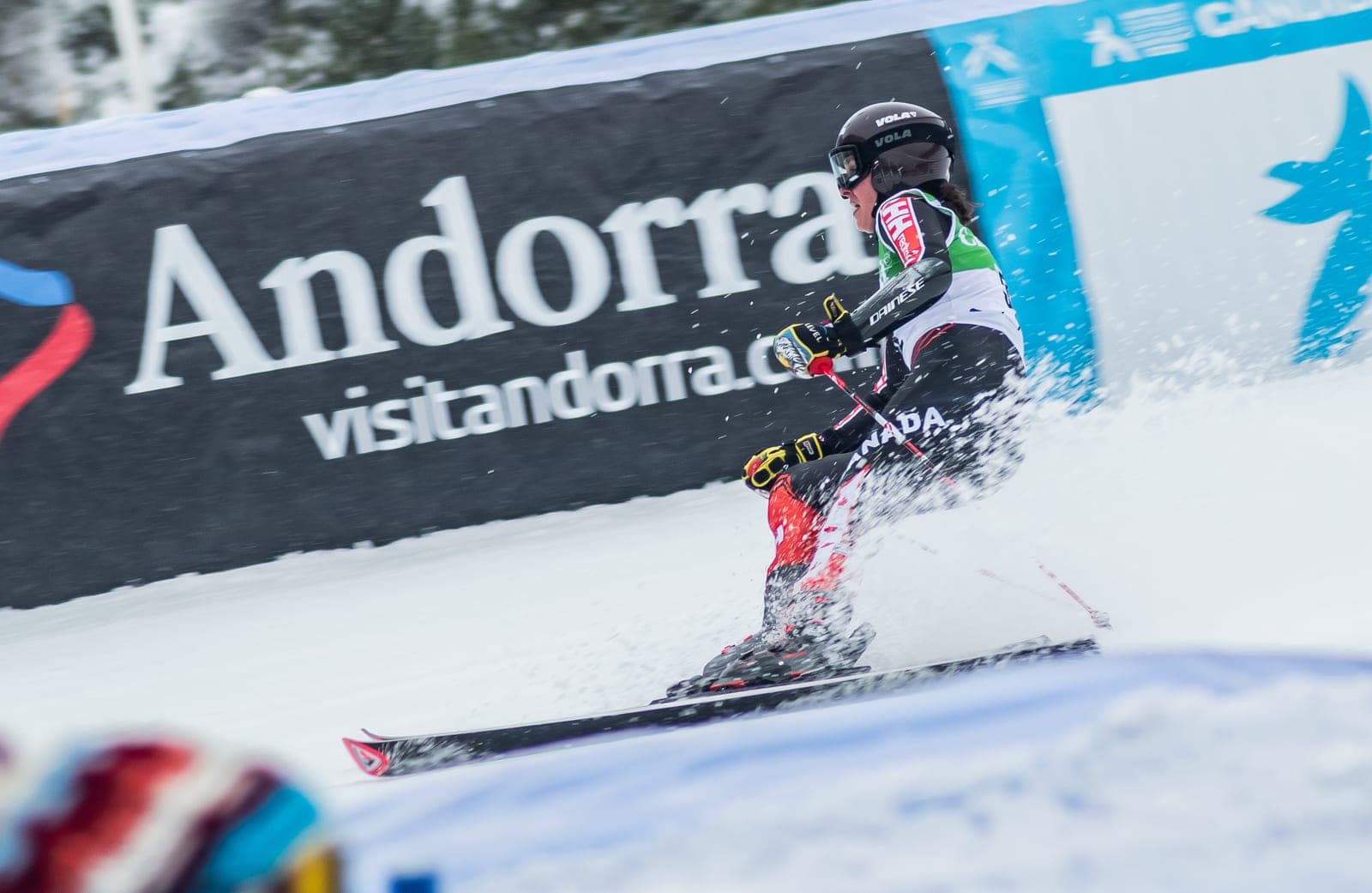
Alpine Skiing
A downhill snow sport where you glide and turn down groomed slopes on a pair of skis.
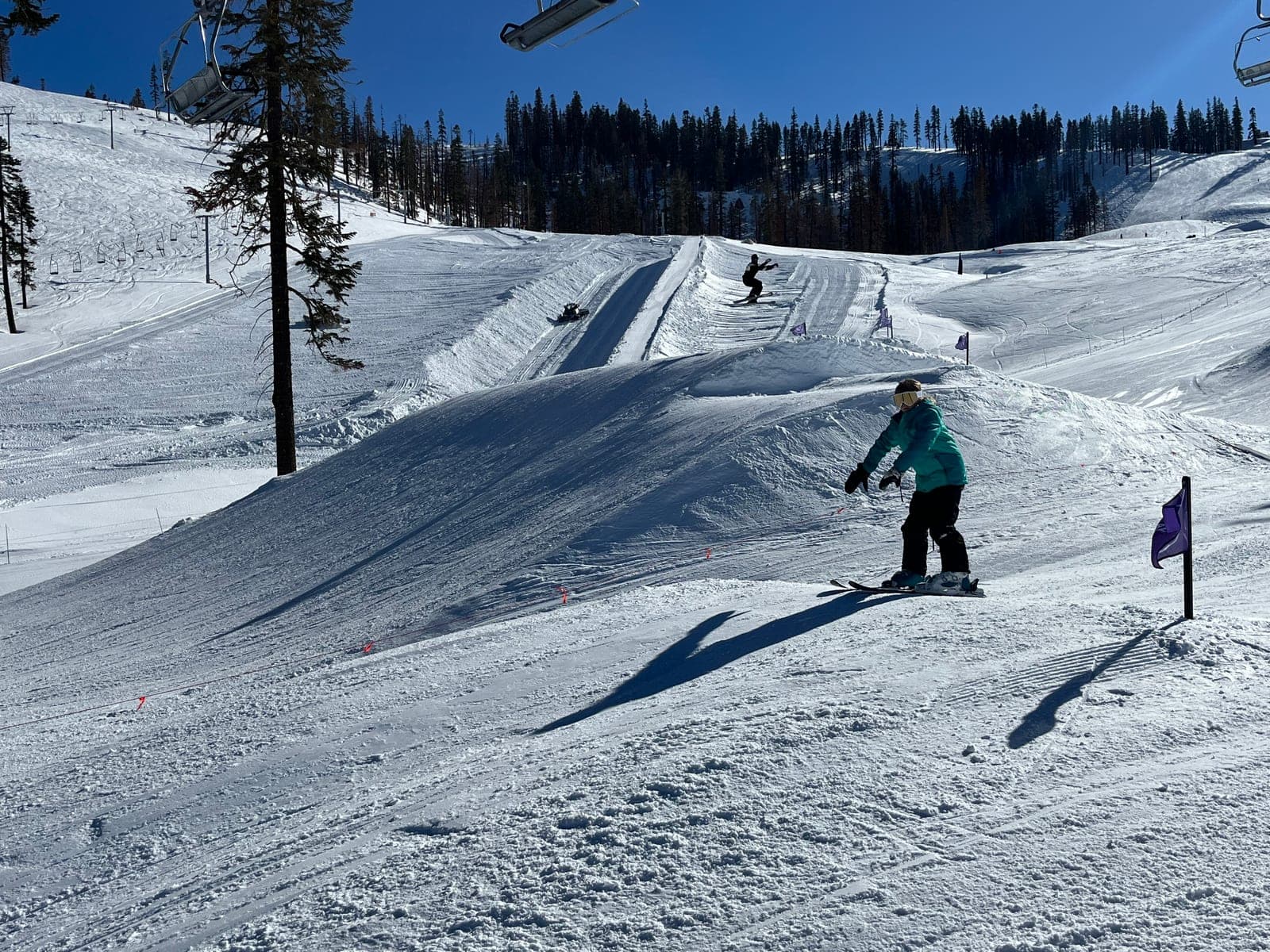
Snowboarding
A downhill snow sport where you ride a single board sideways down the mountain.
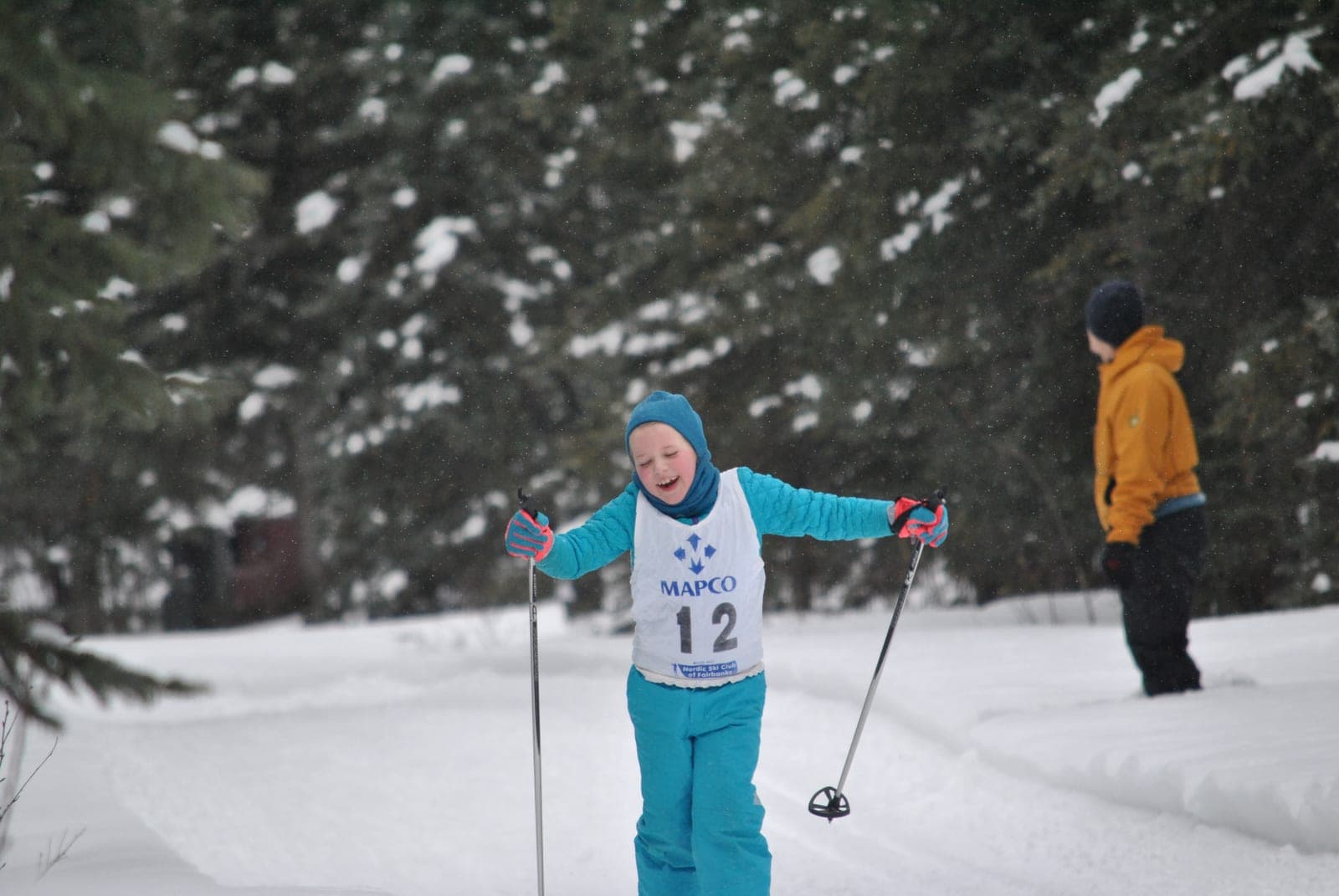
Cross-Country Skiing
A low-impact endurance snow sport where you propel yourself across flat and rolling terrain on skis.
How it connects
The meaning-bearing relationships that place Traversing in the wider knowledge graph — each one with the reason it exists.
Frequently learned together
Taught side by side in the same stage of a learning path.
Explore across the knowledge base
Follow the threads that connect Traversing to the rest of SocialSportHub.
Learning paths
Techniques
- Parallel TurnA turn in which both skis stay parallel throughout, steered together rather than wedged apart.
- The cricket driveCricket's foundational attacking stroke, played straight down the ground or through the off side — the cover, straight and on drive, and the length that makes each one available.
- Snowplough TurnThe wedge-shaped turn beginners learn first on skis, where the ski tips are brought together to control speed and steer.
- PlankA static core exercise that holds the body in a straight line supported on the forearms and toes.
- Playing the walls in padelThe skill that separates padel from every other racket sport — reading a rebound off glass, positioning behind the bounce rather than at it, and using your own back wall to attack.
Disciplines
- Skate (Freestyle)Skate skiing pushes off angled skis in a V pattern, like ice skating, on firm groomed snow — the faster of the two main techniques.
- CombinedAlpine combined blends a speed run with a slalom run, adding the times together so the result rewards all-around skiers across both ends of the spectrum.
- DownhillDownhill is alpine skiing's fastest discipline, run on long courses with widely spaced gates where skiers glide at high speed in an aerodynamic tuck.
- ClassicClassic is the original cross-country technique, with skis kept parallel in set tracks and a striding kick-and-glide motion.
- Super-GSuper-G, or super giant slalom, is a speed discipline with gates set farther apart than giant slalom, blending high speed with sweeping turns.
Go deeper with Traversing
Everywhere else on the platform that covers Traversing — assembled from what actually references it, so nothing here is a dead end.
Learn it
Structured courses and paths on the platform that cover this directly.
How this page is maintained
- Content type
- Skill
- Provenance
- Tier A — evergreen educational
- Verified external sources
- 0
- Content updated
- 2026-09-12
Evergreen, first-party explanation — it makes no claim that needs an external source. How we handle sources and reviews.