
Ball Pressure
The internal air pressure of an inflatable or pressurised ball, which governs how firm it feels and how high it bounces.
Definition
Ball pressure is the amount of air pressure held inside a ball relative to the surrounding air. In inflatable balls such as those used in football, basketball and volleyball it is set by inflating to a recommended range, while pressurised tennis balls are sealed with internal pressure that makes them lively and quick off the strings.
Higher pressure makes a ball firmer, faster and higher-bouncing, whereas low pressure makes it feel soft and sluggish. Pressurised balls slowly lose air and go 'dead', which is why tennis balls are sold in sealed cans and replaced regularly; pressureless balls avoid this by relying on the rubber itself rather than trapped air.
Scope: Each sport's governing body sets its own permitted pressure range; the values vary, so official rules should be consulted for exact requirements.
Where you’ll hear “ball pressure”
Sports that use this term:
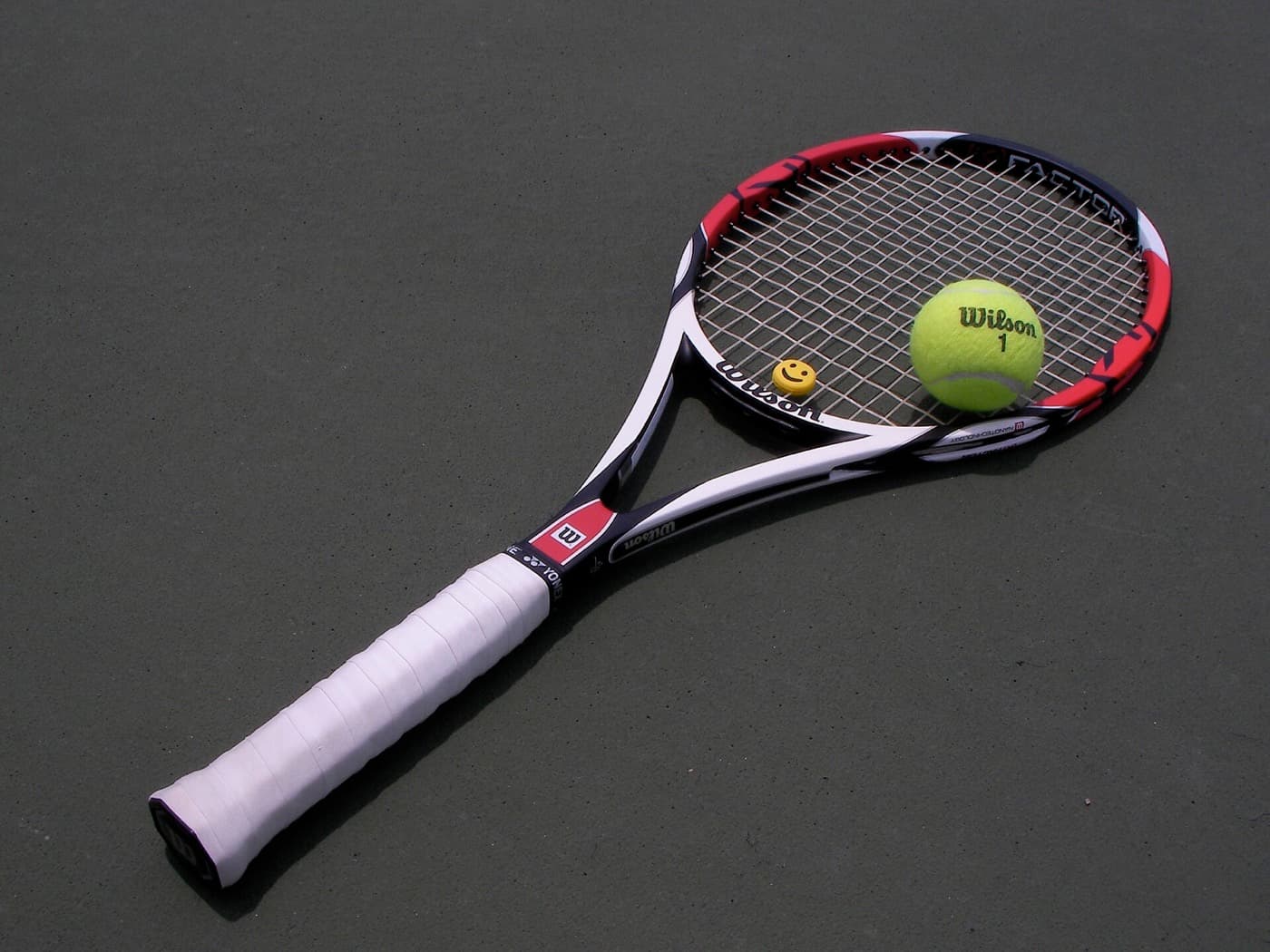
Tennis
A singles or doubles racquet sport that blends agility, strategy and stamina on court.
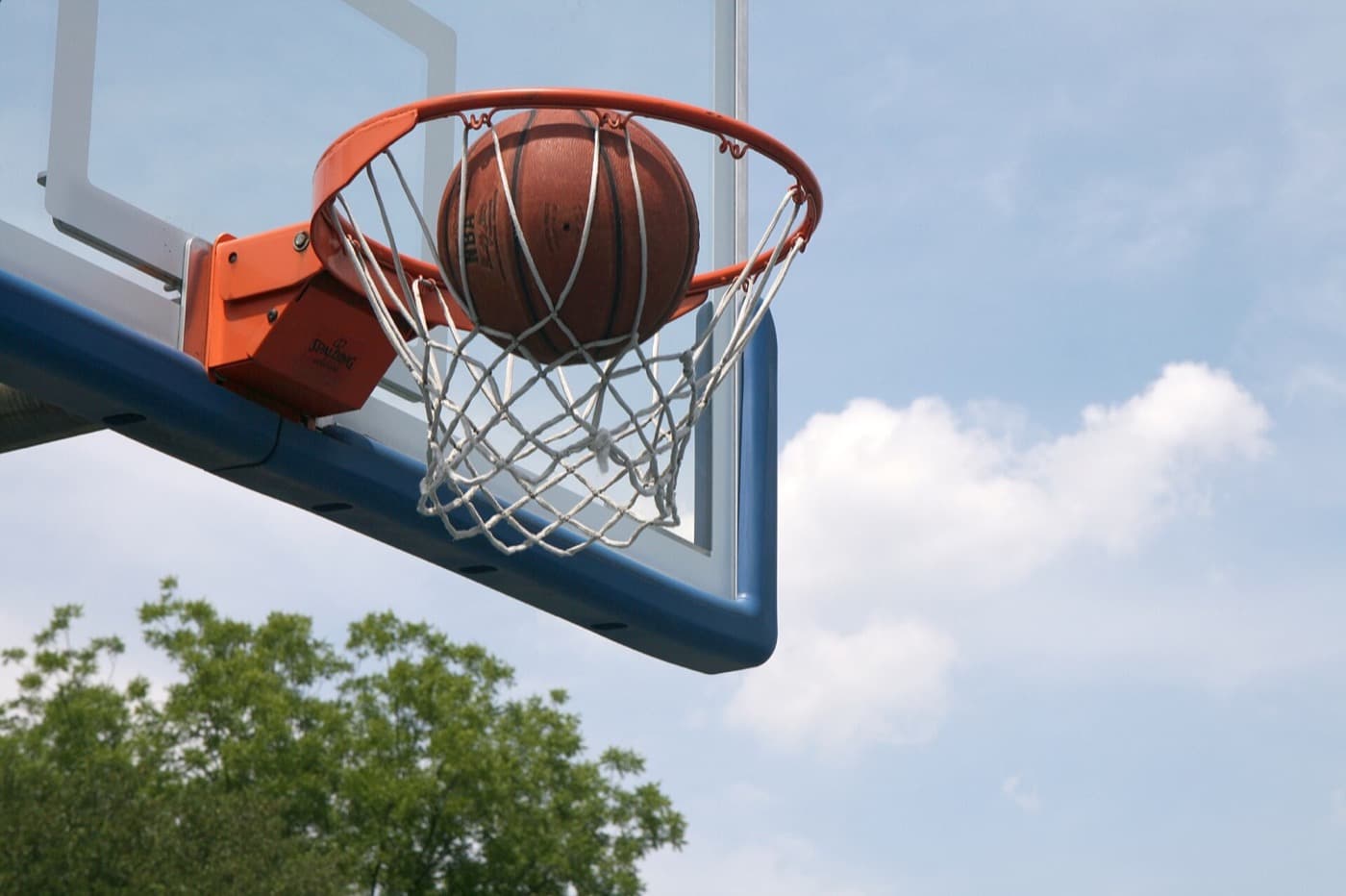
Basketball
A fast, dynamic team sport of running, jumping and quick decisions on court.

Football
The world’s most popular team sport — endless running, teamwork and community in one game.
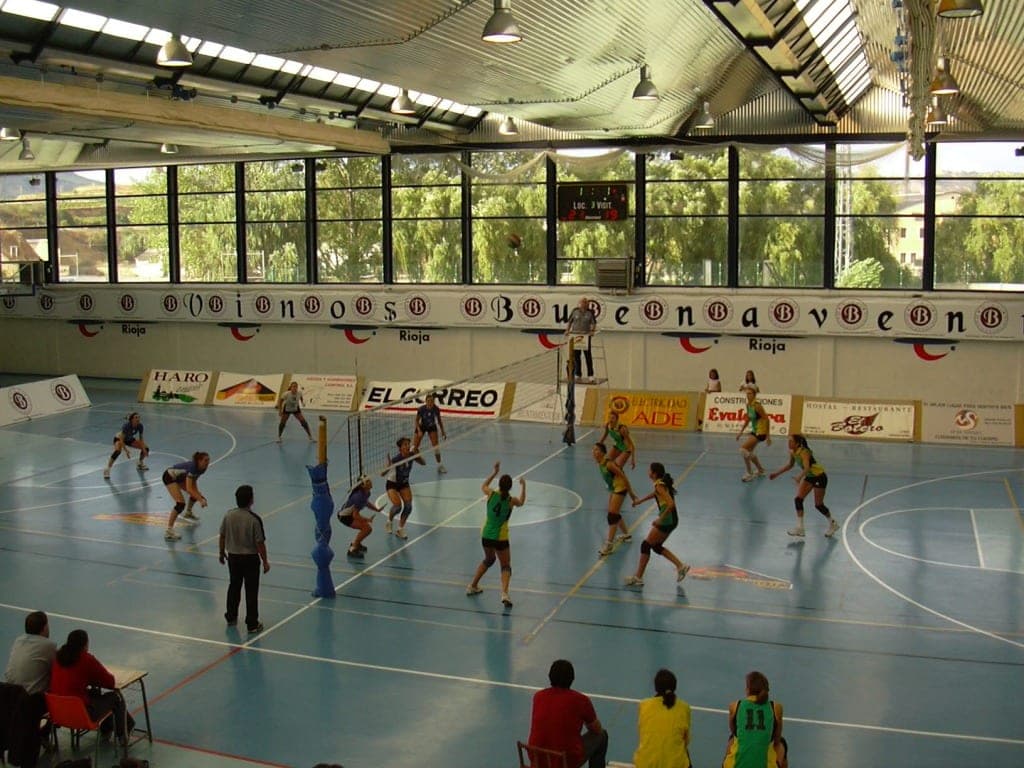
Volleyball
A non-contact team sport of rallies, jumps and teamwork — indoors or on the beach.
Explore across the knowledge base
Follow the threads that connect Ball Pressure to the rest of SocialSportHub.
Techniques
- VolleyA shot played near the net by blocking the ball out of the air before it bounces, using a short, firm punch rather than a full swing.
- Kicking in rugby unionThe kicks rugby union is played with — punt, grubber, box kick, up-and-under, drop kick and place kick — what each achieves and which law governs its use.
- Flat, slice and kick servesThe three serves and what actually separates them — the contact point on the ball and the toss that makes it possible — plus what each one does to the ball after it bounces.
- Topspin ForehandA forehand groundstroke hit with a low-to-high swing that puts forward spin on the ball so it dips and kicks up on landing.
Equipment
- The padel ballThe padel ball's own specification — diameter, weight, bounce and internal pressure — and the separate altitude ball the rules provide for above 1,000 metres.
- The rugby union ballThe oval ball that shapes how rugby union is passed and kicked — its weight, air pressure, construction and the provision that lets younger players use a smaller one.
- The table tennis net assemblyThe net, its posts and its suspension — the one height that governs both the net and the posts, and why that number appears twice in the Laws.
- Football (soccer ball)A round, inflated ball used to play association football and futsal. Futsal uses a smaller, heavier ball that bounces far less on a hard court.
- Golf ballA small, firm, dimpled ball struck with a club and played toward the hole on a golf course.
Beginner guides
- Your first running sessionA warm, honest picture of what a first running session actually feels like — so you can turn up relaxed, run at a comfortable effort, and enjoy it without any pressure to be fast.
- Your First Swimming Session: What to ExpectWhat a first swimming session at the pool actually feels like, how to prepare, and how to settle in without any pressure to swim lengths on day one.
Facilities
- Volleyball courtA rectangular court split by a high net over which two teams rally the ball, played indoors or on sand.
- Tennis court geometryEvery measurement on a tennis court and the rule that governs them all — court and service-box dimensions, line widths, the centre mark, and why measurements are taken to the outside of the lines.
Go deeper with Ball Pressure
Everywhere else on the platform that covers Ball Pressure — assembled from what actually references it, so nothing here is a dead end.
Take it away
Open data and the whole-platform view of this subject.
How this page is maintained
- Content type
- Term
- Provenance
- Tier A — evergreen educational
- Verified external sources
- 0
- Content updated
- 2026-09-01
Evergreen, first-party explanation — it makes no claim that needs an external source. How we handle sources and reviews.