
Conversion
A points-scoring attempt taken after a try or touchdown, with the exact form depending on the sport.
Definition
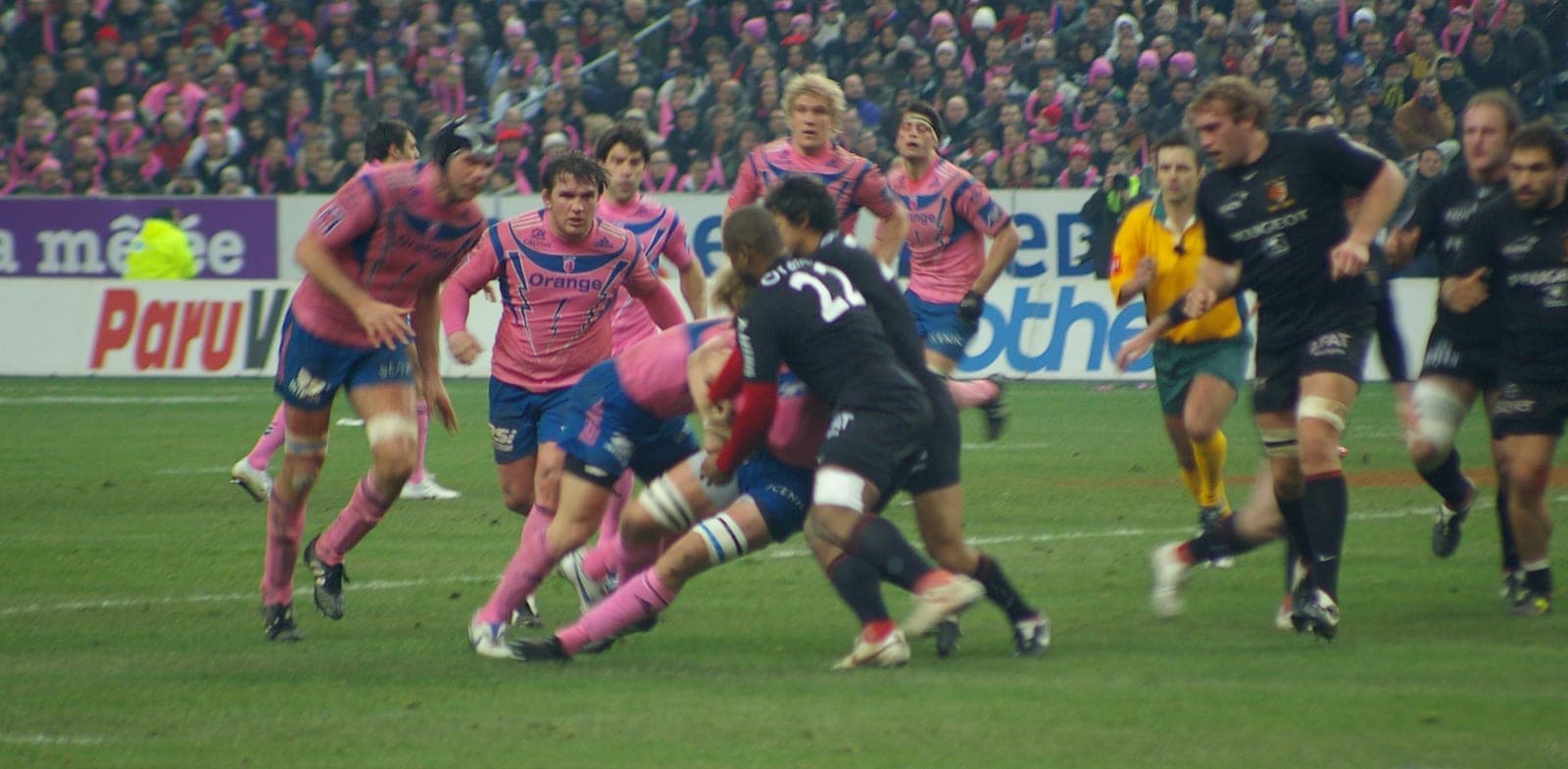
In rugby union and rugby league, a conversion is a kick at goal awarded after a team scores a try; success adds two points, and the kick is taken from a line in front of where the try was grounded, so scoring nearer the posts makes the conversion easier. Missing the conversion still leaves the try's points on the board.
In American and Canadian football, the equivalent play after a touchdown is the point-after attempt: a kick worth one point, or a "two-point conversion" run or pass from close range worth two. Although the mechanics differ between rugby and gridiron, in each case a conversion is a bonus scoring attempt that follows an earlier score rather than a standalone one.
Meaning by sport
This term is used differently across sports:
- Rugby
- A kick at goal after a try, worth two points, taken in line with where the try was scored.
- American football
- The point-after-touchdown attempt: a one-point kick or a two-point run or pass from short range.
Where you’ll hear “conversion”
Sports that use this term:
How it connects
The meaning-bearing relationships that place Conversion in the wider knowledge graph — each one with the reason it exists.
Commonly confused with
Close enough to be mixed up — the distinction is worth knowing.
Explore across the knowledge base
Follow the threads that connect Conversion to the rest of SocialSportHub.
Scoring systems
- Basketball scoringBasketball is scored by shooting the ball through the hoop, with baskets worth one, two or three points depending on where the shot is taken.
- Scoring in rugby unionThe five ways points are scored in rugby union and what each is worth — try, conversion, penalty try, penalty goal and drop goal — with the rule that surprises people about the penalty try.
- Table tennis scoringTable tennis is scored on every rally to 11 points per game, won by two clear points, over a best-of odd number of games.
- Tennis scoringTennis is scored in points, games and sets, using the distinctive 15–30–40 point sequence and a win-by-two margin at every level.
- Table tennis scoring and service orderHow games and matches are won — 11 points with a two-point margin, service changing every two points, and the expedite system that stops a game lasting forever.
Go deeper with Conversion
Everywhere else on the platform that covers Conversion — assembled from what actually references it, so nothing here is a dead end.
Take it away
Open data and the whole-platform view of this subject.
How this page is maintained
- Content type
- Term
- Provenance
- Tier A — evergreen educational
- Verified external sources
- 0
- Content updated
- 2026-09-01
Evergreen, first-party explanation — it makes no claim that needs an external source. How we handle sources and reviews.